
The Hanfu Experience: Stepping into the Living Tapestry of Ancient China
In the bustling modern metropolises and serene ancient towns of China, a captivating sight is becoming increasingly common: groups of people, young and old, gracefully moving through crowds or posing for photographs, dressed in the flowing robes, wide sleeves, and intricate silhouettes of traditional Chinese attire. This is not a historical reenactment nor a film set, but a vibrant contemporary cultural phenomenon—the Hanfu experience. More than just “trying on a costume,” engaging with Hanfu is a profound, multi-sensory journey into the aesthetics, philosophy, and living spirit of traditional Chinese civilization.
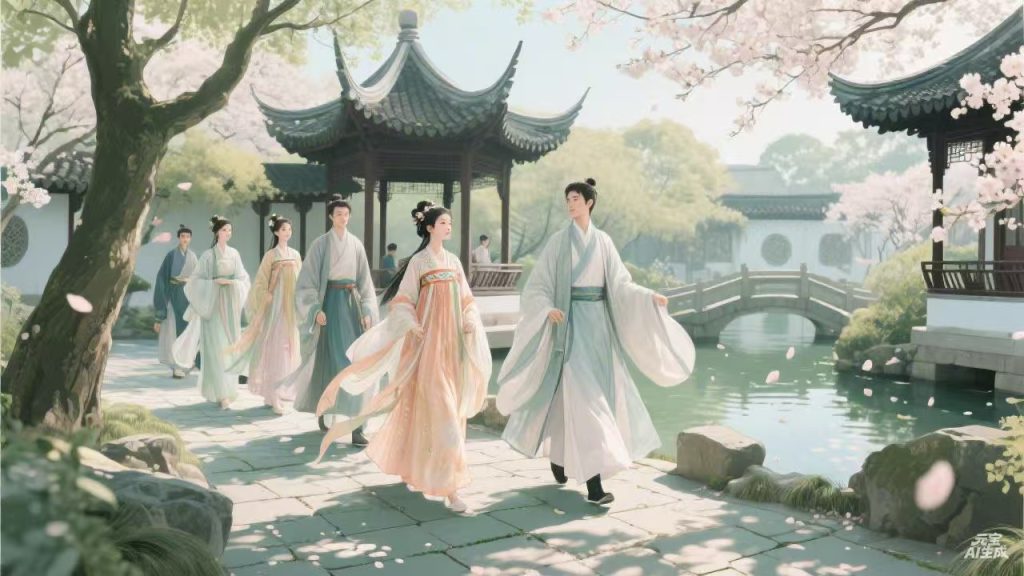
What is Hanfu? Beyond Clothing
First, it is essential to define Hanfu (汉服, literally “Han clothing”). It refers to the historical dress system of the Han Chinese people, the predominant ethnic group in China, encompassing styles that evolved across major dynasties like the Han (206 BCE–220 CE), Tang (618–907), Song (960–1279), and Ming (1368–1644). Each dynasty left its distinctive imprint, creating a stunning variety. The majestic, cross-collared Shenyi of the Han Dynasty embodies solemnity and ritual; the resplendent, open, and colorful robes of the Tang Dynasty reflect that era’s cosmopolitan confidence; the simple, elegant, and slender cuts of the Song speak of scholarly refinement; and the exquisite, detailed garments of the Ming showcase sophisticated craftsmanship. Therefore, a Hanfu experience often begins with a choice: which dynasty’s elegance do you wish to inhabit?
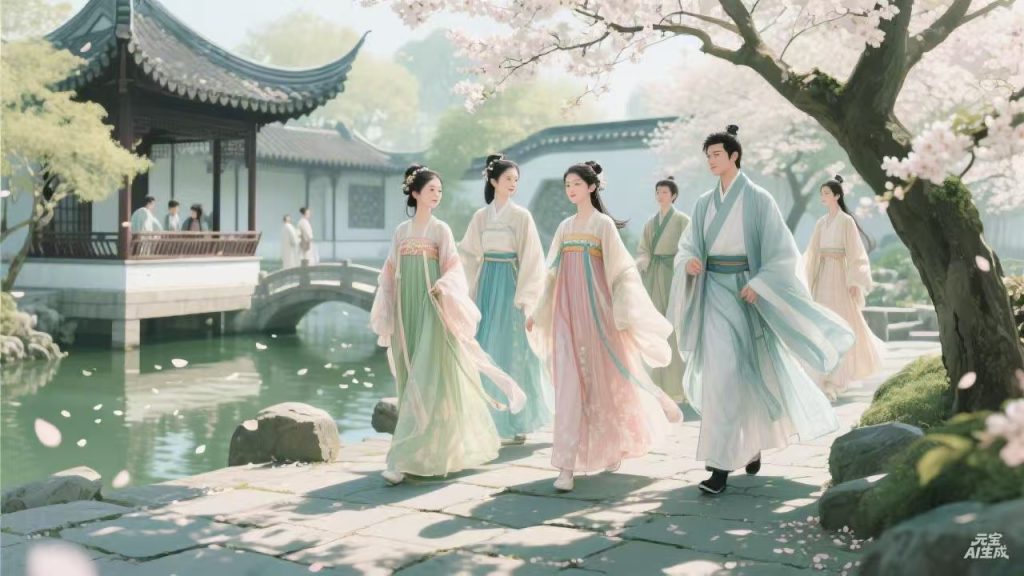
Deconstructing the Ensemble: More Than a Robe
A complete Hanfu ensemble is a harmonious system of several key components, each with cultural significance:
- Yi (衣) and Chang (裳): The upper and lower garments. The basic form, distinguishing it from one-piece robes, symbolizes the traditional cosmic concept of “heaven and earth.”
- Crossed Collar (Jiaoling Youren): The most iconic feature, where the left lapel crosses over the right. This “right-over-left” closure is deeply rooted in Confucian ritual and is a key identifier.
- Wide Sleeves (Guangxiu): More than decorative, they represent a graceful, measured way of movement and a connection to scholarly and artistic pursuits.
- Sash or Belt (Dai): Used to secure the robes, often a focal point for beauty and craftsmanship.
- Accessories: The experience is incomplete without the finishing touches. Hair is styled into traditional updos adorned with hairpins (Zan), combs (Chi), and stunning dangling step-shakes (Bujiao). Men might wear hats (Guan or Jin). Carrying a hand warmer, a folding fan, or a delicate purse further completes the transformation.
The Core of the Experience: Ritual, Aesthetics, and Identity
Putting on Hanfu is a deliberate, often ritualistic act. The process of layering the garments, carefully crossing the collar, and tying the sash forces a shift in pace and posture. The weight of the fabric, the sweep of the sleeves, and the constraint of the layered skirts naturally inspire slower, more elegant movements—a physical embodiment of the traditional virtues of grace and propriety.
This is where the experience transcends photography. Participants often engage in complementary cultural activities while dressed. They might practice calligraphy, feeling the brush’s movement mirrored in their sleeves; play the guqin (zither); partake in a traditional tea ceremony with meticulous gestures; or simply stroll through a classical garden, feeling a tangible connection to the poets and scholars who once wandered similar paths. During festivals like the Lunar New Year, Lantern Festival, or Mid-Autumn Festival, Hanfu-clad gatherings for poetry recitals, moon-viewing, or flower appreciation are particularly magical, creating a living tableau of ancient life.
The Modern Hanfu Revival Movement
The contemporary Hanfu experience is directly fueled by a grassroots cultural revival movement, primarily led by young Chinese. Beginning in the early 2000s, it has grown from a niche hobby into a mainstream trend with millions of enthusiasts. For them, wearing Hanfu is an act of cultural rediscovery, pride, and identity—a way to reconnect with a perceived aesthetic and philosophical heritage that was marginalized during much of the 20th century. Social media platforms are filled with tutorials, historical references, and stunning photos, creating a global community. “Hanfu culture” is now a significant commercial and creative industry, with dedicated designers, stylists, photographers, and experience shops.
How to Have the Hanfu Experience
For travelers and enthusiasts, accessing this world has never been easier:
- Rental Studios & Experience Shops: Ubiquitous in tourist areas like Beijing’s Hutongs, Xi’an’s Muslim Quarter, or Suzhou’s classical gardens, these shops offer complete packages. Knowledgeable staff help you select a style, assist with the complex dressing process, provide accessories, and style your hair. They often have in-house photography studios with classical backdrops or can recommend nearby photogenic locations.
- Professional Photoshoots: Many opt for a dedicated “Hanfu photoshoot” with a photographer and stylist team. Sessions take place at historical sites—imperial palaces, pagodas, bamboo forests, or lotus ponds—resulting in breathtaking portraits that look like paintings come to life.
- Hanfu Community Events: Joining a local or online Hanfu society can provide opportunities for group outings, cultural workshops, and festival celebrations, offering a deeper, more communal immersion.
- Purchasing Your Own: For serious enthusiasts, purchasing a custom-made set from one of the countless online retailers allows for personalization and a more intimate connection to the garment.
A Living Dialogue Between Past and Present
Ultimately, the Hanfu experience is not about escapism or mere cosplay. It is a dynamic, personal, and often deeply emotional form of cultural engagement. It allows individuals to physically interact with history, to understand the Confucian ideals of harmony and ritual through the very clothes that embodied them, and to appreciate the profound aesthetic principles of balance, symbolism, and natural elegance.
As you walk along an ancient city wall or sit by a koi pond in a full Hanfu ensemble, you become part of a living continuum. You are not just observing history; you are, for a moment, inhabiting its rhythms, its gestures, and its sublime beauty. The Hanfu experience is a testament to the enduring power of cultural memory and a beautiful, wearable invitation to feel the heartbeat of ancient China in the modern world. It is an unforgettable way to not just see China, but to feel it, one graceful sleeve at a time.
This is a test message.