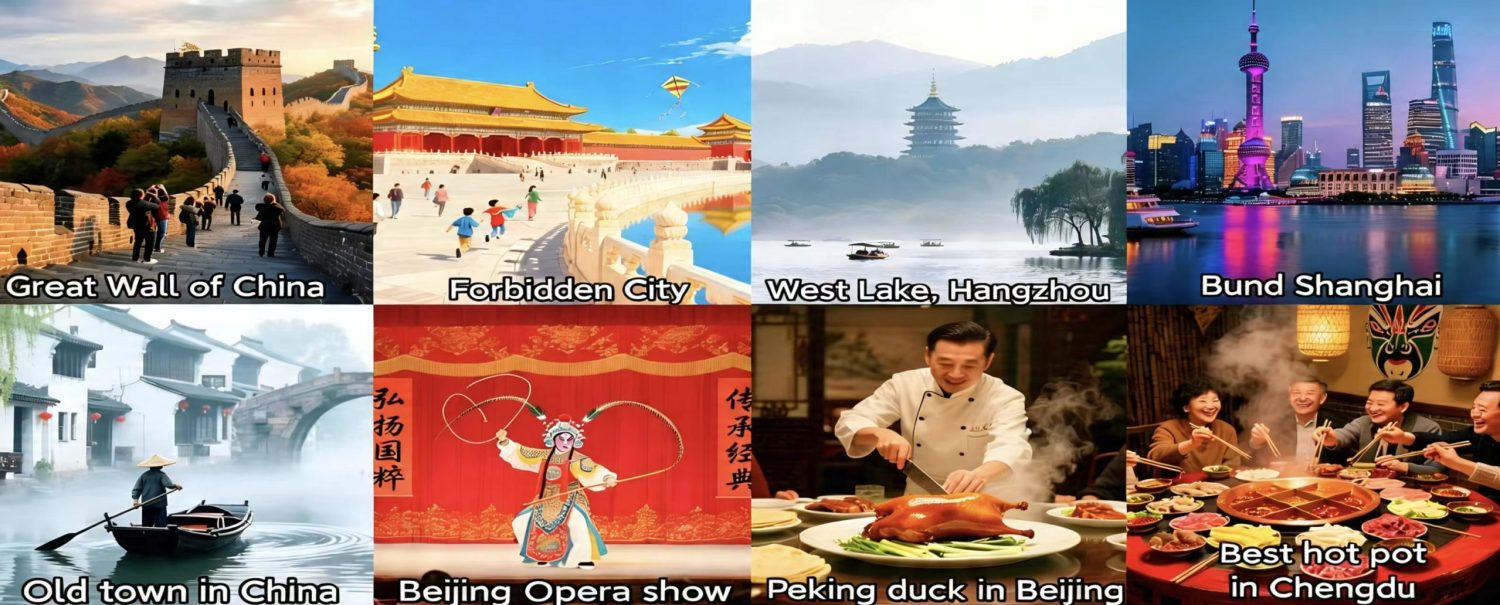
Chinese cuisine isn’t one single thing—it’s eight major cooking traditions stitched together by chopsticks, deep-fried oil, and a few thousand years of argument over how to cut a carrot. If you’ve only tasted pad see ew or chop suey, you’ve barely scratched the surface of what this food culture actually is.
What flavors define Chinese cuisine

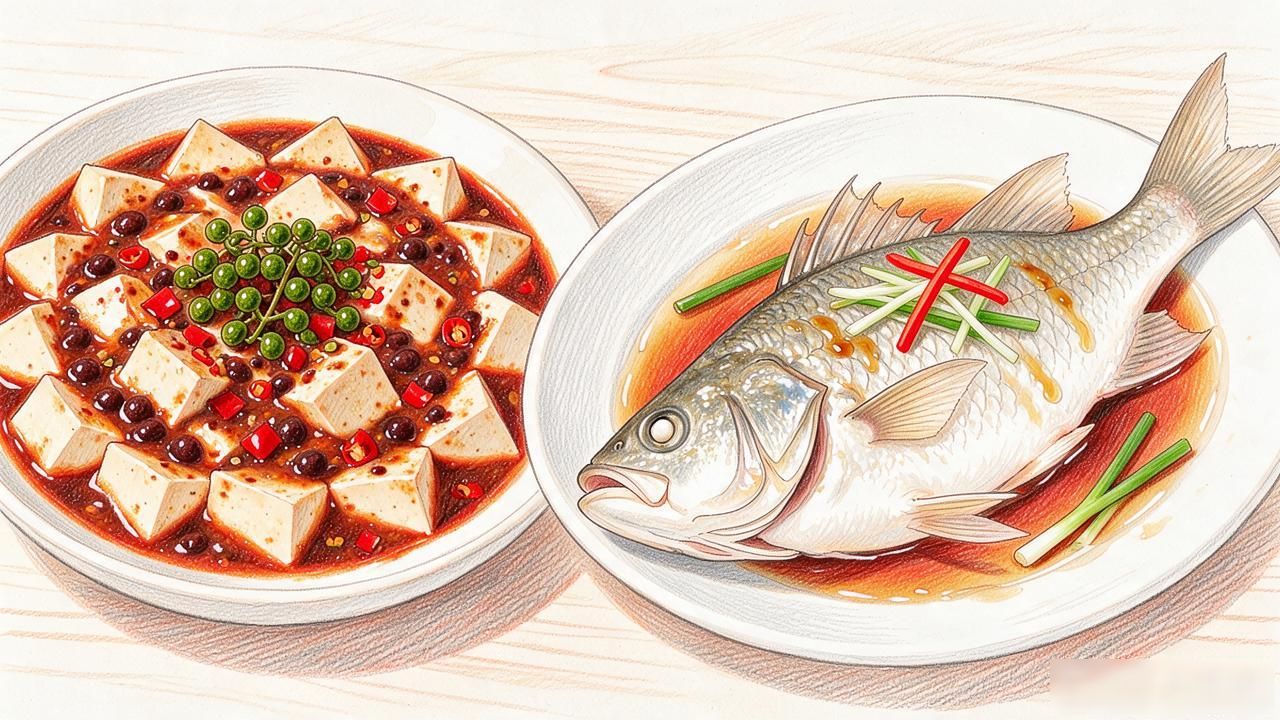
The taste map of China is wildly uneven. In Sichuan, a single plate of mapo tofu can pack numbing peppercorns, fermented bean paste, and chilies that make your tongue tingle for an hour or more. Walk a few hundred miles south to Canton, and the same kitchen might serve a steamed sea bass so delicate the chef seasons it with barely a whisper of soy and shredded ginger. Umami runs deeper here than most Western palates expect—dried shrimp, black beans, aged soy paste, roast duck stock. It’s the quiet backbone of nearly every bowl of congee, every pot of braised short ribs, every plate of stir-fried vegetables that arrives with a clean, bright finish. There’s also wok hei—that smoky, almost charred breath you get when a chef flashes garlic and scallion through a screaming-hot wok. You can’t really replicate it at home, and that’s part of why the experience sticks.
A practical tip: when a menu says “Kung Pao,” don’t assume it’s sweet and sour. The real dish leans into dried chili flakes, roasted peanuts, a hit of Shaoxing wine, and just enough sugar to round out the heat.
How Chinese cuisine differs by region
Northern provinces run on wheat. Thick hand-pulled noodles, pan-fried scallion buns, dumplings stuffed with pork and chive—bread is the real star up there, baked in clay ovens or boiled in rolling pots. Down in the Yangtze delta, rice takes over and the palate shifts toward sweetness and clarity: osmanthus sugar draped over steamed pork, tiny shrimp dumplings, a broth so clear it’s almost transparent.
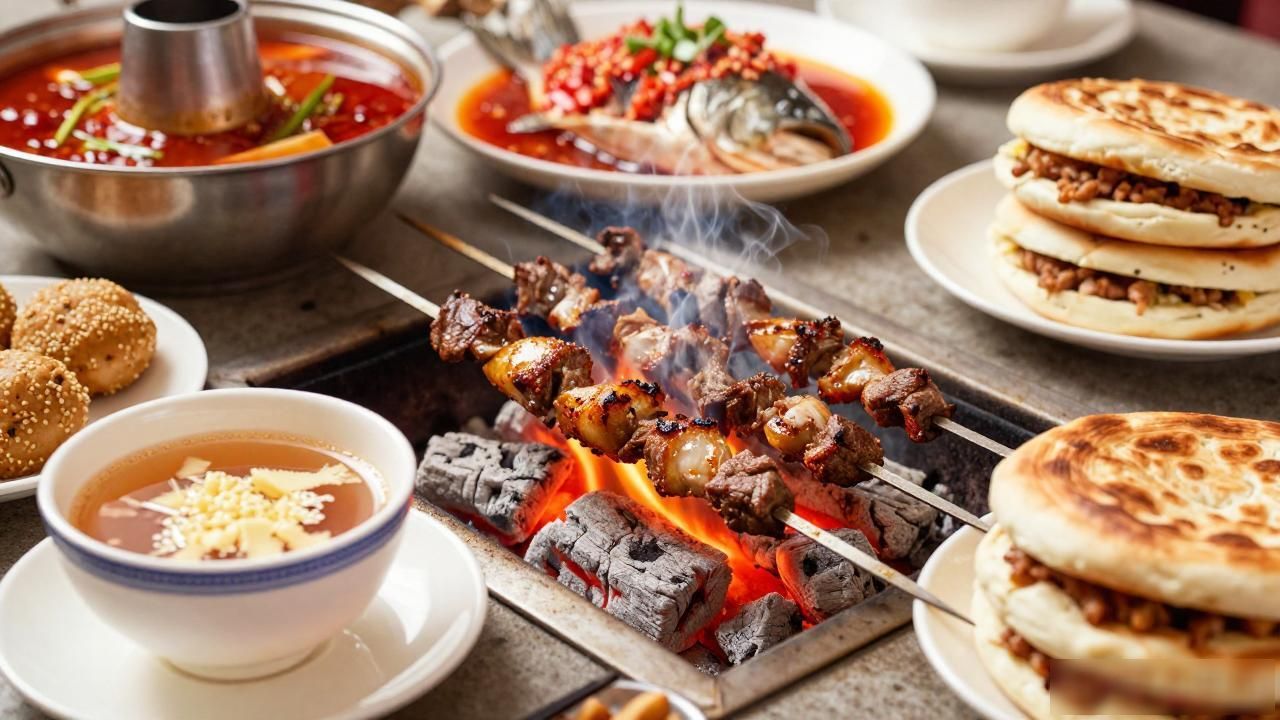
The western plateau offers something else entirely. Lamb skewers over open coals, yak butter tea, flat dough breads slit with a knife and pressed against hot stone. No two provinces will plate the same “chicken dish” alike, and that’s where the real fun of Chinese cuisine lives.
You don’t need a round-trip flight to explore this depth. A good neighborhood restaurant, a weekend farmers-market stall, even a decent carton of soy sauce and a knob of fresh ginger will open up more of this world than any recipe video ever could.