
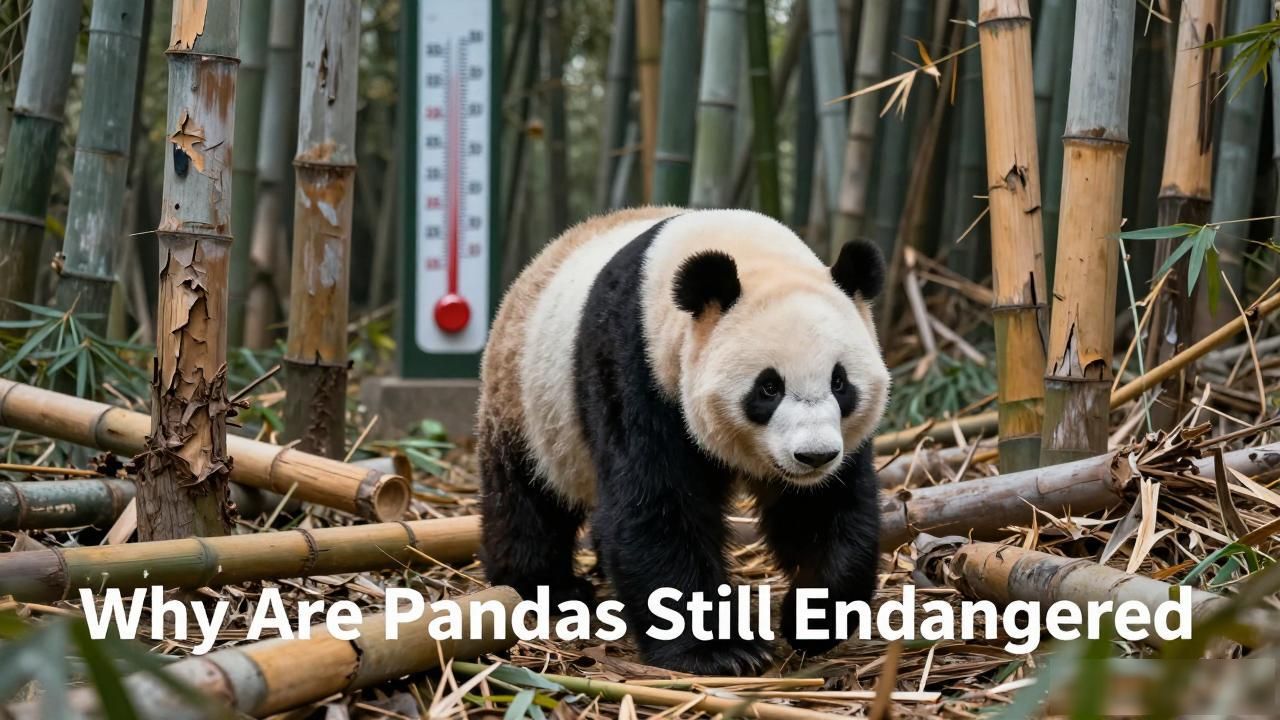
I spent two years documenting the bamboo forests of Sichuan. The giant panda is a global icon, but its survival story is far from the cuddly mascot seen in zoos. It is a complex battle against habitat fragmentation and demographic decline. While numbers have ticked up on paper, the wild population remains fragile. This article cuts through the marketing to examine the gritty reality of what it takes to keep these animals alive in their natural range.
How does climate change hurt pandas
The warming planet is shrinking the narrow band of altitudes where pandas thrive. Bamboo is not just food; it is their entire ecological niche. When temperatures rise, the critical zone pushes higher up the mountain slope. Eventually, the panda reaches the tree line. There is nowhere left to go. This vertical compression creates isolated pockets of habitat. The animals are trapped on mountain tops, unable to migrate to cooler, more suitable regions.

Scientific models predict a significant loss of viable habitat by 2050. This isn’t just theory. We are seeing shifts in vegetation zones now. The bamboo species they depend on are highly sensitive to temperature swings. A single bad season can wipe out a grove. When the food source vanishes, the panda has no alternative. They are specialists, not generalists. This specialization is a survival strategy, but it becomes a fatal flaw in a changing climate.
Conservation efforts often focus on protecting current reserves. This approach is reactive. It does not address the future shrinkage of the range. We need to manage entire mountain ranges, not just patches of forest. Creating ecological corridors is essential. These corridors must account for future climate shifts. If we only protect where pandas are today, we may fail to secure them for tomorrow. The landscape itself must be allowed to move.
Why do people still hunt them
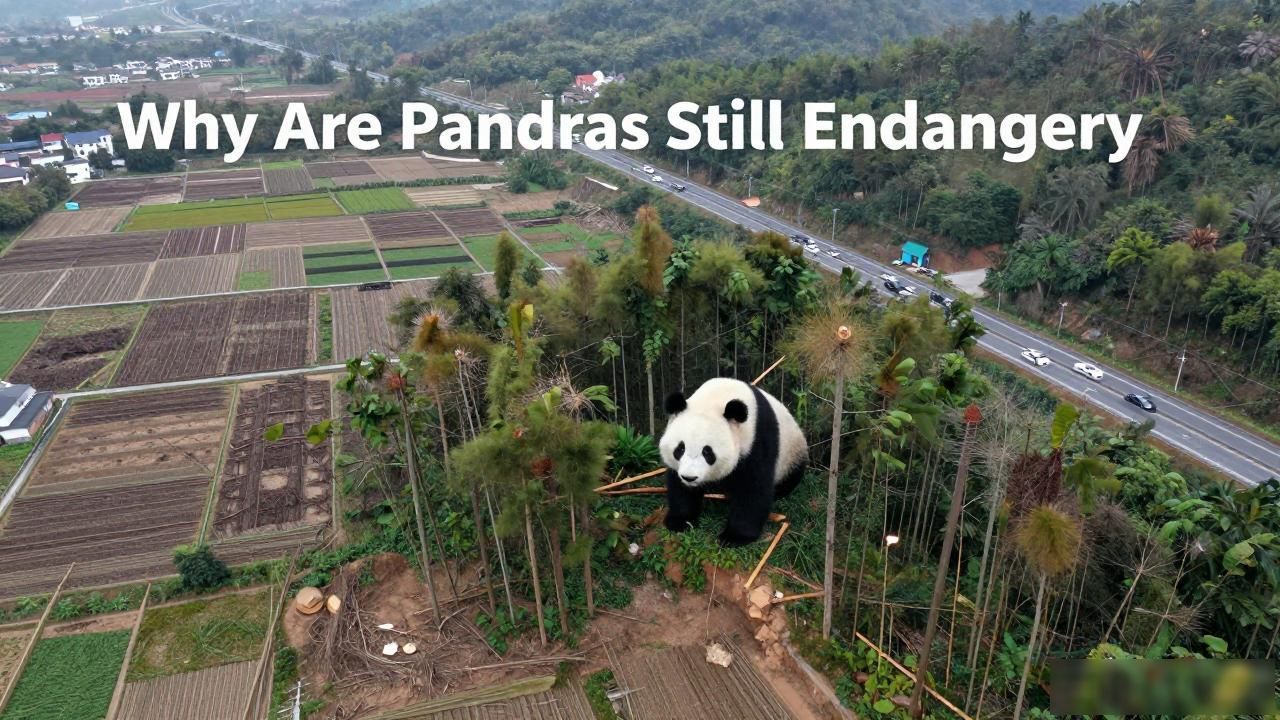
Poaching is no longer the primary threat. The biggest danger is human encroachment. Farmers expand their fields into lower elevations. Roads cut through the forest. These structures act as barriers. A panda cannot cross a highway. It cannot navigate through a village. It stays in the forest patch it is in.
This fragmentation isolates gene pools. Small, isolated groups suffer from inbreeding. Their genetic diversity drops. Weak immunity and lower reproductive success follow. A panda that looks healthy may carry harmful genetic mutations. This hidden debt makes the species vulnerable. One disease outbreak can wipe out a local population. The animals need space to move. They need to find mates from other groups.
Local communities are key. Poaching has declined drastically due to strict laws and economic incentives. People now earn more from eco-tourism and conservation jobs. The conflict shifts from hunting to land use. Farmers don’t kill pandas, but they do clear their land. Compensation schemes for crop damage are necessary. If a panda destroys a garden, the owner must be paid. This reduces the incentive for active harm. Peace must be bought with fairness.
What can tourists help with
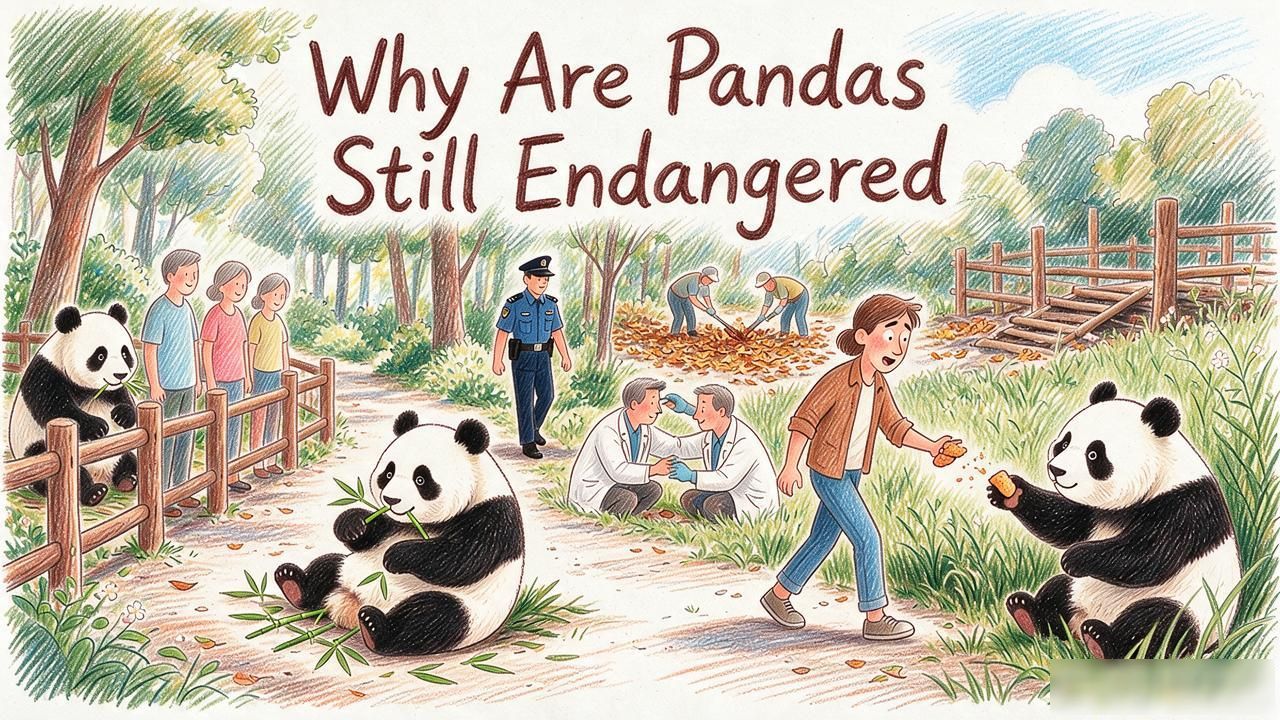
Visitors are not just observers. They are the economic engine behind protection. Money spent on rangers, veterinary care, and habitat restoration comes from tourism. But careless tourism causes harm. Off-trail walking damages soil and bamboo. Feeding wild animals is strictly forbidden. It disrupts their natural foraging behaviors. It makes them dependent on humans.
Supporting certified conservation centers is better than zoos. These centers focus on wild reintroduction. Your ticket price builds the infrastructure. It funds the monitoring of wild populations. It pays for the satellite tracking tags. It supports the community development projects that keep people out of the forest.
Be an active participant. Choose local guides. Buy products from community cooperatives. Ensure your money stays in the region. Your presence validates the cost of protection. Without economic support,conservation is just a nice idea. With it, it is a viable business model. The panda lives because we value it enough to pay for its safety.