
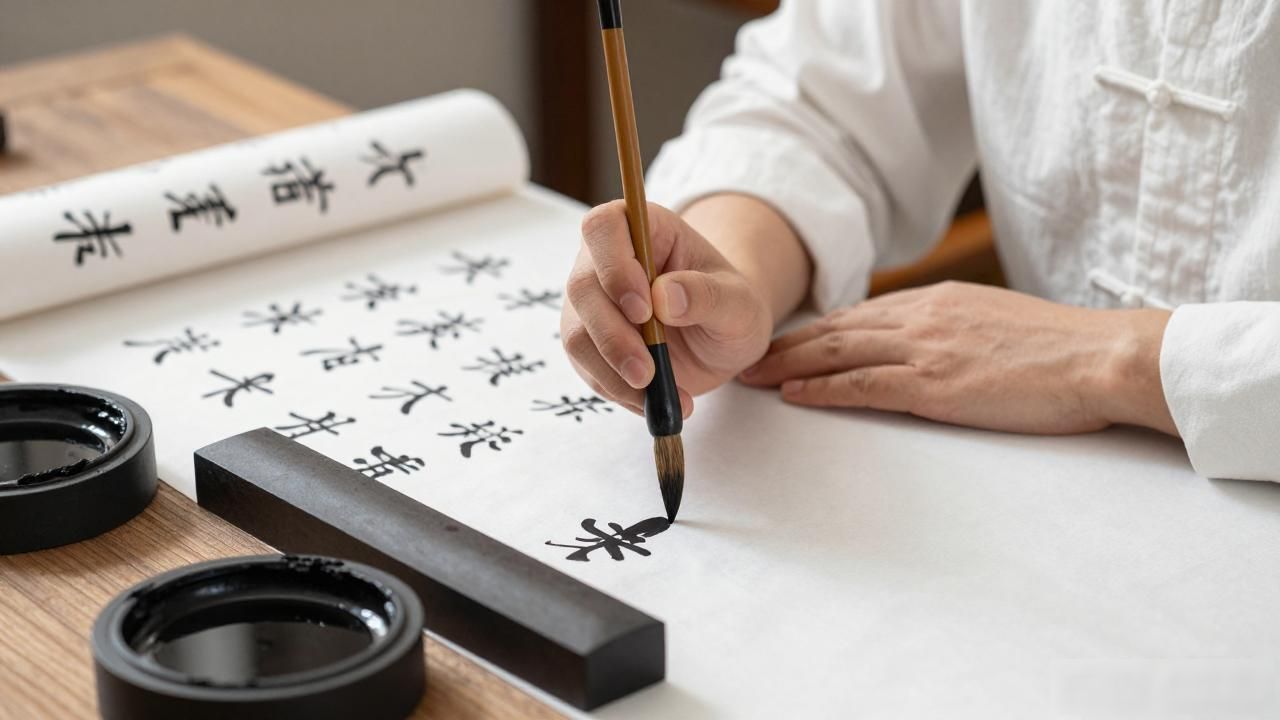
Chinese calligraphy brushes are far more than simple writing tools—they are extensions of the artist’s hand and mind. Unlike Western paintbrushes, these brushes carry thousands of years of cultural heritage. Understanding what makes a quality brush,how to choose one, and how to care for it is essential for anyone looking to explore this beautiful art form. Whether you are a complete beginner or an experienced calligrapher seeking new tools, this guide will help you make informed decisions.
What Makes a Good Chinese Calligraphy Brush
The quality of a Chinese calligraphy brush depends on several factors that separate exceptional tools from ordinary ones. Four key qualities define a good brush: resilience, tip sharpness, uniformity, and smoothness. Resilience refers to the brush’s ability to return to its original shape after being pressed against paper. A resilient brush gives you control over stroke thickness and direction.

Tip sharpness is equally important. When you gather the bristles together, they should form a fine point. This point allows for precise strokes, especially in smaller script styles like regular script and running script. Uniformity means the bristles should have consistent length and thickness throughout. A uneven brush will produce unpredictable marks.
The hair material also matters significantly. Rabbit hair produces stiffer brushes ideal for structured scripts. Sheep wool creates softer, more absorbent brushes suited for expressive cursive styles. Many modern brushes blend both materials to achieve balanced performance.
How to Choose a Chinese Calligraphy Brush for Your Style
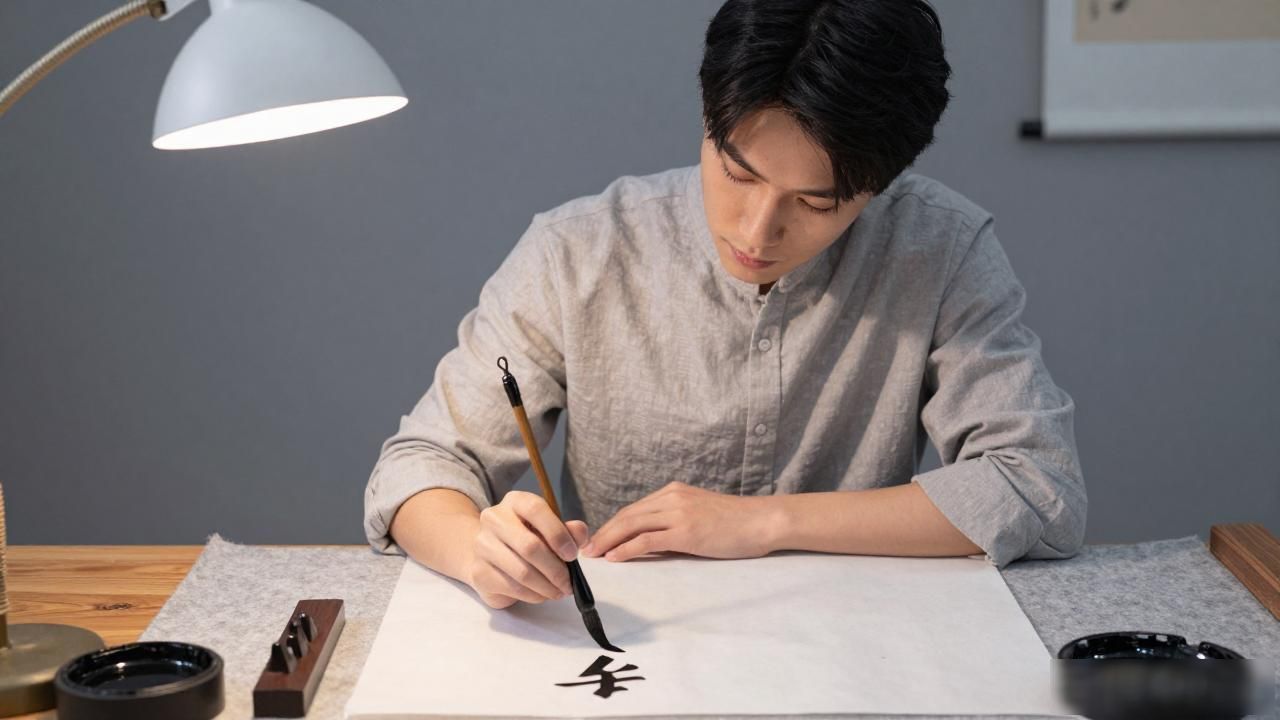
Different calligraphy styles demand different brush characteristics. If you practice regular script, which emphasizes clean lines and proper proportions, a brush with moderate stiffness works best. The bristles should hold their shape well while still allowing some flexibility for subtle curves.
For running script or cursive calligraphy, a softer brush with greater absorbency lets the ink flow more freely. These styles embrace spontaneity and fluidity, so the brush should respond quickly to changes in pressure and speed. A large wool brush excels here, creating dramatic variations between thick and thin strokes.
Brush size is another crucial consideration. Larger brushes produce bolder, more expansive strokes, while smaller brushes suit delicate detail work. Beginners often start with medium-sized brushes around two to three inches long. This size offers versatility without overwhelming the hand. As your skills develop, you can expand your collection to include various sizes for different purposes.
Proper Care and Maintenance of Your Brushes
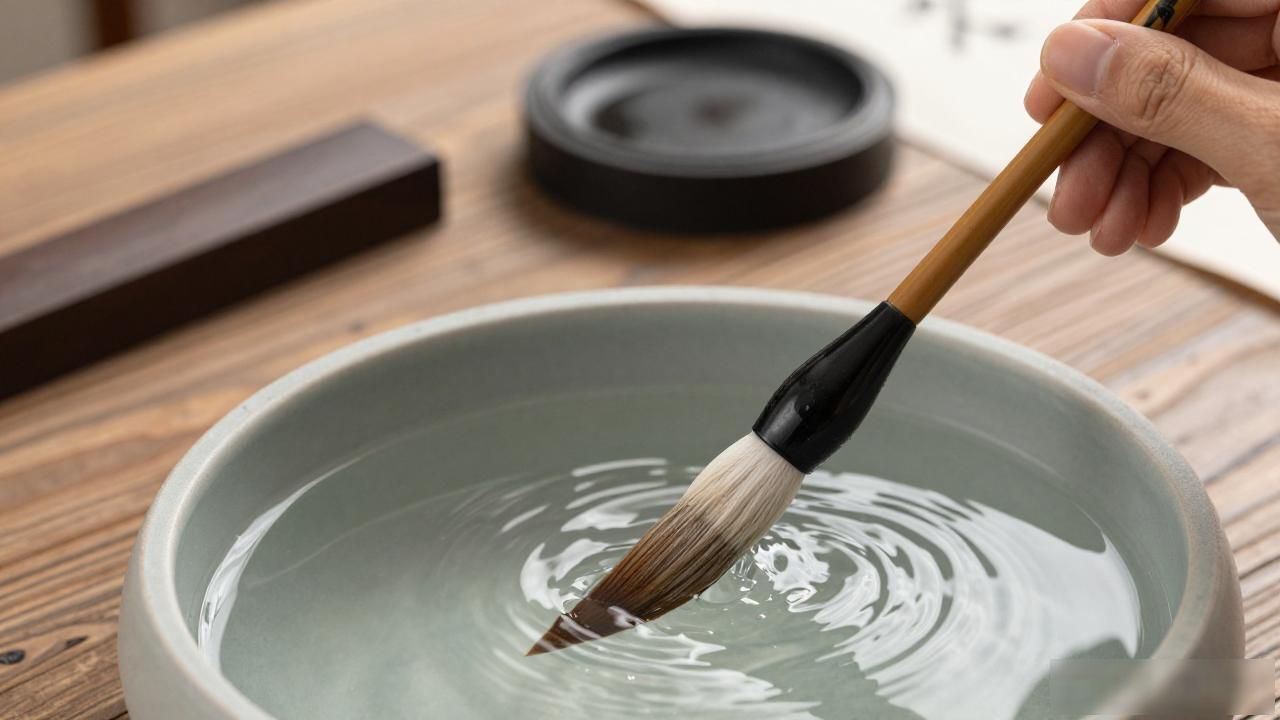
Taking care of your Chinese calligraphy brush ensures it lasts for years and maintains its performance. After each writing session, rinse the brush thoroughly under lukewarm water until the water runs clear. Never let dried ink remain inside the bristles, as this damages the hair permanently.
Once cleaned, reshape the tip gently with your fingers and lay the brush flat to dry. Do not stand it upright in a cup, as water settling at the base can loosen the glue holding the bristles. Some calligraphers prefer to hang brushes horizontally or place them on a dedicated brush rest.
Store your brushes in a dry, ventilated area away from direct sunlight. Protect them from dust with a brush cover or stored in a proper container. Regular maintenance transforms a good brush into a reliable companion throughout your calligraphy journey.