
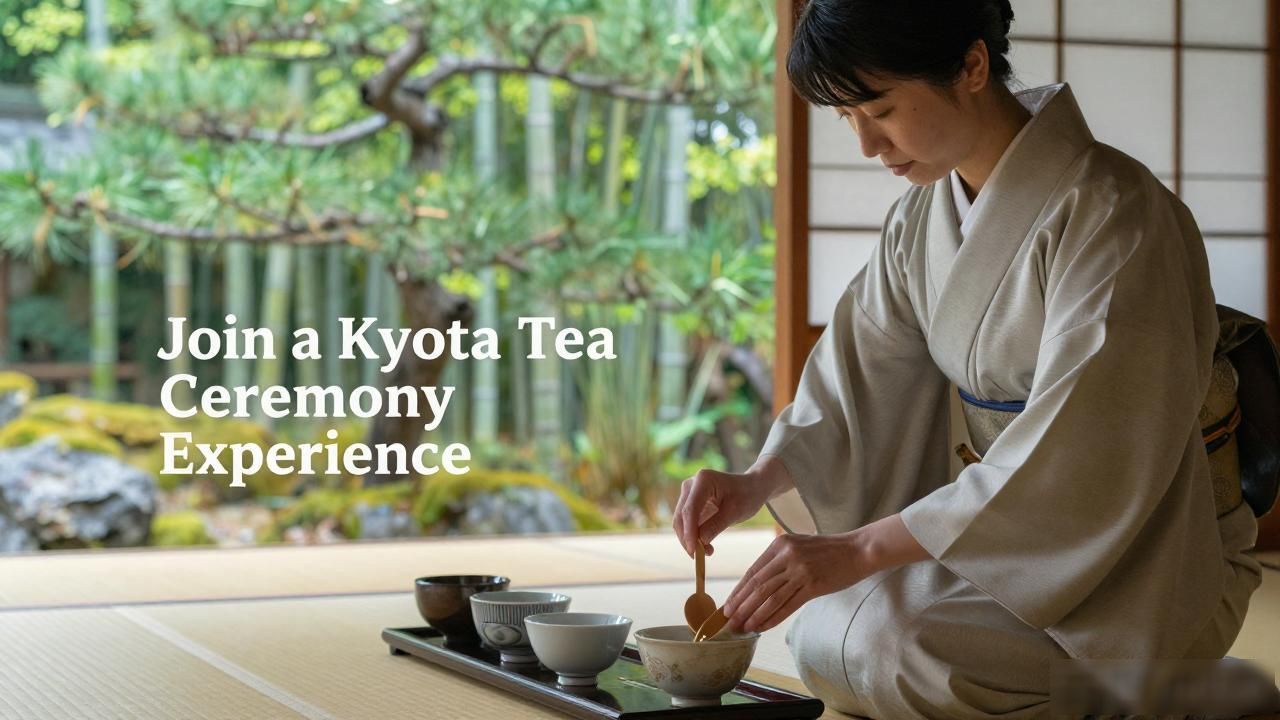
The Japanese tea ceremony is far more than simply drinking matcha; it is a choreographed dance of mindfulness, aesthetics, and hospitality. For foreigners seeking a genuine connection to Japanese culture, participating in a tea ceremony experience offers a profound glimpse into the nation’s spiritual heritage. The practice, rooted in Zen Buddhism, emphasizes harmony, respect, purity, and tranquility. Entering a traditional tea room, known as a chashitsu, feels like stepping out of the modern rush and into a timeless sanctuary. The experience challenges guests to slow down, appreciate the beauty of simple objects, and engage fully with the present moment. It is a journey that stimulates all senses, from the visual elegance of the floral arrangement to the earthy taste of the whisked green tea.
What to Expect During a Tea Ceremony Experience
Before entering the main room, you will walk through a rocky garden path called a roji. This transitional space is designed to help you shed the dust and worries of the outside world. You might pause at a stone basin to wash your hands and rinse your mouth, a ritual act of purification. Once inside, the atmosphere shifts to quiet reverence. You will likely sit on a tatami mat, either kneeling formally or cross-legged, depending on your comfort and the specific school of tea. The host, dressed in traditional kimono, will emerge with deliberate grace, preparing the utensils with focused precision.

Watch closely as the host cleans each item, from the bamboo scoop to the ceramic tea bowl. The ritual focuses on mindfulness and connection, transforming simple actions into acts of deep concentration. The sound of the boiling water, often described as the wind in the pines, adds an auditory layer to the sensory experience. Seasonal decorations, such as a hanging scroll or a simple flower arrangement, reflect the current season and set the tone for the gathering. You will observe the host whisk the matcha powder with hot water using a bamboo whisk, creating a vibrant green froth that signals readiness.
When the tea is served, receive the bowl with a bow and two hands. Turn the bowl clockwise to avoid drinking from the front face, which is considered the most beautiful part. Sip the tea in a few gracious gulps, savoring the bitter yet sweet flavors. After finishing, compliment the host on the tea and the bowl, admiring the craftsmanship. Finally, wipe the rim of the bowl gently with your fingers before turning it back to its original position. This sequence of gestures may seem intricate, but the host will guide you through each step,ensuring you feel comfortable and respected throughout the ceremony.
How to Prepare for a Tea Ceremony Experience
Preparation plays a vital role in maximizing your enjoyment of the ceremony. Choose clothing that is clean, modest, and comfortable for sitting on the floor. Loose-fitting pants or a skirt are practical choices that allow for ease of movement. Avoid wearing noisy jewelry, as the clinking sounds can break the meditative silence of the room. Strong perfumes or colognes should also be avoided, as they can interfere with the subtle aromas of the incense and the fresh matcha. Your attire should reflect the dignity and simplicity inherent in the tradition.
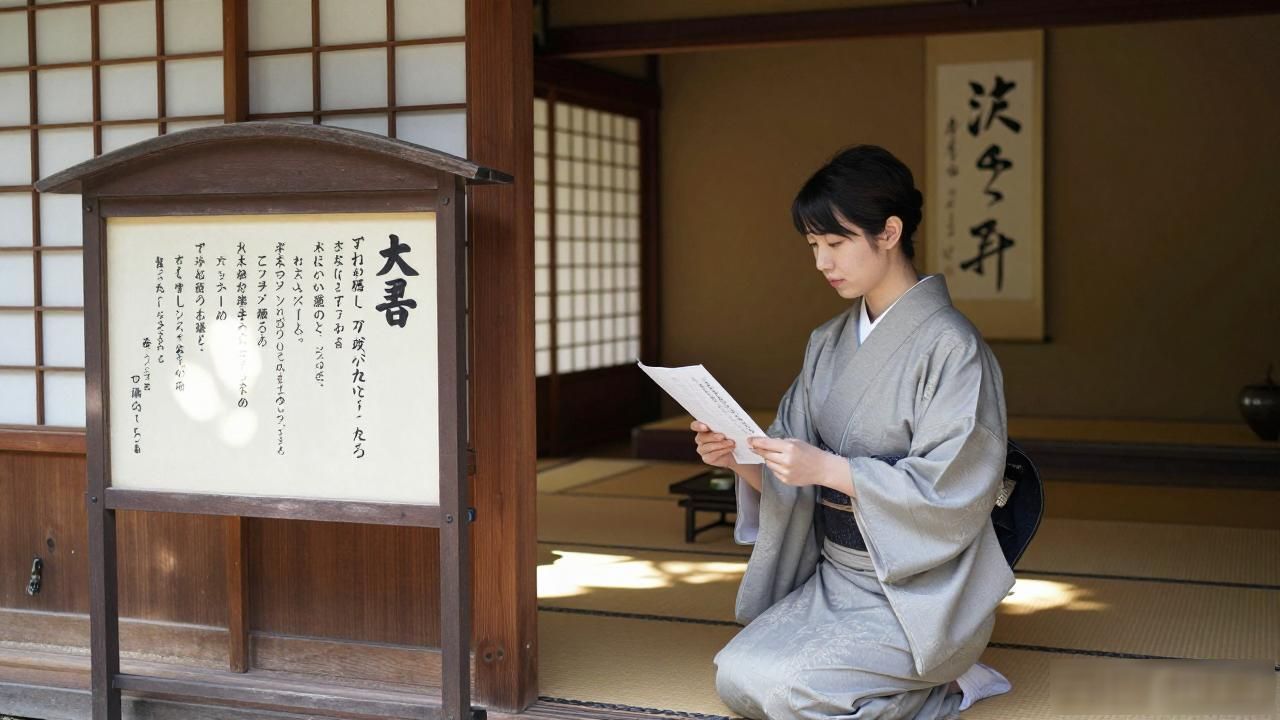
Punctuality is highly valued in Japanese culture, and the tea ceremony is no exception. Plan to arrive at least ten minutes before the scheduled start time. This buffer allows you to read any posted guidelines and settle your mind before the host appears. If you have mobility issues or dietary restrictions, contact the tea house in advance to discuss accommodations. Most importantly, cultivate an open and curious mindset. Approaching the experience with sincerity and a willingness to learn will enrich your understanding of the customs. Sincere curiosity opens the path to grasping the philosophical depth behind the ritual movements.
Be aware that you will typically consume a wagashi, a delicate Japanese sweet, before the tea. This sweet course is not merely a treat but a symbolic counterpart to the bitter tea, designed to balance the palate. Eating the sweet beforehand ensures that the matcha tastes naturally sweeter and smoother. Understanding this custom enhances your appreciation of the host’s attention to detail. You might also receive a light meal in longer ceremonies, known as a kaiseki, which showcases seasonal ingredients presented with artistic flair. Whether it is a brief tea service or a full culinary experience, the focus remains on seasonal beauty and hospitality.
Where to Find the Best Tea Ceremony Experience
Securing a high-quality tea ceremony experience requires thoughtful planning and research. While major cities like Kyoto and Tokyo boast many established tea houses, smaller towns often preserve more authentic traditions. Look for venues located within temple precincts or traditional gardens, where the surrounding nature complements the serene atmosphere of the ceremony. Reading reviews on travel platforms and forums can provide insights into which tea houses offer English-speaking hosts and cater well to international visitors. Word-of-mouth recommendations from fellow travelers can also lead you to hidden gems that offer genuine cultural immersion.
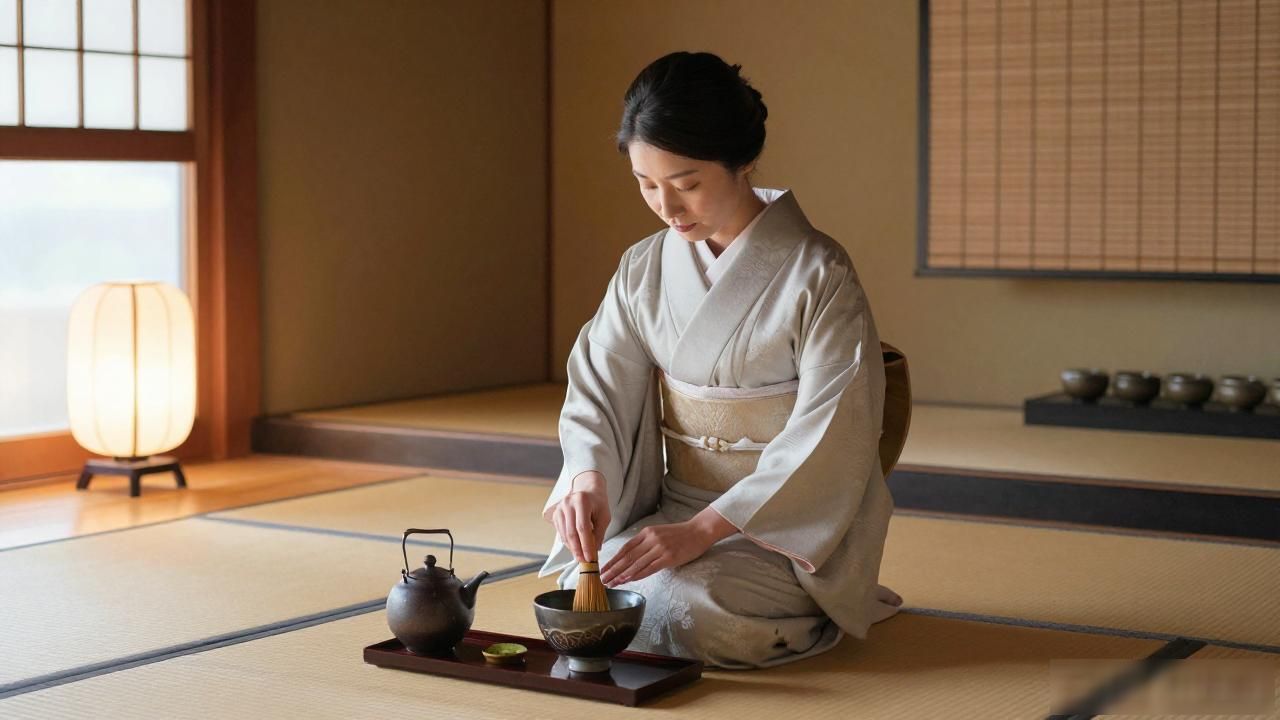
Consider the type of ceremony you wish to attend. Some venues offer short, introductory sessions lasting about thirty minutes, ideal for first-time participants. Others provide a chaji, a full ceremonial meal that can last several hours. If you have the time and interest, a chaji offers a comprehensive introduction to the aesthetic principles of tea culture. Booking well in advance is essential, particularly during cherry blossom season or autumn foliage months when demand is highest. A memorable experience creates lasting memories, making the effort to secure a spot in a reputable tea house well worth your time.
Additionally, some modern tea houses have adapted their services to make the ceremony more accessible to foreigners. They might provide detailed explanations in English, offer guided tours of the tea room, or even teach you how to whisk the tea yourself. These interactive elements can deepen your engagement and help you appreciate the skill involved in the practice. By choosing a venue that balances tradition with accessibility, you ensure a comfortable and educational experience. The goal is to leave with a sense of peace and a newfound respect for this ancient art form, carrying its tranquility into your daily life.
Embrace the stillness and the gentle rhythm of the ceremony. Let the warmth of the tea bowl soothe your hands and the bitter taste of the matcha sharpen your senses. This moment of pause is a gift, offering a respite from the noise of everyday life. You depart with a deeper understanding of Japanese aesthetics and a cherished memory of a shared ritual. May the harmony and respect you witnessed stay with you, guiding you toward a more mindful existence.