
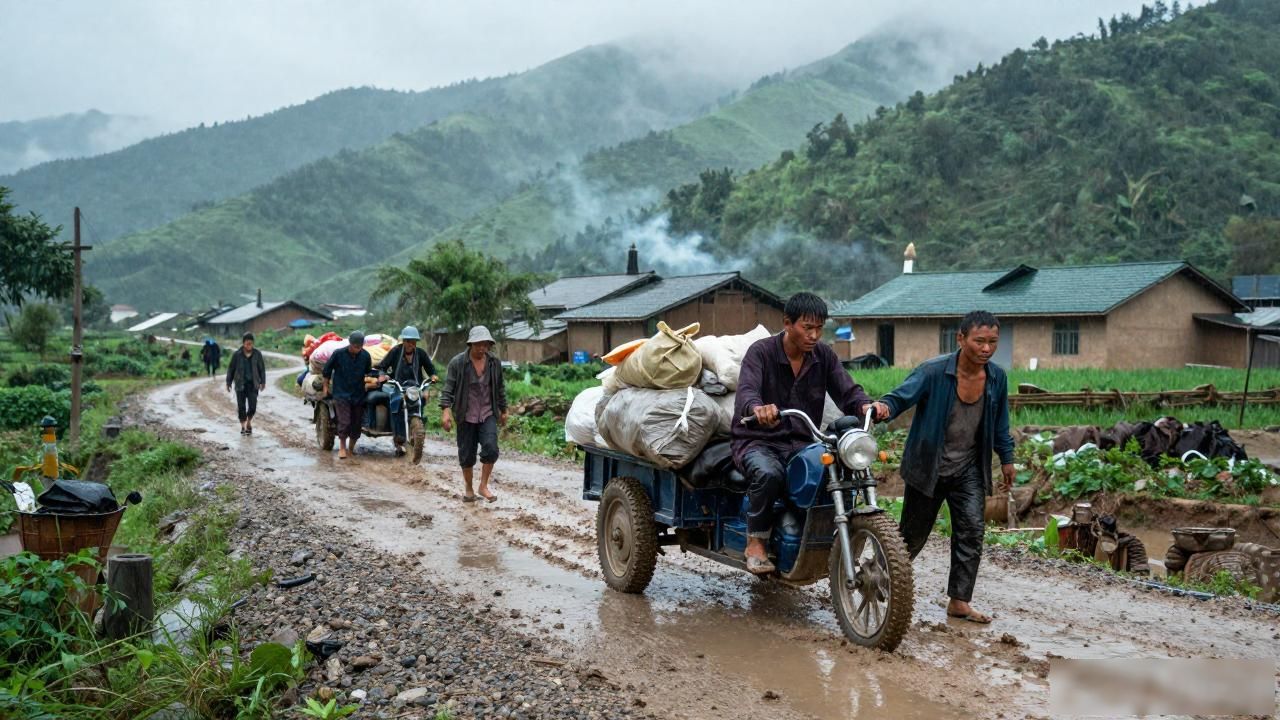
I’ve spent nearly a decade wandering through China’s most isolated countryside, and let me tell you something nobody puts in guidebooks: these places exist in a world most travelers will never understand. From the bamboo-clad peaks of Guizhou province to the terraced rice fields clinging to Yunnan mountainsides, remote Chinese villages offer experiences that no algorithm can replicate. If you’re reading this, chances are you’re tired of the curated tourist trail and hungry for something real.
What Makes China Remote Villages Different
Let’s cut through the romanticized nonsense you’ll find online. These aren’t some quaint countryside B&B experience. We’re talking about places where the nearest hospital might be a two-hour walk away, where the internet signal disappears past the county road, and where the average resident hasn’t left their municipality in thirty years.
The terrain alone will humble you. I remember trekking through Guangxi’s karst landscapes at dawn, watching mist pour through limestone valleys where entire villages sit perched on hillsides like stages from an ancient opera. No paved roads. No visitor centers. Just a dirt path winding through terraced fields tended by farmers who’ve used the same methods for centuries.
What draws travelers here isn’t luxury—it’s authenticity. These communities haven’t been gentrified into oblivion. There are no coffee shops with exposed brick walls and overpriced lattes. There are grandmotherly hosts who don’t speak a word of English but will feed you rice noodles from their own kitchen and insist you take leftovers home.
How to Actually Reach These Places
Forget booking everything online. The reality is that reaching remote Chinese villages requires flexibility, patience, and a willingness to embrace chaos. Most of these places have no English signage, no TripAdvisor presence, and no guarantee you’ll find accommodation.

Public transportation gets you close—usually to a county seat or town—but from there, it’s local buses, shared vans, or walking. Roads vary wildly in condition. Some are fine gravel tracks; others become impassable rivers during rainy season. I learned this the hard way after spending six hours stuck behind a herd of water buffalo on a mountain pass in Sichuan.
Cash is king here. Credit cards simply don’t exist in most villages. Even small guesthouses and family restaurants operate on cash-only systems. Bring sufficient yuan and always carry your passport or a government-issued ID—domestic police checkpoints are common in rural provinces, and foreigners without proper documentation face serious complications.
Are Remote Chinese Villages Worth the Trouble
Yes, absolutely—but with caveats that matter. The magic of these places comes with significant tradeoffs that every visitor needs to understand before committing.
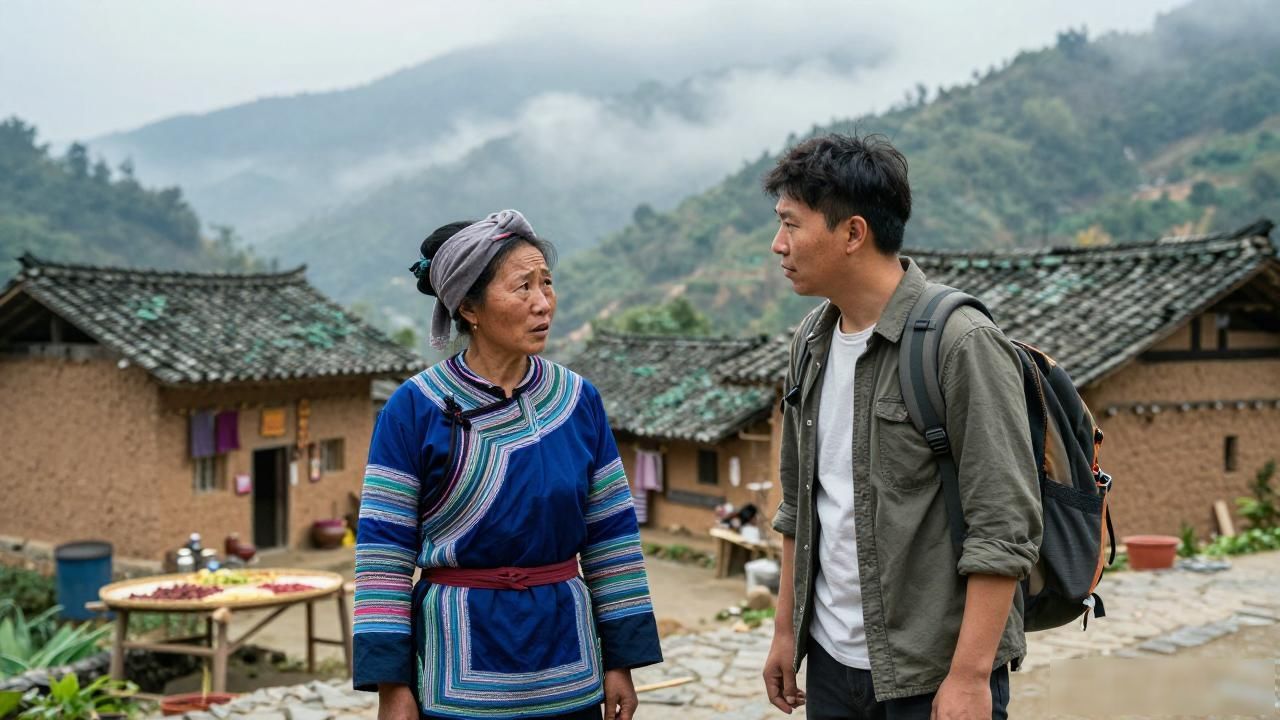
Cultural barriers are real. Language isolation hits hard in villages where nobody speaks English and very few residents speak any language besides their local dialect. But here’s what nobody tells you: that barrier becomes your greatest asset. Without the ability to browse or negotiate, you’re forced to engage directly with locals,and that’s where genuine connection happens. A shared meal, a gesture of gratitude, a smile across a language gap—these moments forge memories that five-star hotels never will.
There’s also the responsibility angle. Tourism, even quiet rural tourism, changes communities. The key is visiting respectfully. Ask permission before photographing people. Support locally-owned homestays rather than foreign-backed boutique properties. Learn basic Mandarin phrases. Show up as a guest, not a征服者.
For those willing to step off the beaten path, China’s remote villages remain one of the last truly untapped frontiers in global travel. They won’t make your Instagram feed look polished, but they’ll change how you see the world—and more importantly, how you see yourself within it.