
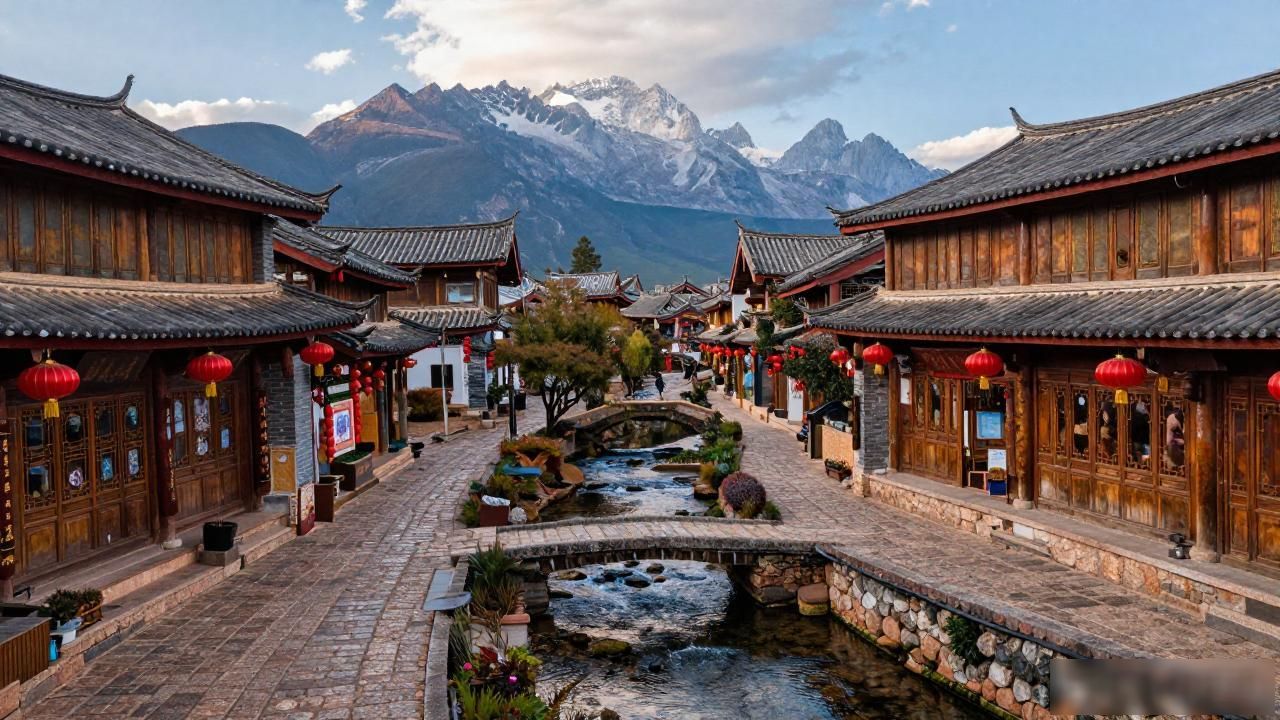
Yunnan is one of China’s most diverse and stunning provinces, sitting right at the crossroads of Southeast Asia, Tibet, and the rest of southern China. It stretches from tropical jungles in the south to snow-capped peaks in the north, making it feel like a continent packed into a single trip. For travelers coming from Europe, North America, or anywhere outside Asia,Yunnan offers something most people never get to experience — ancient Naxi villages, colorful ethnic minority festivals, endless tea mountain trails, and some of the most dramatic landscapes on the planet. If you are planning a trip here, the real question is where to start and how to make the most of the time you have.
What Are the Must-See Places in Yunnan?

You cannot visit Yunnan and skip Lijiang Old Town. It sits at nearly 2,400 meters above sea level, wrapped between the Jade Dragon Snow Mountain and a network of ancient canals. The cobbled streets, wooden houses, and small bridges give it a timeless quality, though the main commercial strip can get crowded. Head toward the edges of town and you will find quiet courtyards, local tea houses, and Naxi elders sitting outside their doors. The nearby Black Dragon Pool offers the classic view of the snow mountain reflected in still water, and it is one of the best shots you can get without any special equipment.
Shangri-La, officially known as Zhongdian, is another place that belongs on every first-timer’s list. Located at over 3,200 meters, the air is thin and the landscape looks more Tibetan than Chinese. The Songzanlin Monastery here is the largest Tibetan Buddhist monastery in the region, and its golden roofs against the blue sky are unforgettable. Nearby, Pudacuo National Park has alpine lakes and meadows that shift from emerald in summer to gold in autumn. Travelers who arrive with altitude sickness concerns should spend at least a day acclimatizing before heading up.
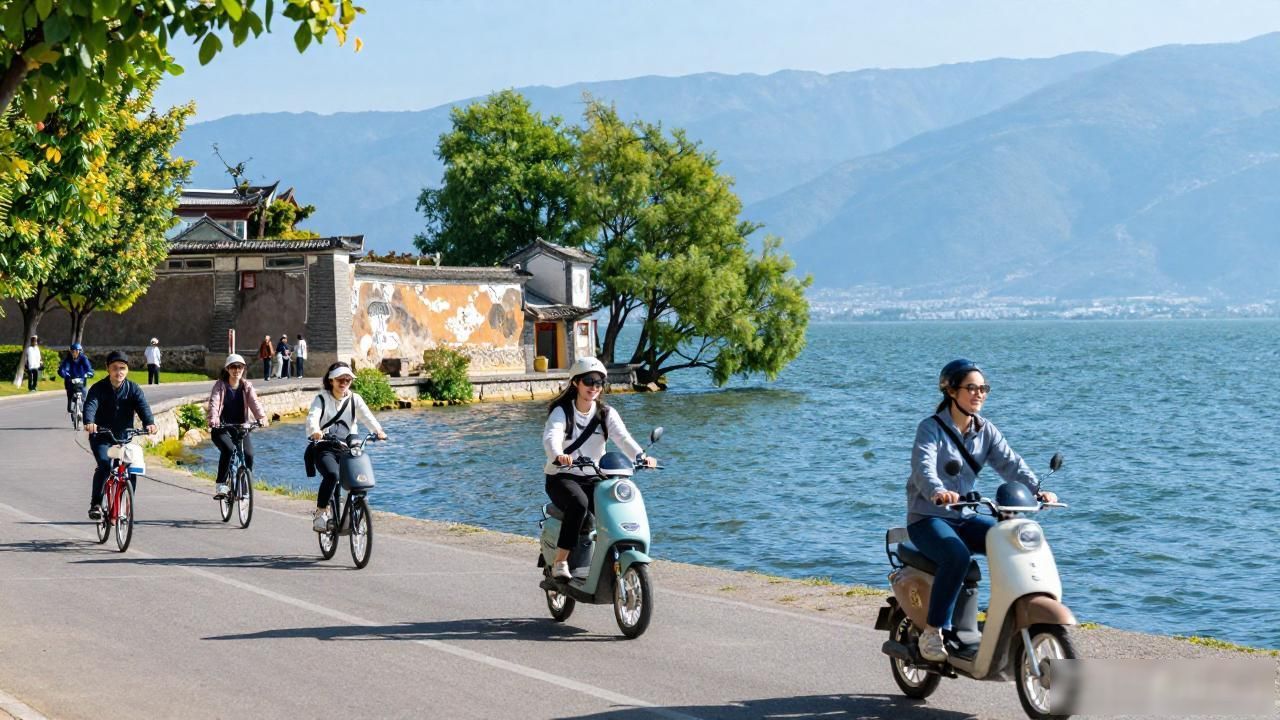
Dali and Erhai Lake deserve more attention than they usually get. Dali was once the capital of the ancient Nanzhao Kingdom, and you can still see the weathered city walls standing near the lake shore. Renting a bicycle or a scooter and riding along the Erhai ecological corridor takes about four to five hours and passes through fishing villages, rapeseed fields, and small temples. It is slow travel at its best, and it is exactly the kind of experience that makes Yunnan stand out from other Chinese destinations.
How Should You Plan Your Yunnan Itinerary?
Most visitors spend between five and ten days in Yunnan, and that is usually enough to hit the main highlights without rushing. A typical route starts in Kunming, the provincial capital, where you can explore the Stone Forest or visit the Golden Temple before catching an overnight train or a short flight to Dali. From Dali, moving north toward Lijiang takes only two hours by car, and from Lijiang you can either drive or take a scenic train up to Shangri-La. This northward progression also helps your body adjust gradually to the increasing altitude.

If you have extra time, add Xishuangbanna in the far south of the province. It is completely different from the rest of Yunnan — tropical, humid, and culturally tied to Thailand and Myanmar rather than the Tibetan plateau. The tropical botanic garden here is one of the largest in Asia, and the night markets in Jinghong sell everything from grilled insects to tropical fruits you will not find anywhere else in China. A trip from the snowy north to the subtropical south in one journey is one of Yunnan’s most rewarding contrasts.
Timing matters more than many travelers expect. March through May brings mild weather and blooming rapeseed flowers, while September and October offer the clearest mountain views before the winter snows arrive. The rainy season runs from June to August, which means lush landscapes but also the possibility of disrupted bus and flight schedules. Domestic flights connect Kunming, Lijiang, and Xishuangbanna efficiently, while the new high-speed rail line linking Kunming, Dali, and Lijiang has made the central route faster and more comfortable than it used to be.