
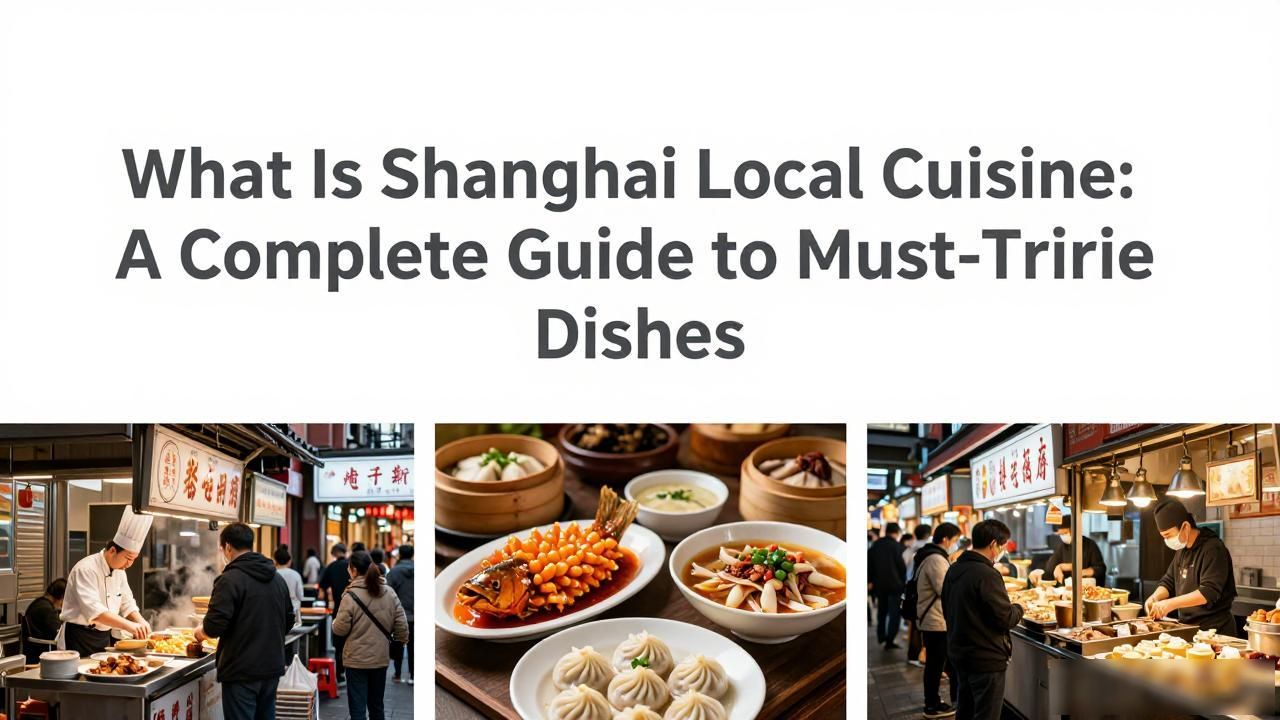
Shanghai local cuisine, also known as Benbang cai, represents one of China’s most distinctive regional food traditions. Born from the city’s unique position as a river port and treaty port, it blends Jiangnan cooking techniques with influences from across the country and beyond. For visitors seeking authentic flavors,understanding what makes this cuisine special opens up a whole new way to experience the city.
The hallmark of Shanghai local cuisine is its balance of sweet and savory. Unlike Sichuan’s heat or Cantonese’s lightness, Shanghai dishes celebrate a rich, rounded taste built on soy sauce, sugar, and careful braising. The signature reddish-brown glaze coating many dishes comes from a precise combination of soy sauce and rock sugar. This visual appeal, combined with tender textures, makes the food instantly recognizable.
Beyond the famous tourist spots, Shanghai’s food scene extends into narrow alleyways and neighborhood markets where locals gather. These hidden spots offer the most genuine taste of what generations of Shanghainese families have considered comfort food.
What Makes Shanghai Local Cuisine Unique
Shanghai’s geography shaped its food culture in fundamental ways. Situated at the Yangtze River delta, the city has always had access to fresh river fish, shellfish, and seasonal vegetables. The abundance of waterways meant that freshwater ingredients became the foundation of local cooking rather than meats or grains. This aquatic bounty continues to define the cuisine today.
The cooking methods reflect practicality meeting refinement. Braising, stewing, and quick-frying dominate the kitchen repertoire. These techniques transform humble ingredients into complex dishes that reward patience. A well-braised pork belly takes hours to reach the perfect melting texture, while a quick stir-fry preserves the crispness of seasonal greens.

Historical trade routes brought new ingredients and ideas to Shanghai’s shores. Immigrants from neighboring provinces like Jiangsu and Zhejiang influenced local recipes, while international traders introduced cooking oils and spices. The result is a cuisine that feels both deeply local and surprisingly cosmopolitan.
Where to Find Authentic Shanghai Dishes
Tourist areas offer convenience but often compromise on authenticity. The most rewarding experiences come from venturing into residential neighborhoods where locals eat daily. Family-run restaurants in the former French Concession serve dishes that have been perfected over generations. These establishments prioritize taste over presentation, delivering honest, satisfying meals at fair prices.
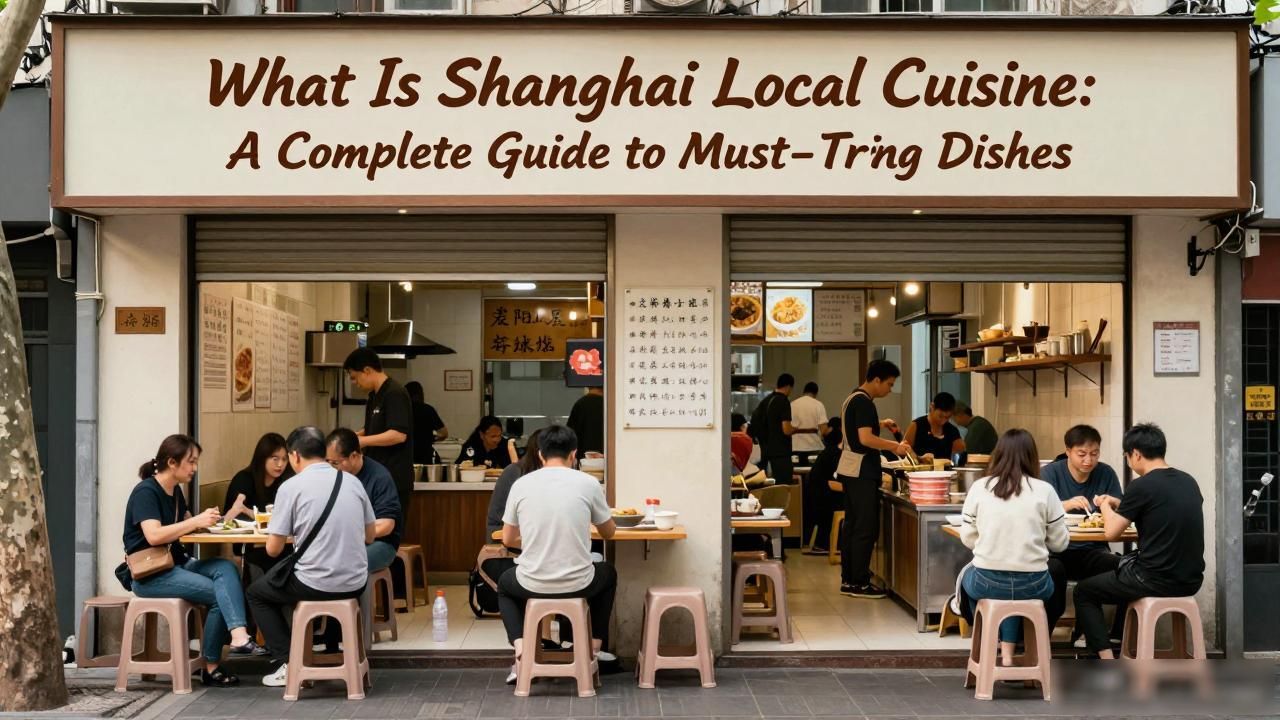
Xiangyang Road and Wukang Road form a corridor of beloved neighborhood eateries. Small spaces, plastic stools, and handwritten menus characterize the scene. The food moves quickly because the turnover is high—locals know where to go and return frequently.
Food markets provide another window into Shanghai’s culinary world. Visiting early morning markets lets you watch vendors prepare dishes fresh and observe how ingredients are selected and combined. This behind-the-scenes glimpse reveals the daily rhythm of Shanghai’s food culture.
Shanghai local cuisine rewards the curious traveler. The city’s food traditions evolved through centuries of trade, migration, and cultural exchange. By seeking out neighborhood restaurants and markets, visitors discover a culinary landscape that reflects Shanghai’s complex history and vibrant present.