
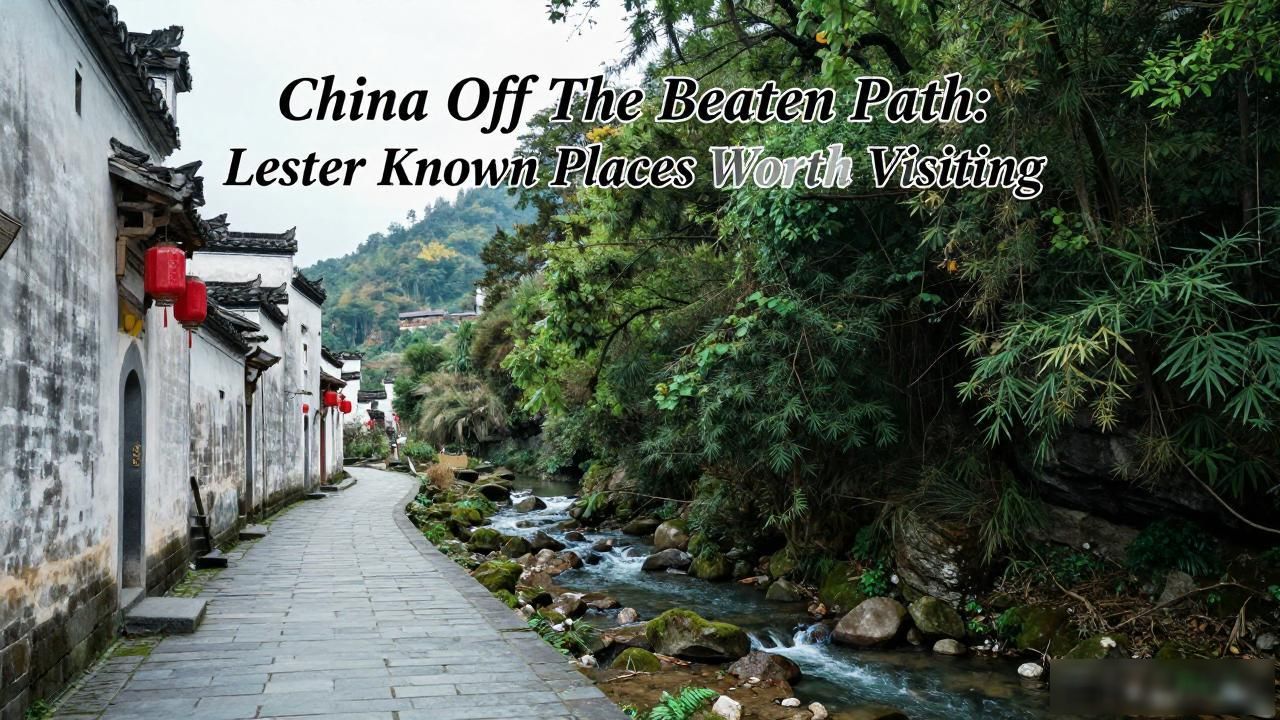
Most travelers to China flock to the same handful of destinations — the Great Wall, the Terracotta Warriors, the Bund in Shanghai. But beneath the well-worn tourist trail lies a country far more layered and surprising. From misty karst villages to ancient salt routes, China’s hidden gems offer experiences that no guidebook fully captures.
What are the best hidden gems in China
Guizhou Province, tucked in southwest China, remains one of the most underexplored regions by international visitors. Home to over forty ethnic minority groups, the area is dotted with stilt-house villages perched on limestone cliffs. Places like Zhaoxing Dong Village feel untouched by mass tourism. Locals still practice traditional drum-and-song rituals,and the surrounding rice terraces shift through emerald and gold across the seasons.

Another overlooked treasure lies in Gansu’s Hexi Corridor. While most tourists head to Dunhuang’s Mogao Caves, the smaller sites along the Silk Road — like the Yadan Ghost City or the ancient city of Jinta — offer haunting landscapes and far fewer crowds. The desert here stretches for miles, and stargazing on clear nights reveals skies unlike anything seen in urban China.
Where to find authentic cultural experiences away from crowds
Yunnan’s Tengchong region is a quiet alternative to Dali and Lingshui. Volcanic hot springs, centuries-old tea horse road ruins, and Hui minority hotpot create a distinct cultural tapestry. The area also holds World War II memorials, reminding visitors that this corner of China played a pivotal role in modern history.
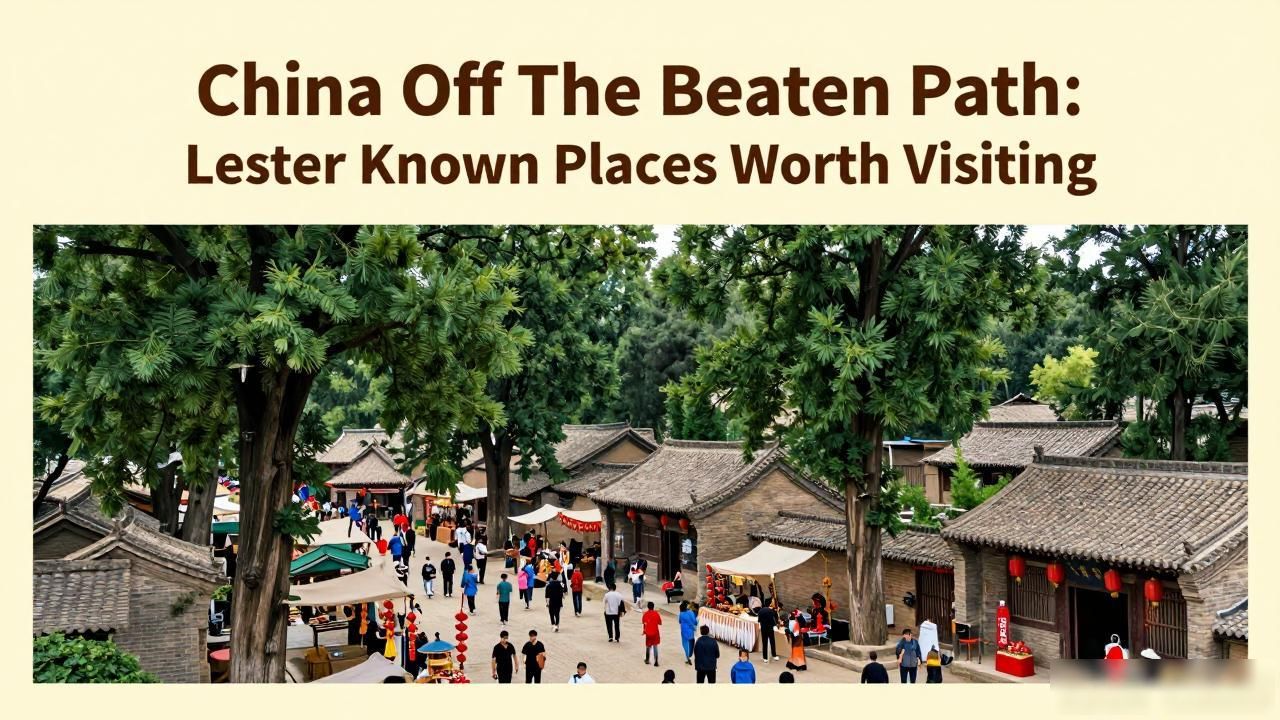
In the mountains of Shaanxi, the town of Yangling sits near the tomb of the Yellow Emperor. It is a place of pilgrimage for Chinese people seeking ancestral roots, yet it receives almost no foreign tourists. The surrounding farming villages, ancient cypress forests, and local temple fairs offer a glimpse into rural Chinese spirituality that is both intimate and profound.
Why visit lesser known places in China
Exploring China’s hidden gems is not just about avoiding crowds. It is about encountering a country that refuses to be simplified. The people you meet in these places often share stories that never appear in travel magazines. They invite you into their homes, offer homemade rice wine, and speak with pride about traditions that have survived centuries of change.
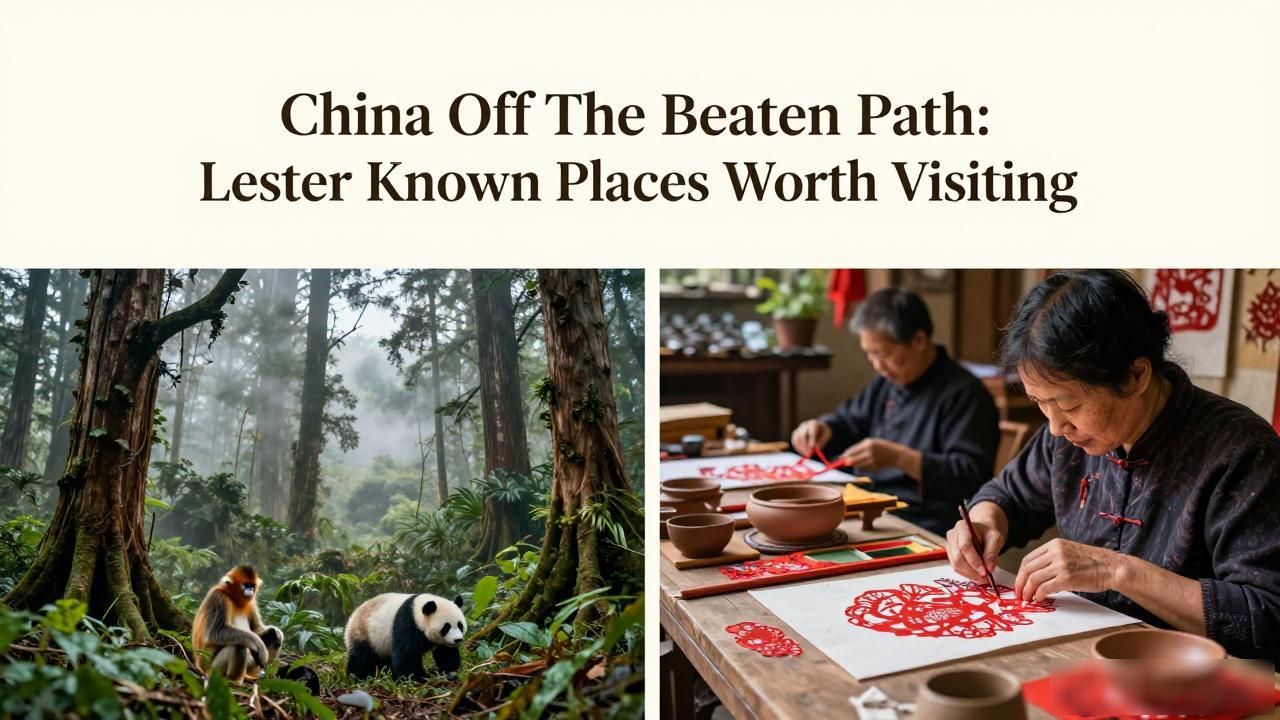
These destinations also carry ecological and cultural significance. Many are home to endangered species, ancient forests, and intangible heritage at risk of fading. Traveling there responsibly supports local economies and helps preserve ways of life that mainstream tourism might otherwise erode.
China rewards those willing to look beyond the postcard. The real magic lies in the quiet villages, forgotten trade routes, and landscapes that remain stubbornly, beautifully uncommercialized.