
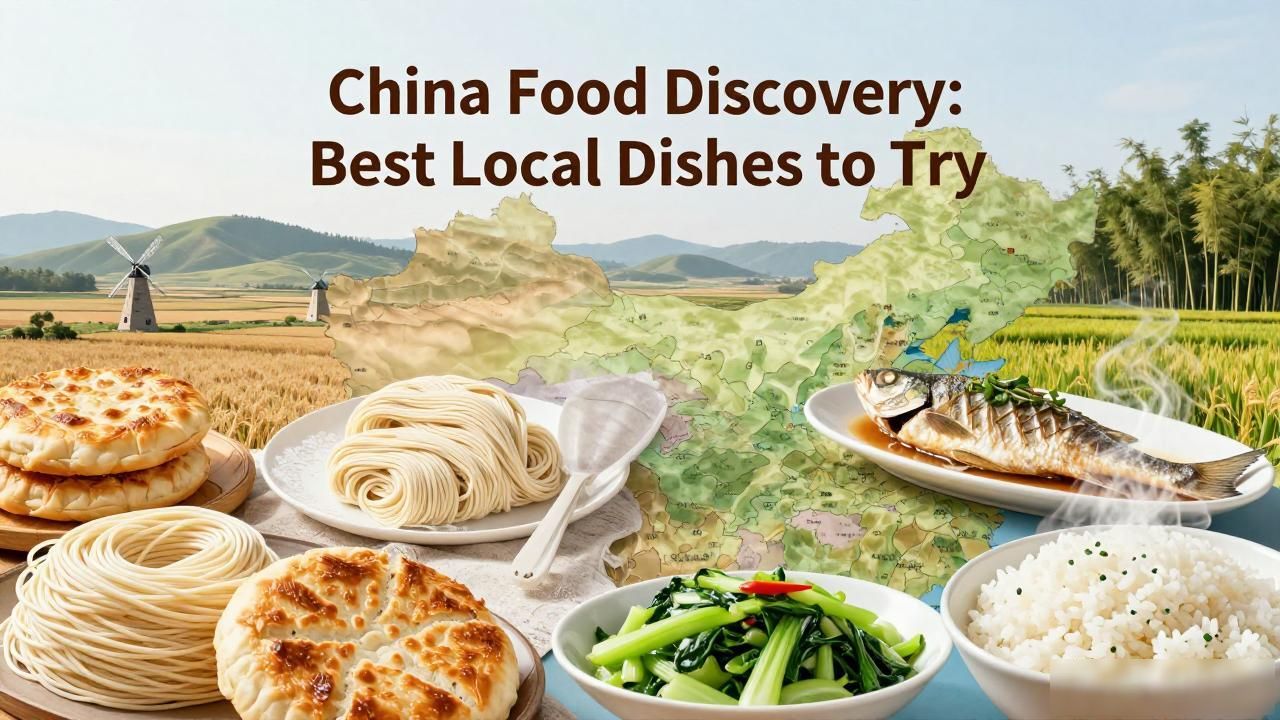
Chinese cuisine is one of the most vast and exciting food traditions on the planet. From sizzling wok-fired dishes in bustling night markets to delicate dim sum in historic teahouses, every corner of China tells a different culinary story. For travelers seeking authentic flavors beyond tourist menus, understanding the regional diversity is the key to a truly memorable food journey.
What Makes Chinese Cuisine So Diverse

China stretches across five major climate zones, and that geography shapes everything on the plate. Northern provinces rely heavily on wheat, producing hand-pulled noodles and flaky pancakes that contrast sharply with the rice-centric diets of the south. Sichuan and Hunan provinces are famous for their bold use of Sichuan peppercorns and dried chilies, creating the iconic numbing-spicy sensation known as ma la. Cantonese cooking takes an entirely different approach, emphasizing freshness, balance, and subtle seasonings that let premium ingredients speak for themselves.
The eight great culinary traditions of China — Sichuan, Cantonese, Shandong, Jiangsu,Fujian, Zhejiang, Hunan, and Anhui — each carry distinct techniques and flavor profiles. A traveler moving from Chengdu to Guangzhou will encounter completely different food cultures, even within the same country. This regional variation is what makes China food discovery such a rewarding experience. Street vendors in Xi’an serve cumin-spiced lamb skewers that echo the Silk Road heritage, while floating restaurants in Guilin offer fish steamed with local bamboo shoots and ginger.
Where to Find the Best Street Food in China
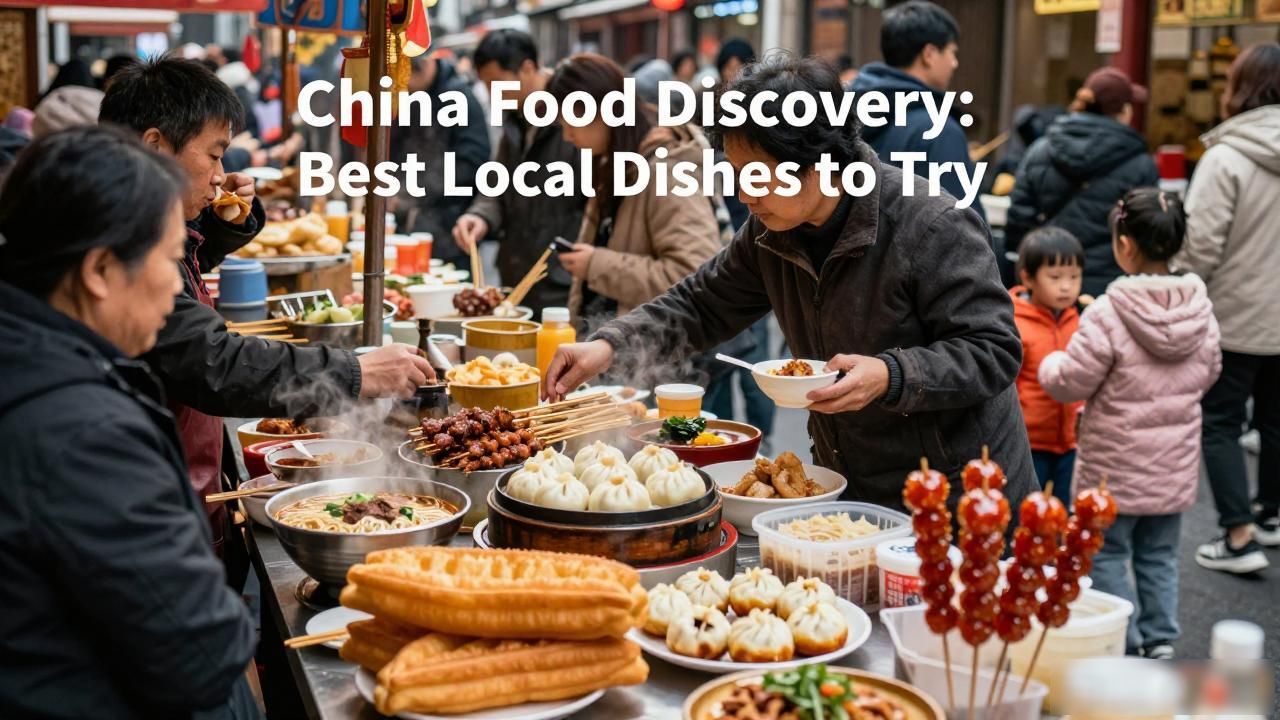
Street food remains the heartbeat of Chinese culinary culture. Night markets in cities like Chengdu, Chongqing, and Kunming come alive after dark, transforming entire blocks into open-air food courts where you can sample dozens of dishes in a single evening. Skewered meats sizzle over charcoal, steamer baskets puff out clouds of fragrant steam, and vendors shout to draw in hungry crowds.
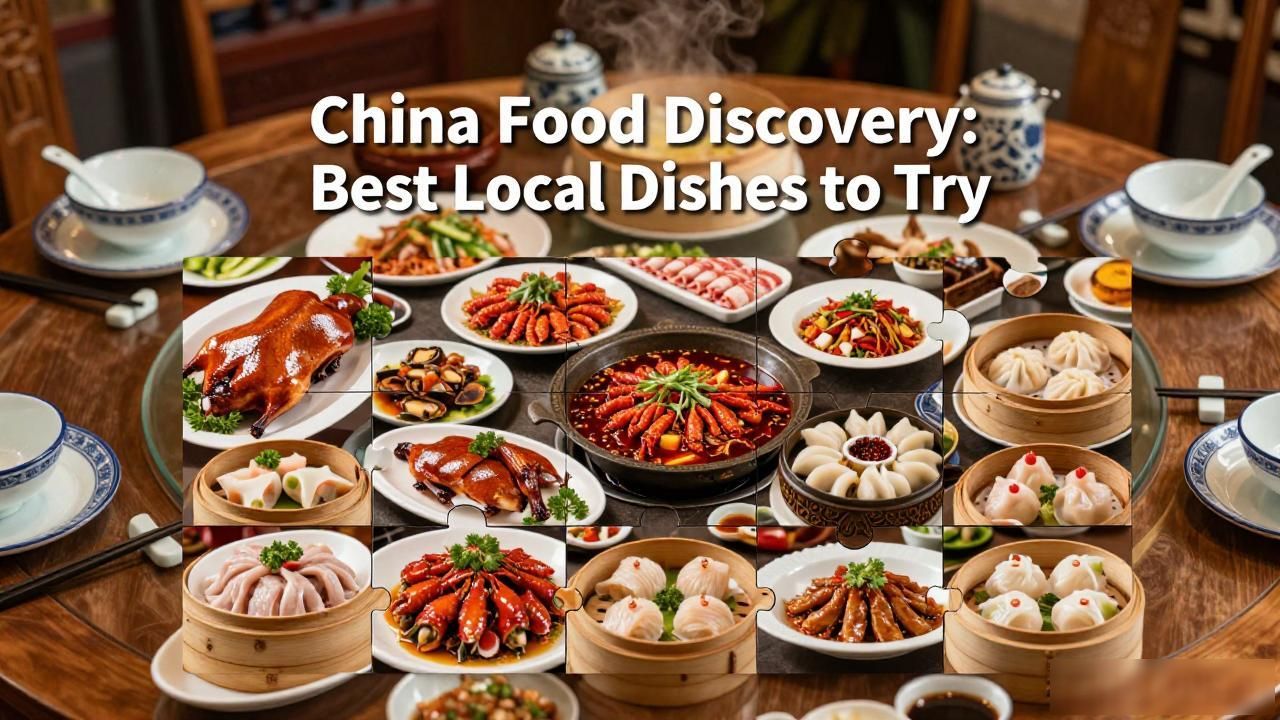
The most unforgettable street food experiences often come from the simplest stalls — a grandmother kneading dough for hand-pulled lamian noodles, or a young chef flipping Jianbing crepes on a round griddle with practiced speed. In Beijing’s hutongs, you can find baozi steamed to perfection in bamboo baskets. Chengdu’s Duffu Hua offers silken tofu desserts that melt on the tongue. Guangzhou’s dim sum carts roll through tea houses where elderly locals gather daily for breakfast.
For the best results, follow the crowds. Stalls with steady lines of local customers almost always serve the freshest and most authentic food. Look for places where you can watch the cooking happen in front of you. Avoid restaurants with picture menus aimed at foreigners. Carry small bills, learn a few basic phrases like “duoshao qian” (how much), and approach each meal with curiosity and an open mind. Chinese food culture rewards the bold, and the greatest discoveries often come from taking a chance on something you cannot read on a menu.