

China Travel has become one of the hottest search terms in recent years, and for good reason. The country offers an overwhelming mix of ancient history, futuristic cities,diverse landscapes, and food that will blow your mind. But let me be honest with you — traveling in China is not like traveling in Europe or Southeast Asia. The language barrier is real, the internet is different, and the sheer scale of everything can be intimidating. I’ve spent years exploring this country, and I’m here to help you skip the rookie mistakes and get straight to the good stuff.
Is China Travel safe for solo tourists

Safety is usually the first question I get from friends back home. The short answer is yes — China is one of the safest large countries I’ve ever traveled through. Violent crime against foreigners is extremely rare, and even petty theft is less common than in most Western cities. I’ve walked through Beijing’s hutongs at midnight and wandered Shanghai’s backstreets alone without ever feeling threatened. That said, you should still keep your wits about you in crowded tourist spots like the Great Wall or the Bund, where pickpockets occasionally operate. One thing that surprised me is how many police officers you’ll see on the streets — they’re approachable and genuinely helpful if you need directions or help.
Another safety consideration is health. Tap water is not drinkable anywhere in China, so always buy bottled water. Air quality in northern cities like Beijing can be rough during winter, so pack an N95 mask if you have respiratory issues. Pharmacies are everywhere, and most medications that require a prescription in the US are available over the counter here. Just bring a translation app to explain what you need.
What should I know before traveling to China
The biggest shock for most first-timers is the internet situation. Google, Facebook, Instagram, WhatsApp, and even Gmail are blocked. You will need a VPN installed on your phone before you arrive, or you’ll be completely cut off from the world. I learned this the hard way on my first trip — I landed in Beijing with no way to contact anyone. Download a reliable VPN, test it before you fly, and keep a backup option. WeChat is the app you’ll actually use for everything — messaging, payments, even booking taxis. Set it up before you arrive and link your international credit card if possible.
Payment is another thing that’s changed dramatically. China is essentially a cashless society now. Street vendors, tiny noodle shops, even some temples only accept mobile payments through Alipay or WeChat Pay. You can link your foreign credit card to both apps now, which makes life much easier. Still, I always carry a few hundred yuan in cash as backup for emergencies. And here’s a pro tip — download the Amap or Baidu Maps app (both have English versions) because Google Maps doesn’t work properly in China and will lead you astray.
Transportation is actually one of the easiest parts of China Travel. The high-speed rail network is phenomenal — trains are punctual, comfortable, and cheap compared to Western standards. You can get from Beijing to Shanghai in about four and a half hours for around $80. Within cities, the metro systems are clean, efficient, and have English signage at every station. Just remember that you’ll need your passport to buy train tickets, and you should book them a few days in advance during peak seasons like Chinese New Year or National Day.
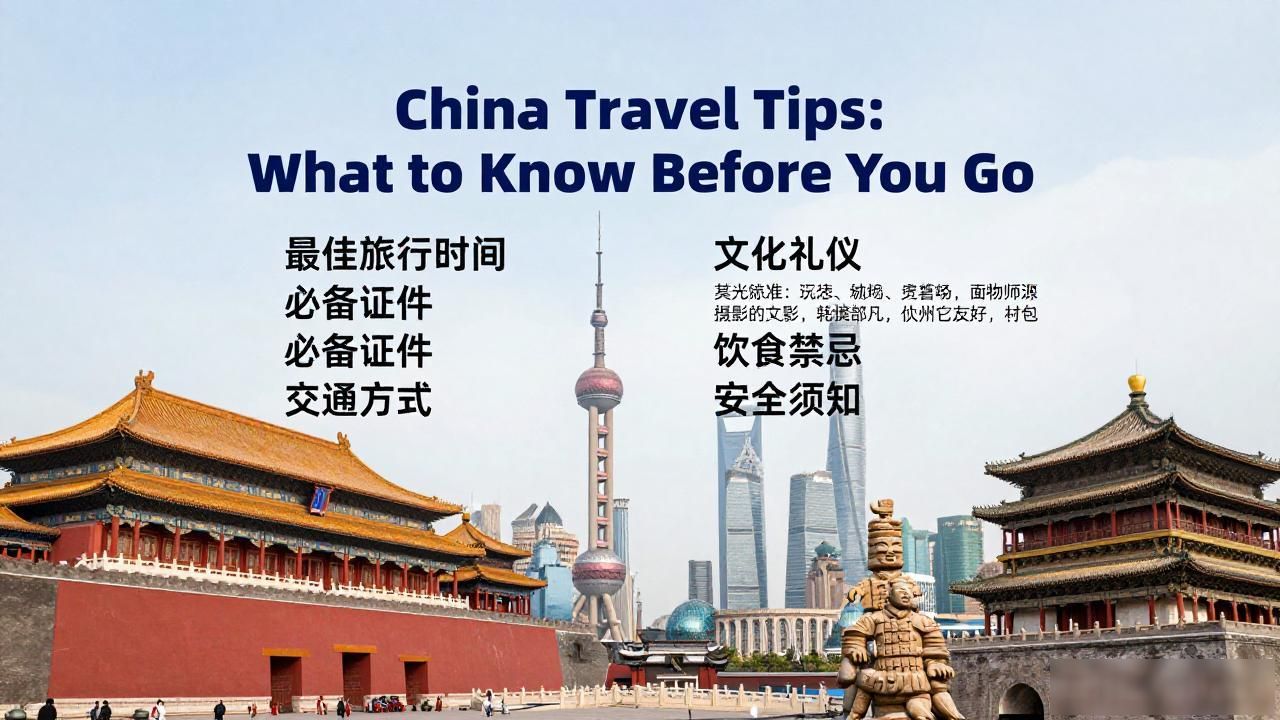
One last thing — learn a few basic phrases before you go. English is not widely spoken outside of major tourist areas and international hotels. I’m not saying you need to become fluent, but knowing how to say “hello” (nǐ hǎo), “thank you” (xiè xiè), and “how much” (duō shǎo qián) will get you surprisingly far. The locals are patient and will often go out of their way to help you if they see you making an effort. Download a translation app like Pleco, which works offline and is far more accurate than Google Translate for Chinese.
China Travel will challenge you, but it will also reward you in ways few other destinations can. The food alone is worth the trip — and I’m not just talking about Peking duck. Every region has its own cuisine, and even the smallest street stall can serve you something unforgettable. The history is staggering, the landscapes are epic, and the people are warmer than you might expect. Go with an open mind, prepare for the practical hurdles, and you’ll have a trip you’ll never forget.