
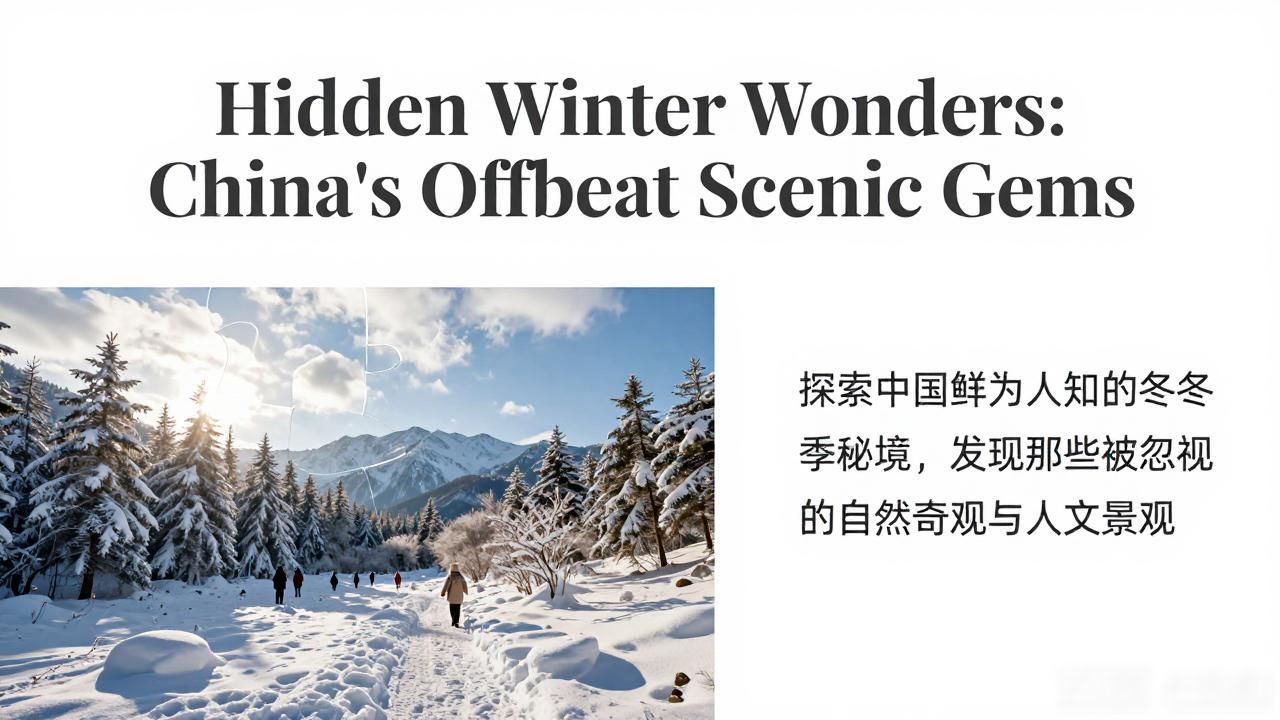
When most travelers picture winter in China, they imagine the Great Wall dusted with snow or the frozen lakes of Harbin. But the country’s real magic lies far from those postcard spots. I’ve spent years chasing cold-weather landscapes across remote provinces, and I can tell you this: the quieter the road, the more breathtaking the view. These are the places where ice meets ancient stone, where mist rolls over terraced hills,and where you’ll have entire valleys to yourself.

Why skip the famous winter spots
The classic destinations are beautiful, no doubt. But they’re also crowded, expensive, and increasingly commercialized. Harbin’s ice festival draws millions, and the Great Wall at Badaling feels more like a shopping mall than a historic site. If you’re after genuine solitude and raw natural beauty, you need to look further west and south. The offbeat paths offer something the guidebooks can’t: silence, authenticity, and a chance to see China as it truly is in winter. Plus, local guesthouses in these areas are often run by families who’ll cook you hot meals and share stories you won’t find online.
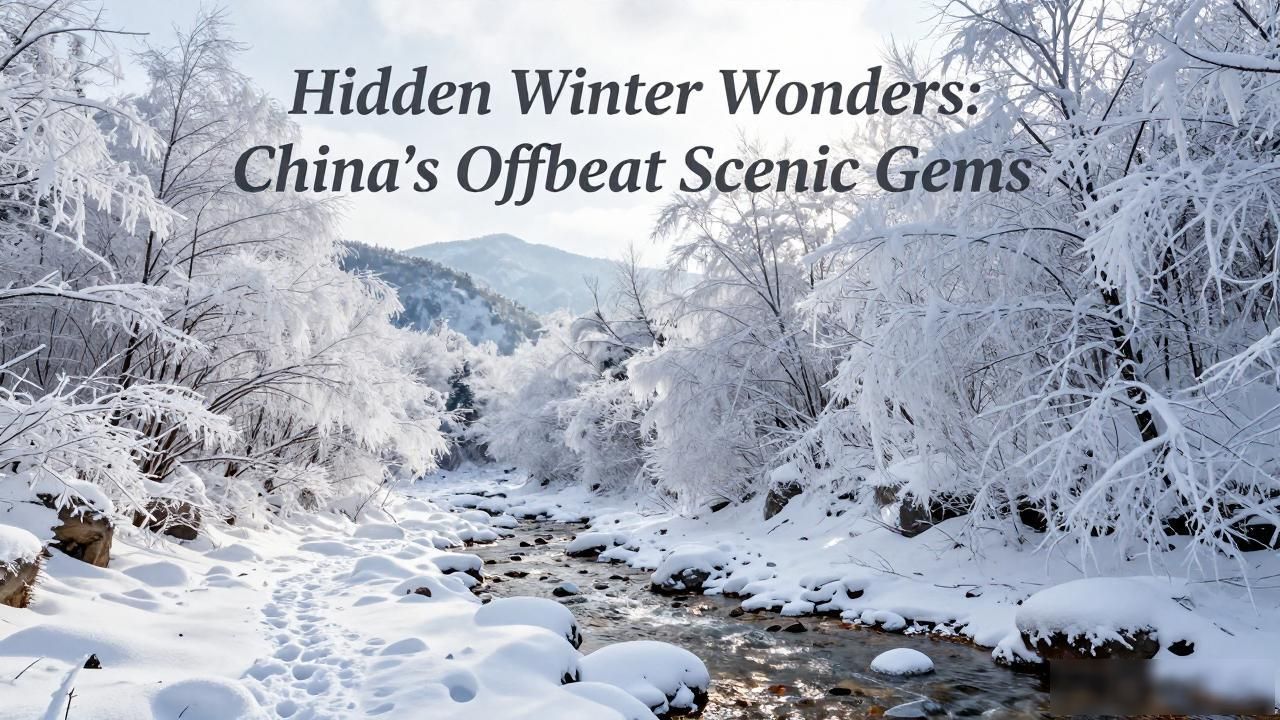
Where to find untouched winter scenery
Start with the frozen rice terraces of Yuanyang in Yunnan. Most tourists come in spring, but winter brings a different kind of drama—mist curling through the valleys, the terraces reflecting steel-gray skies, and the Hani minority villages wrapped in woodsmoke. You’ll need a local driver to navigate the narrow mountain roads, but that’s part of the adventure. Another gem is Kanas Lake in Xinjiang’s far north. It’s a long haul from anywhere, but the sight of snow-covered birch forests and the lake’s turquoise ice is worth every hour on the bus. For something closer to civilization, try the ancient water towns near Suzhou—like Luzhi or Fengjing—where winter fog turns canals and stone bridges into a living ink painting. These towns are sleepy in January, and that’s exactly why they’re perfect.
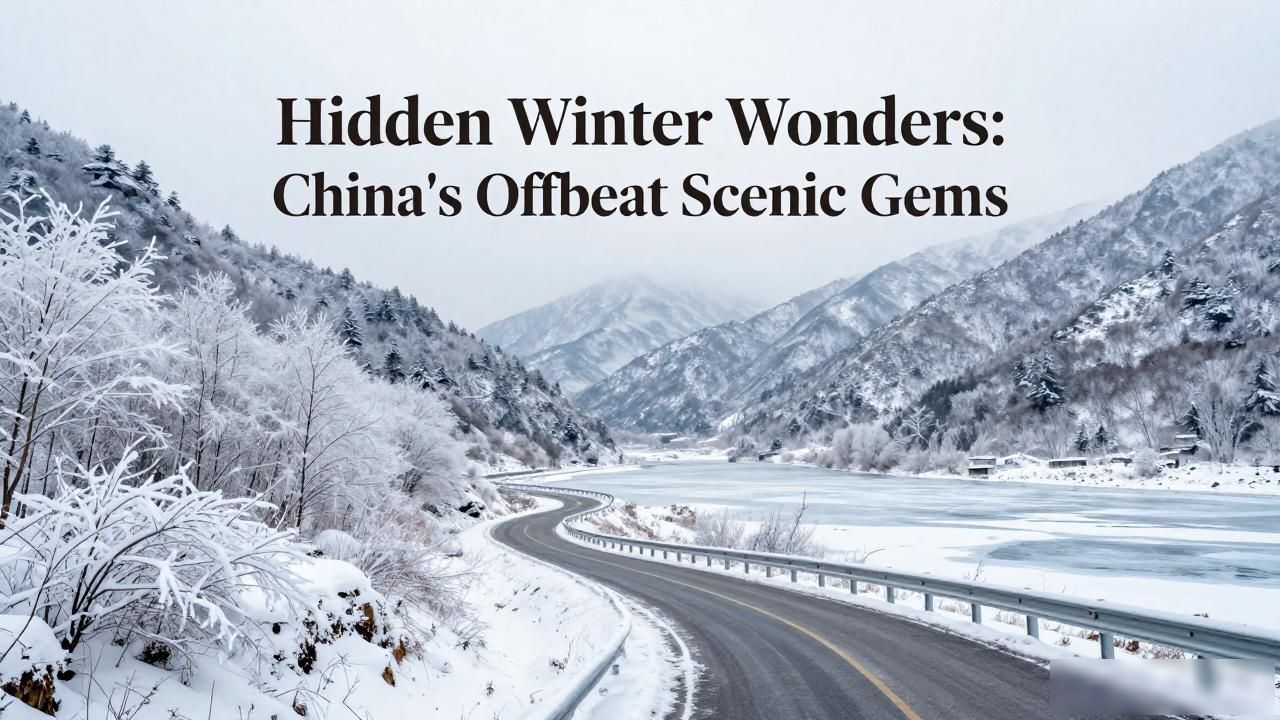
The key is to embrace the cold, not fight it. Pack thermal layers, bring good boots, and plan for shorter daylight hours. But the reward is a side of China that feels untouched by time. The air is crisp, the colors are muted, and every turn in the road reveals a scene you’ll carry with you long after you’ve thawed out.