
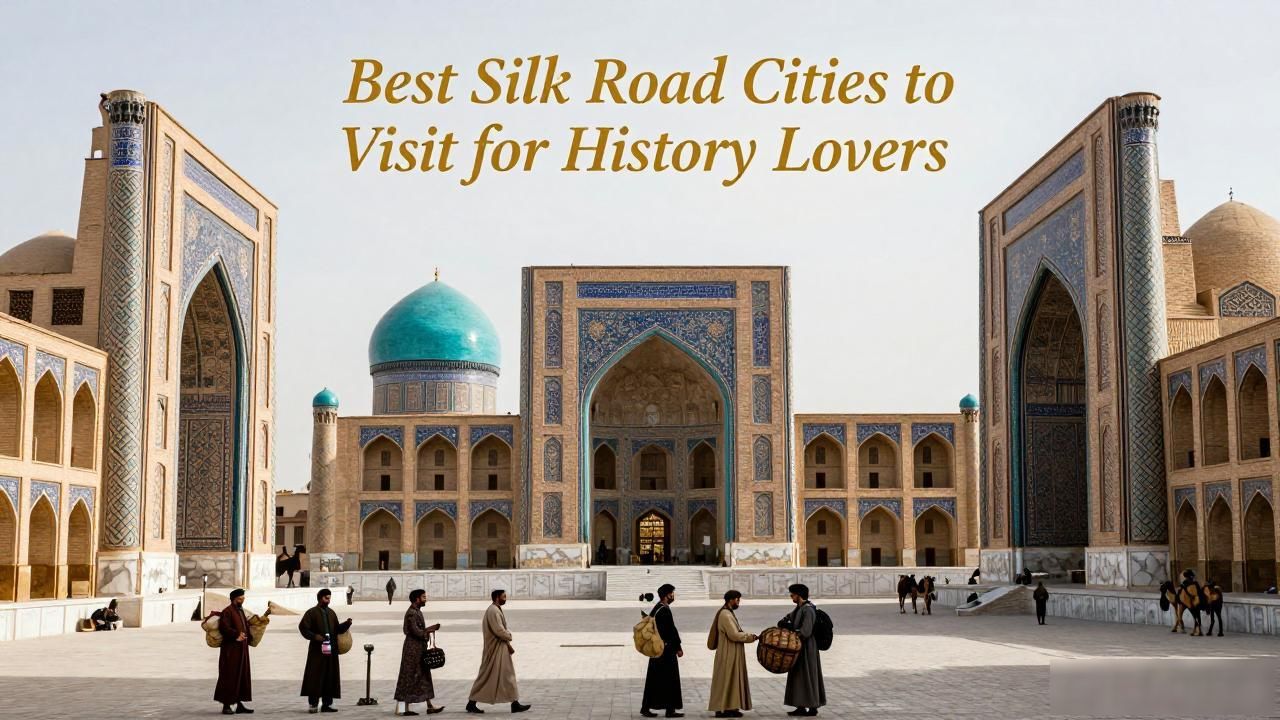
The Silk Road was never a single road but a vast network of trade routes connecting China to the Mediterranean, and the cities along it were the true stars of this ancient highway. For anyone fascinated by history, these urban centers offer a tangible link to a world of caravans, bazaars, and cultural exchange that shaped our modern globe. Visiting a Silk Road city is not just sightseeing; it is stepping into a living museum where the past is layered beneath your feet.
What makes a city a true Silk Road hub

A genuine Silk Road city was more than a pit stop for tired camels. It was a melting pot where goods, ideas, and religions flowed freely. Think of Samarkand, where the turquoise domes of Registan Square still echo the glory of Tamerlane’s empire. The city’s very layout, with its grand caravanserais and bustling markets, tells you that commerce was the lifeblood of daily existence. When you walk through these ancient quarters, you are tracing the exact paths taken by merchants carrying silk, spices, and paper to the West.
The architecture itself is a giveaway. Cities like Bukhara boast hundreds of mosques and madrasas built with wealth generated from trade. The intricate tilework and massive portals were designed to impress visiting traders and signal the city’s power. Even the food is a clue—the plov in Uzbekistan, the kebabs in Kashgar, and the dumplings in Xi’an all share a common ancestry that points to centuries of cross-cultural cooking. These culinary traditions are living proof of how deeply the Silk Road penetrated everyday life.
Which cities should be on your travel list
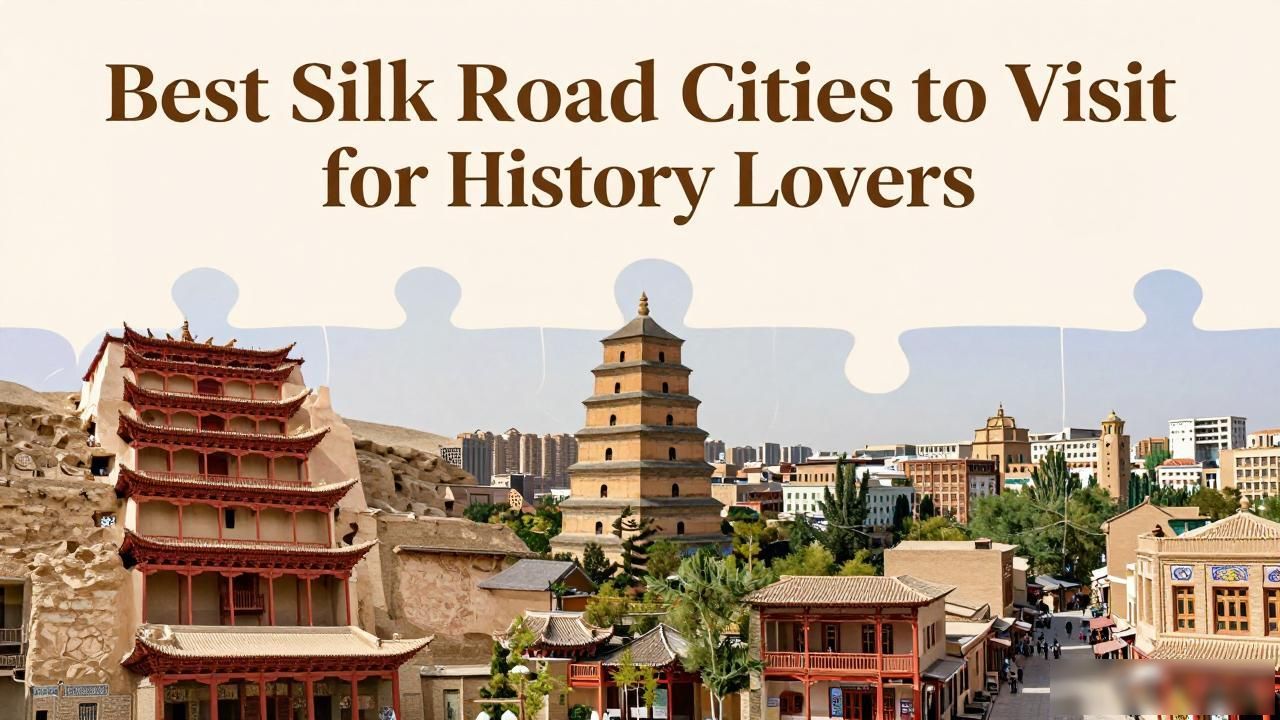
If you only have time for a few stops, start with Xi’an in China, the eastern terminus of the road. The city’s Muslim Quarter is a sensory overload of sizzling street food and bustling stalls, a direct descendant of the ancient bazaar culture. Just outside the city walls, the Terracotta Army stands as a silent reminder of the empire that commissioned the Silk Road’s earliest patrols. Do not rush this place—spend at least two days soaking in the layers of history.
Further west, Samarkand and Bukhara in Uzbekistan are non-negotiable. Samarkand’s Shah-i-Zinda necropolis is a stunning avenue of mausoleums covered in brilliant blue tiles, each one telling a story of a ruler or saint. Bukhara’s old town,with its preserved Jewish quarter and the towering Kalyan Minaret, feels frozen in time. The locals are incredibly welcoming, and you will find that many still practice crafts like silk weaving and carpet making that have not changed in centuries. A week split between these two cities will give you a deep appreciation for how trade shaped urban life.
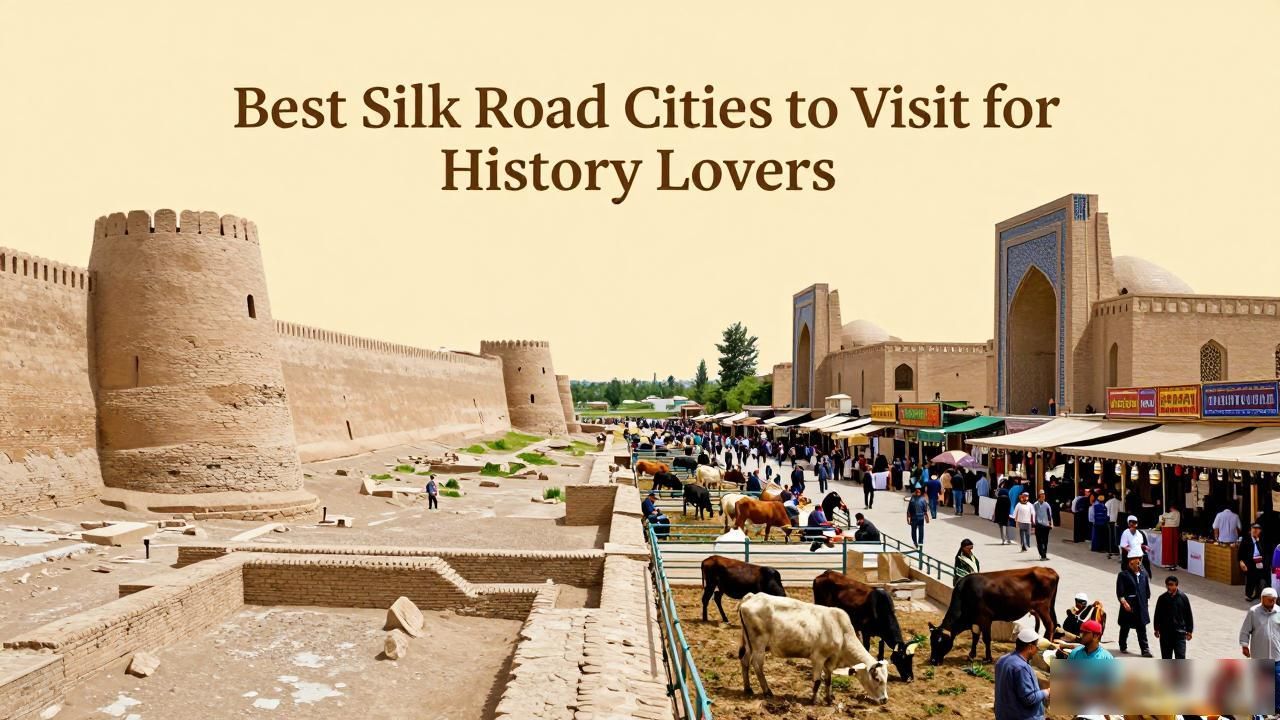
For a slightly off-the-beaten-path experience, consider Merv in Turkmenistan or Kashgar in western China. Merv is more of an archaeological site than a living city, but its ruined walls and citadels are awe-inspiring in their scale. Kashgar, meanwhile, offers the famous Sunday livestock market, where ethnic Uyghur traders still barter with the same energy as their ancestors. These places require more patience and a tolerance for rough travel, but they reward you with an authenticity that the more polished tourist hubs cannot match.
The Silk Road cities are not just destinations; they are portals into a connected world that existed long before globalization became a buzzword. Whether you are marveling at the mosaics of Samarkand or haggling for spices in Xi’an, you are participating in a tradition that is over two thousand years old. Pack comfortable shoes, bring an open mind, and let these ancient streets tell you their stories. The journey will change how you see the map of the world.