
Panda conservation has come a long way since the giant panda was first listed as endangered decades ago. Today, the wild panda population is estimated at over 1,800 individuals, and the species was downgraded from “endangered” to “vulnerable” on the IUCN Red List in 2016. But that good news doesn’t mean the work is done. Habitat fragmentation, climate change,and human development continue to threaten panda survival. This article looks at what conservation efforts are actually doing on the ground, and why your support—whether through donations, tourism, or simply spreading awareness—still makes a real difference.
What threats do pandas still face today

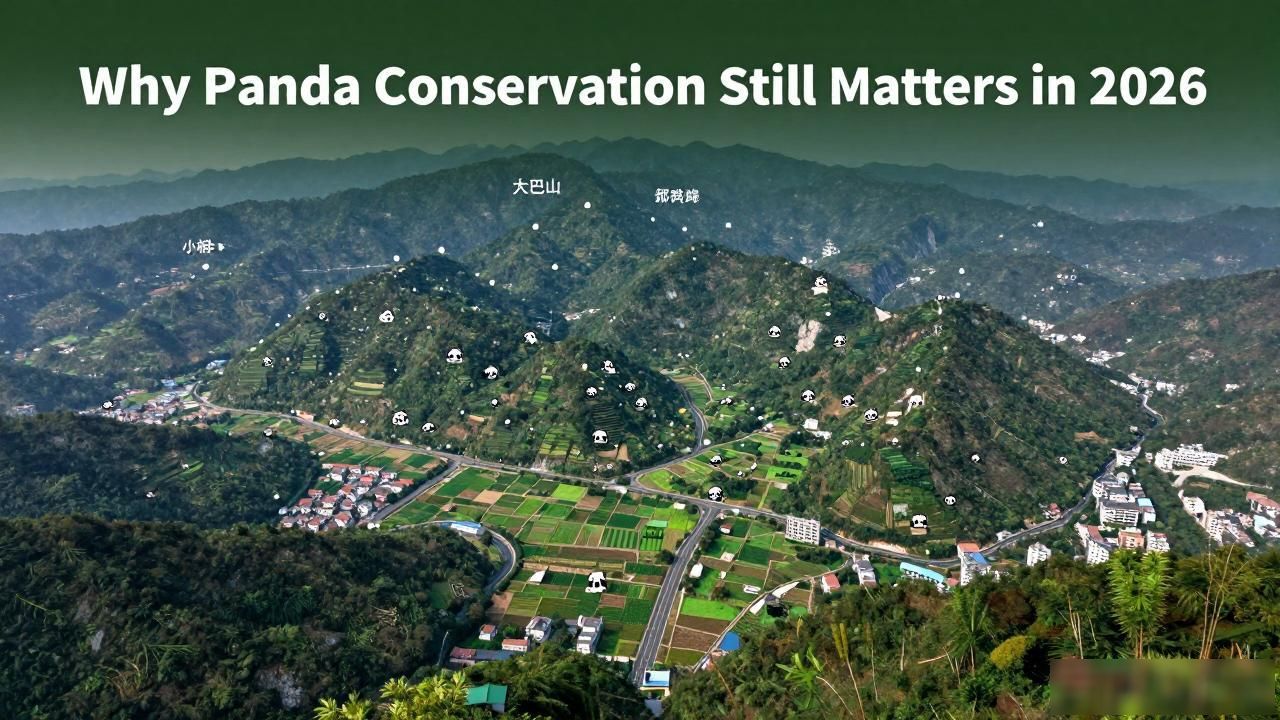
The most pressing issue is habitat loss. Panda habitats are scattered across six mountain ranges in China, and many of these forests are isolated from each other by roads, farmland, and towns. When panda populations are cut off from one another, genetic diversity drops, making them more vulnerable to disease and reducing their ability to adapt to environmental changes. A panda that can’t roam freely to find a mate or bamboo is a panda at risk.
Climate change is another quiet killer. Bamboo, which makes up 99 percent of a panda’s diet, has a limited flowering cycle. Some bamboo species flower and die all at once, and if pandas can’t move to a new area with fresh bamboo, they starve. Scientists have warned that rising temperatures could push bamboo forests to higher elevations, leaving pandas with nowhere to go. Conservation groups are now studying these shifts to plan future habitat corridors.
How can you help panda conservation efforts
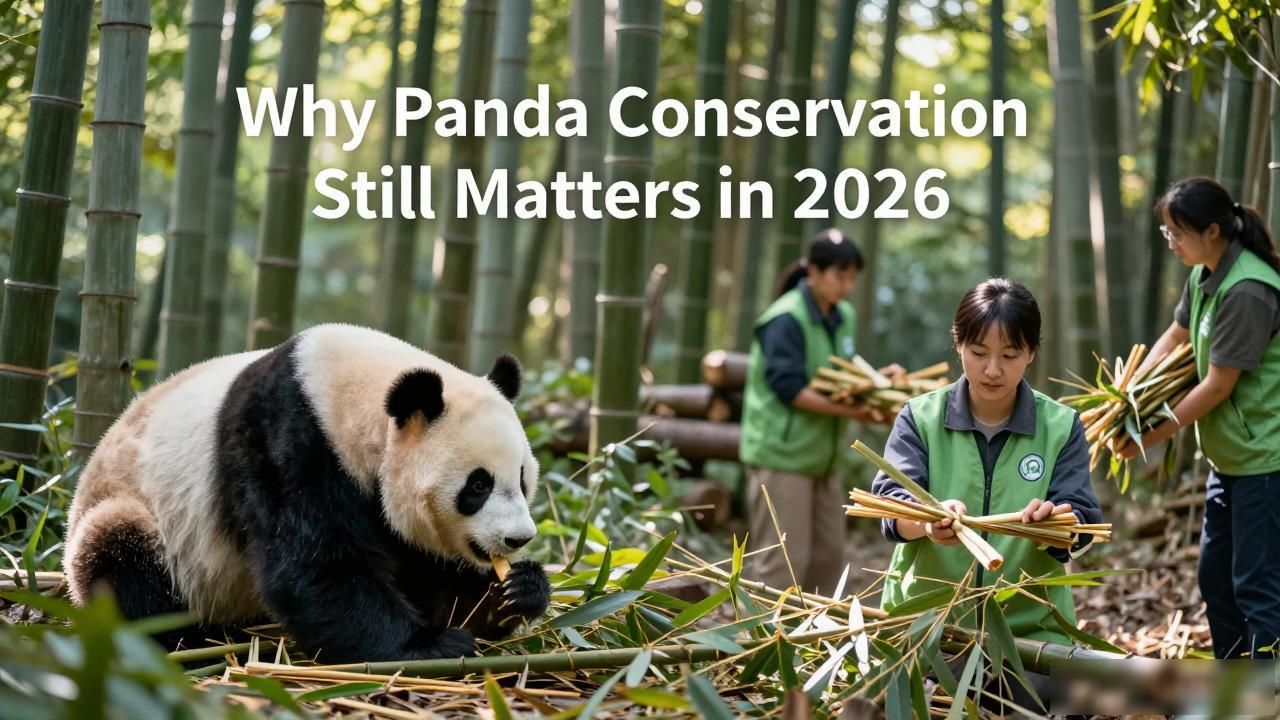
You don’t need to fly to China to make an impact. Many reputable organizations, like the World Wildlife Fund and the Chengdu Panda Base, offer symbolic adoption programs. A small monthly donation helps fund ranger patrols, bamboo planting, and veterinary care. If you’re planning a trip, visiting conservation centers that prioritize animal welfare—rather than entertainment—also supports the cause. These centers often reinvest ticket revenue into breeding programs and habitat restoration.
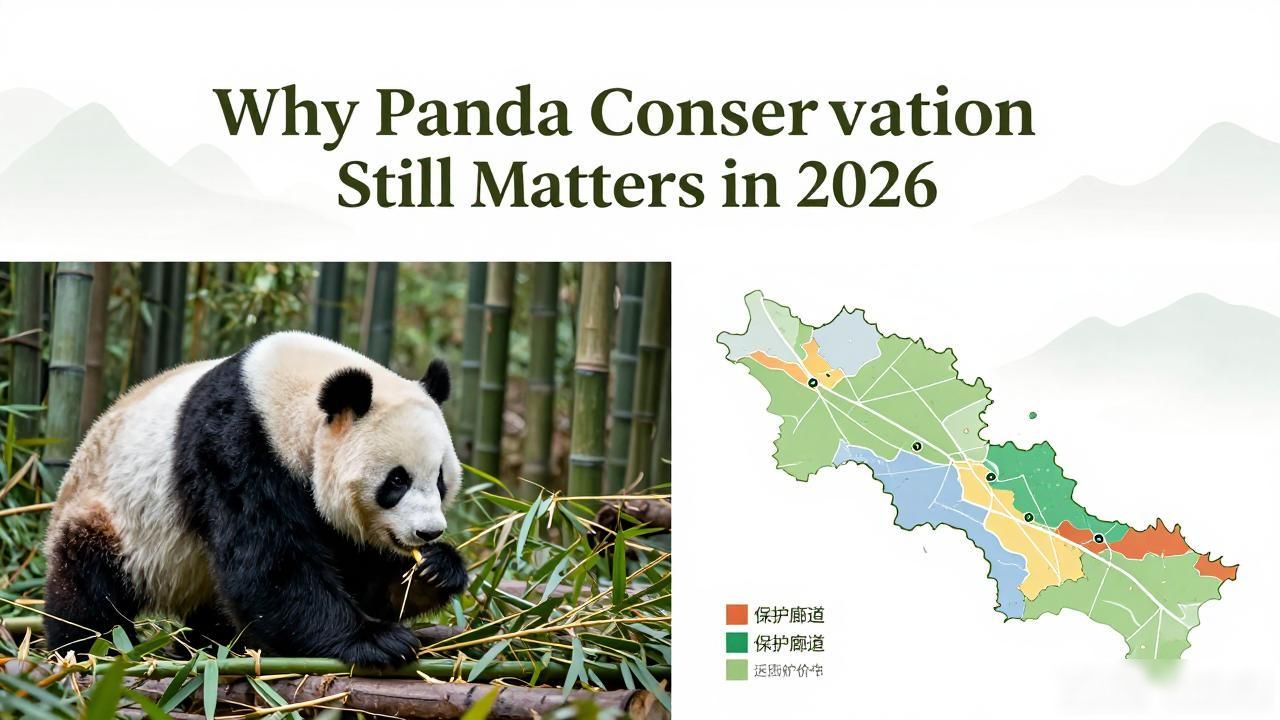
Even sharing accurate information matters. Misinformation about pandas being “bred in captivity for show” or that “they’re no longer at risk” can undermine public support. When you talk about panda conservation, focus on the facts: wild populations are recovering, but they still need protected corridors, anti-poaching measures, and community engagement with local farmers. The more people understand the complexity, the more likely they are to stay involved.
Panda conservation is not a finished story. It’s a long-term commitment that requires ongoing funding, scientific research, and public awareness. The progress we’ve seen so far proves that conservation works—but it only works as long as we keep pushing. Every dollar, every share, every informed conversation adds a small brick to the wall that keeps pandas safe. The bamboo is still growing, and so is the hope.