
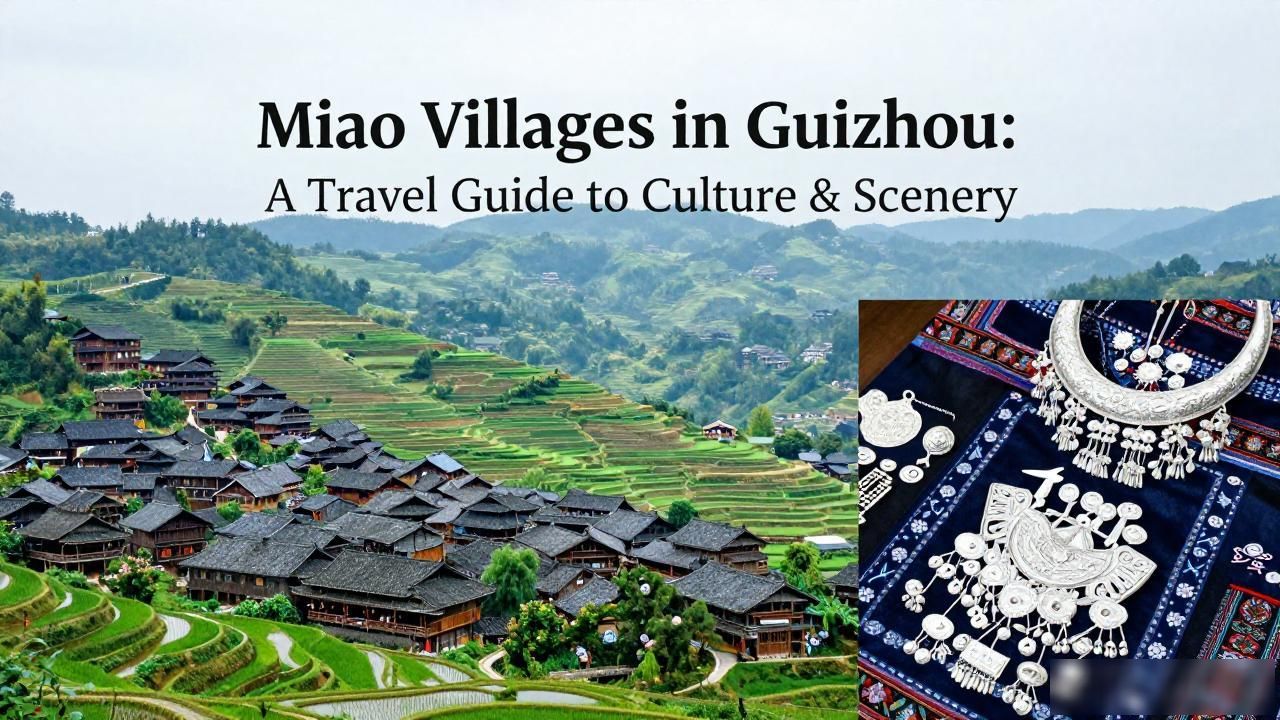
Miao villages in Guizhou are among the most culturally rich and visually stunning destinations in China. Tucked into the misty mountains of the southwest, these villages offer a rare glimpse into ancient traditions, vibrant festivals, and a way of life that has remained largely unchanged for centuries. For travelers seeking authenticity, they are a must-visit.
What makes Miao villages in Guizhou worth visiting

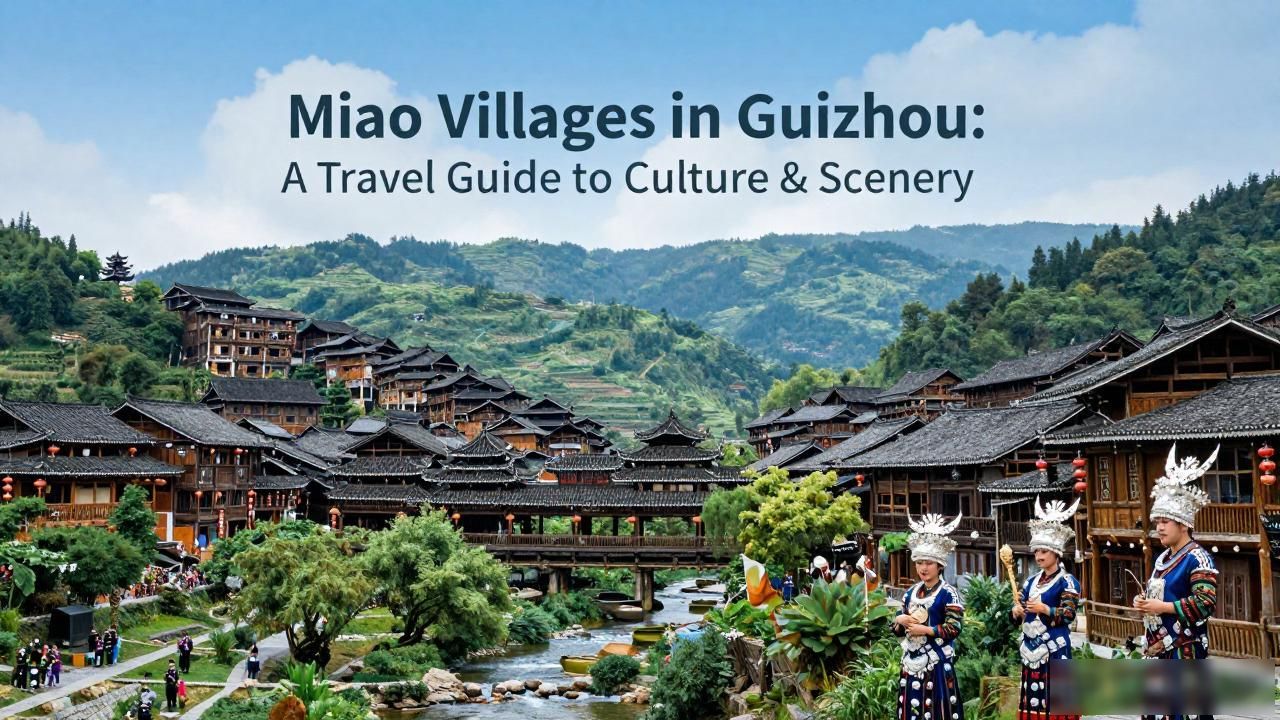
The Miao people, one of China’s largest ethnic minorities, have called Guizhou home for over two thousand years. Their villages are not just clusters of wooden stilt houses—they are living museums. Walk into Xijiang Qianhu Miao Village, the largest of its kind, and you’ll see over a thousand households layered across the hillside, their black-tiled roofs glowing in the evening light. It’s a sight that feels both grand and intimate.
Beyond the architecture, it’s the culture that pulls you in. Women in embroidered silver headdresses go about their daily chores, while the sound of lusheng (bamboo pipes) drifts from a nearby courtyard. Festivals like the Sisters’ Meal and the Lusheng Festival are not staged performances for tourists—they are genuine community events. If you time your visit right, you might be invited to join a dance or share a bowl of sour fish soup, a local specialty.
How to plan a trip to Miao villages in Guizhou
Getting there is part of the adventure. The nearest major hub is Kaili,a city in southeastern Guizhou, which you can reach by high-speed train from Guiyang. From Kaili, local buses or private drivers can take you to villages like Langde, Xijiang, or the more remote Zhaoxing Dong Village (though that’s technically Dong, not Miao). For a deeper experience, consider staying overnight in a family-run guesthouse. The rooms are simple, but waking up to the sound of roosters and the sight of mist rolling over the rice terraces is unforgettable.
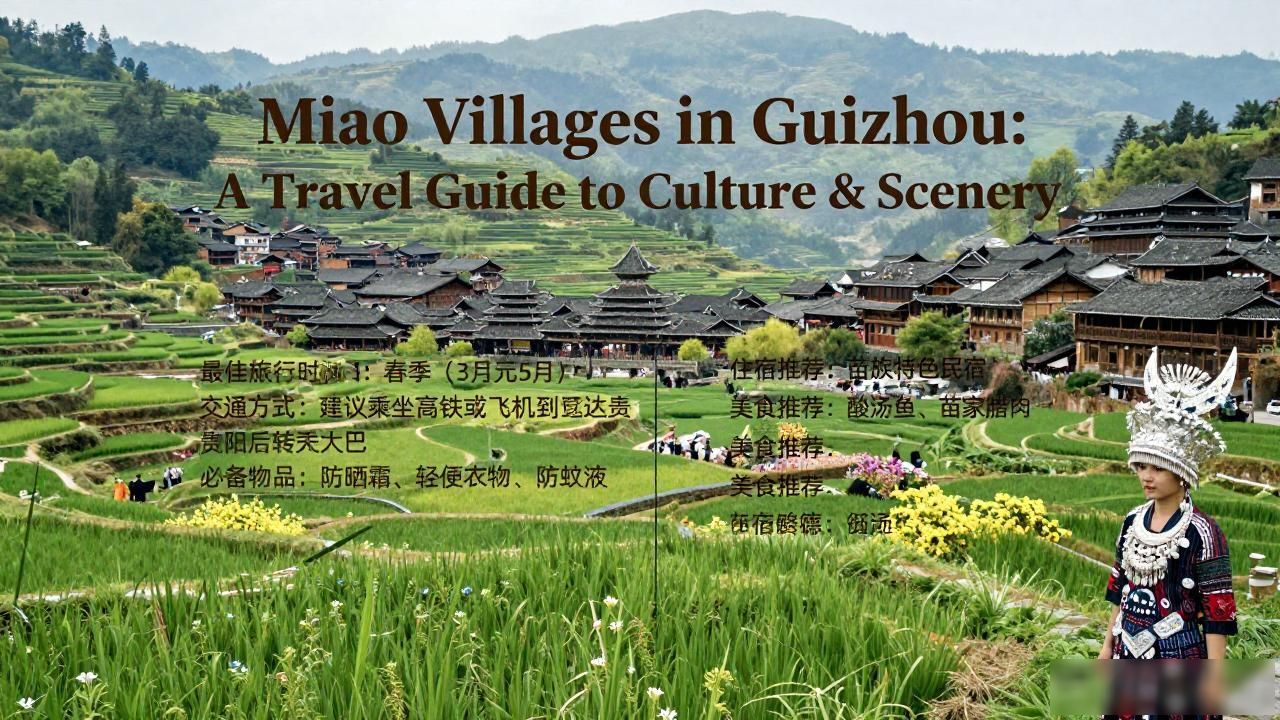
Practical tips: learn a few phrases in the local Miao dialect—a simple “thank you” goes a long way. Bring cash, as many villages have limited ATM access. And be respectful when taking photos; always ask first, especially during ceremonies. The best times to visit are spring (for the green terraces) and autumn (for harvest celebrations). Avoid major Chinese holidays if you prefer fewer crowds.
Miao villages in Guizhou are not just places to see—they are places to feel. The warmth of the people, the rhythm of the seasons, and the depth of tradition stay with you long after you leave. Whether you’re a culture seeker, a photographer, or simply a curious traveler, these villages offer an experience that is both humbling and inspiring. Go with an open mind, and you’ll return with more than just photos—you’ll carry a piece of their world with you.