
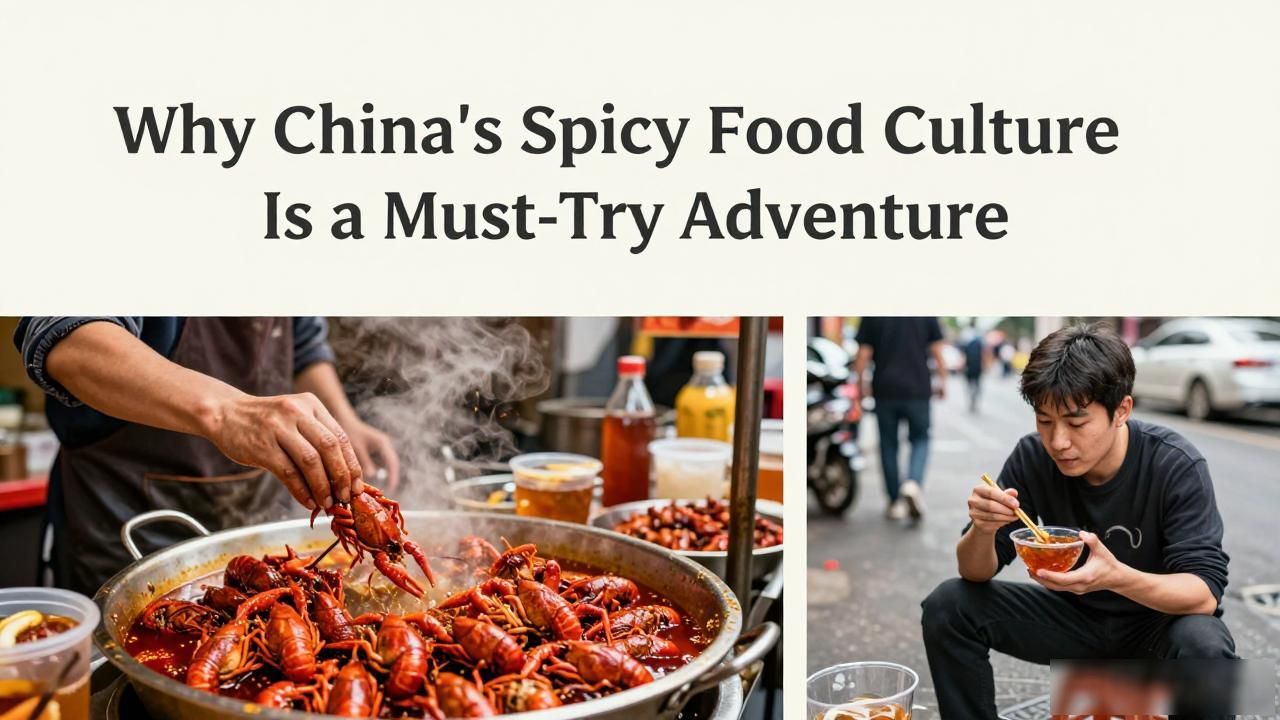
When most people think of Chinese food, they picture sweet and sour pork or fried rice. But the real heart of Chinese cuisine, especially for those who love a fiery kick, beats in the provinces where chili peppers reign supreme. Spicy food in China isn’t just about heat—it’s a deep, historical, and regional identity that shapes how millions of people eat, socialize, and even think about health. Understanding this culture is the key to unlocking a whole new level of culinary appreciation.
What makes Sichuan and Hunan food so different
The two most famous spicy regions in China are Sichuan and Hunan, but they are not the same kind of hot. Sichuan cuisine is famous for the “mala” sensation—a numbing spiciness created by the Sichuan peppercorn, which makes your lips tingle while the chilies burn. This is a complex, layered heat that builds slowly and leaves a lasting, almost addictive afterglow. Think of dishes like mapo tofu or the bubbling pots of spicy hot pot, where you dip meats and vegetables into a broth that is both oily and intensely aromatic.
Hunan food, on the other hand, is more straightforwardly hot. It uses fresh chilies, pickled chilies, and dried chilies in abundance, creating a dry, direct heat that hits you immediately. The flavor is often smoky and earthy, with a focus on the chili itself rather than the numbing spices. A classic example is the famous “Chairman Mao’s braised pork,” which is rich, fatty,and loaded with dried red peppers. For a foreigner, trying both is a crash course in how diverse “spicy” can actually be.

Why locals believe spicy food is good for your health
You will often hear Chinese people say that eating spicy food helps you “drive out dampness” from your body. This is especially important in the humid climates of Sichuan and Hunan, where the weather can make you feel sluggish and heavy. The sweating that comes from a good spicy meal is seen as a natural way to cleanse the system. While Western medicine might not fully support this theory, the cultural belief is so strong that it influences daily eating habits. Locals will order extra chilies in the summer, not less, to help them cool down through perspiration.
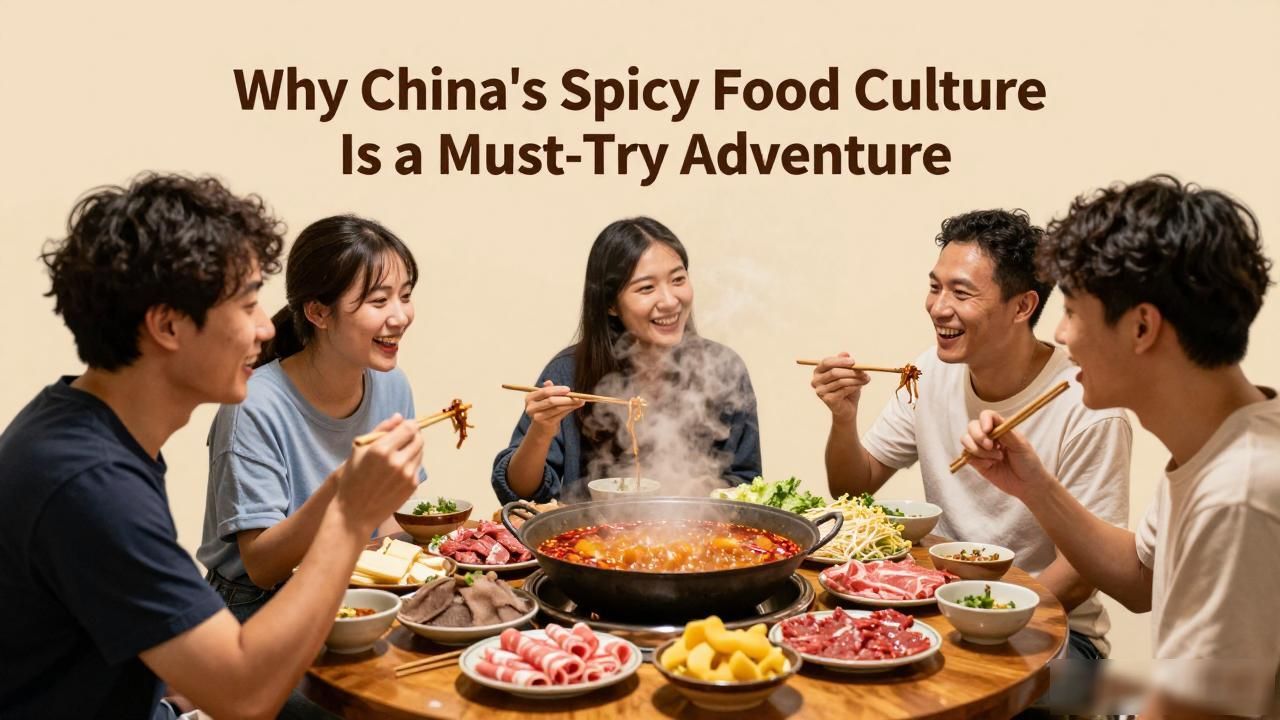
Beyond the health aspect, spicy food is a social glue. Sharing a hot pot is a communal activity that brings people together. The heat forces you to slow down, drink tea, and talk with your friends while you wait for your food to cool. It creates a bond through shared discomfort and enjoyment. For a traveler, joining a local for a spicy meal is not just about eating—it’s about participating in a ritual that has been passed down for generations. The burn is a reminder that you are alive, and the meal is an experience you won’t quickly forget.
Spicy food in China is a journey through history, climate, and human connection. It challenges your palate and rewards you with flavors that are bold, comforting, and unforgettable. So next time you see a menu with a little red pepper icon, don’t be afraid. Order it, sweat through it, and you might just find yourself craving that burn long after you’ve left the table.