
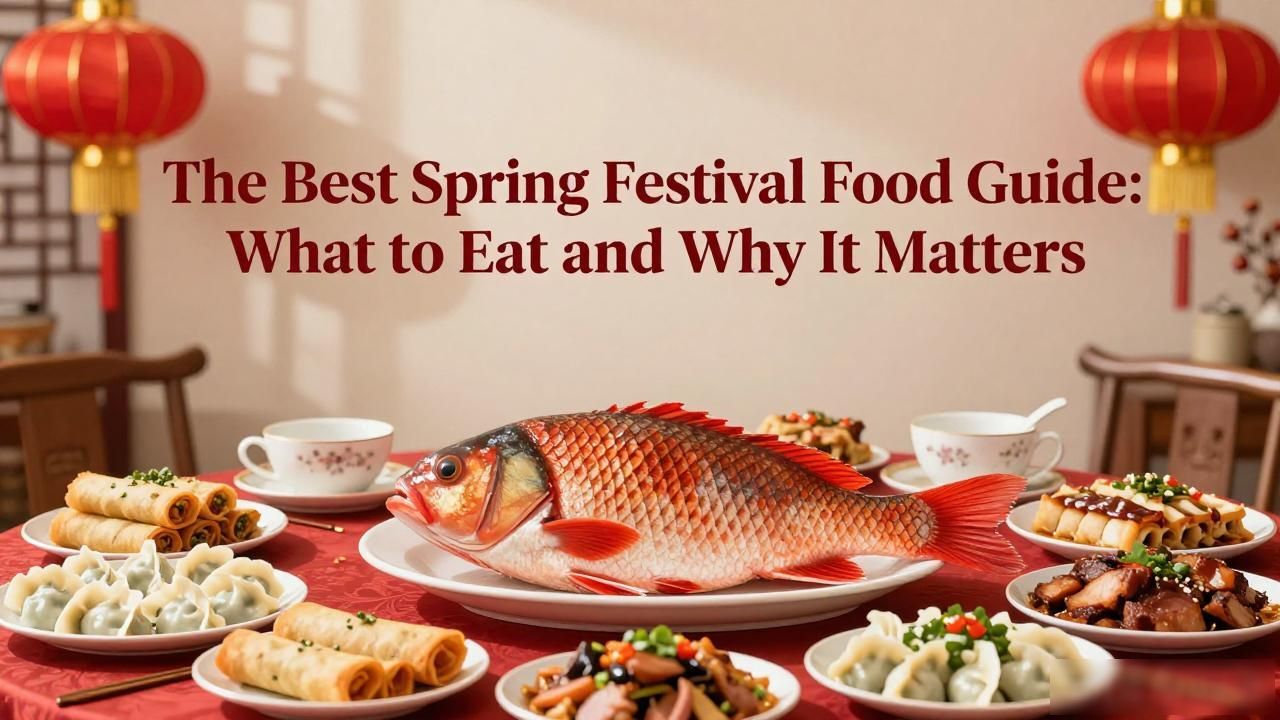
Every year, millions of families across China sit down to the most important meal of the year—the Spring Festival reunion dinner. It’s not just about filling your stomach. The food served during Chinese New Year carries deep meaning, from wishes for wealth to hopes for togetherness. If you’re curious about what makes this feast so special, or you’re planning to celebrate with Chinese friends, this guide breaks down the essential dishes and the stories behind them.
Why Spring Festival Food Is More Than Just a Meal

The dishes on the table during Chinese New Year are chosen with care because each one symbolizes something specific. Fish, for example, is a must-have. The Chinese word for fish, “yu,” sounds like the word for surplus or abundance. Serving a whole fish—head and tail intact—represents a good start and a good end to the year. It’s common to leave a little bit uneaten, to “save” some luck for the coming months.
Dumplings are another staple, especially in northern China. Their shape resembles ancient Chinese silver ingots, so eating them is believed to bring wealth. Families often hide a coin inside one dumpling, and whoever finds it is said to have extra good fortune in the new year. Making dumplings together is also a family activity, with everyone pitching in to wrap and boil them while catching up on the year’s news.
How to Enjoy Spring Festival Food Like a Local
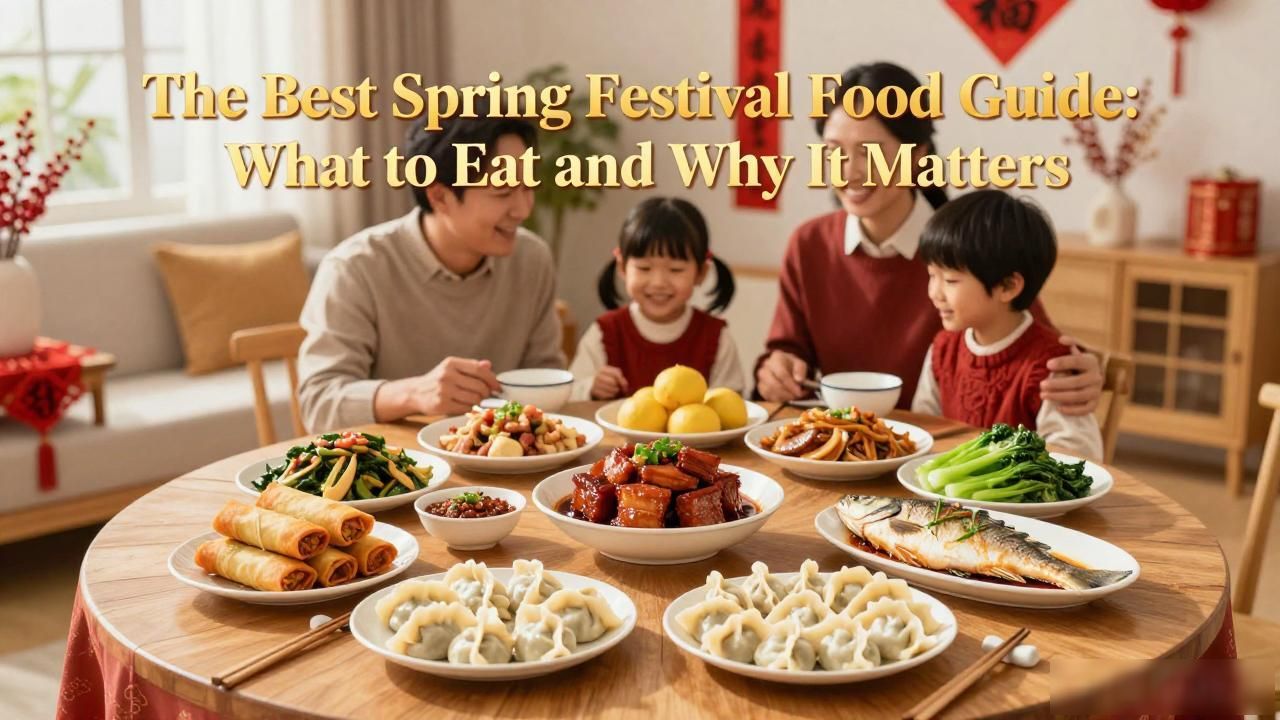
If you’re joining a Chinese family for the holiday, don’t be surprised by the sheer amount of food. A typical table might have eight to ten dishes, and sometimes more. The number eight is lucky because it sounds like the word for “prosper.” You’ll also see spring rolls, which represent gold bars, and sweet rice cakes called “niangao,” which symbolize rising higher each year—whether in career, grades,or personal growth.
When you’re at the table, pace yourself. The meal is long and meant to be savored, not rushed. Try a little of everything, and pay attention to how dishes are served. In many families, the elders eat first as a sign of respect. If you’re offered food, it’s polite to accept at least a small portion. And don’t forget the drinks—toasting with baijiu or tea is common, and you’ll often hear “ganbei,” which means “bottoms up.”
One thing to remember: don’t finish the fish completely. Leaving a bit on the plate is a way of saying there’s always more to come. It’s a small gesture, but it shows you understand the deeper meaning of the meal. Also, avoid using chopsticks to point at people or sticking them upright in a bowl of rice—that resembles incense burning at a funeral and is considered bad luck.
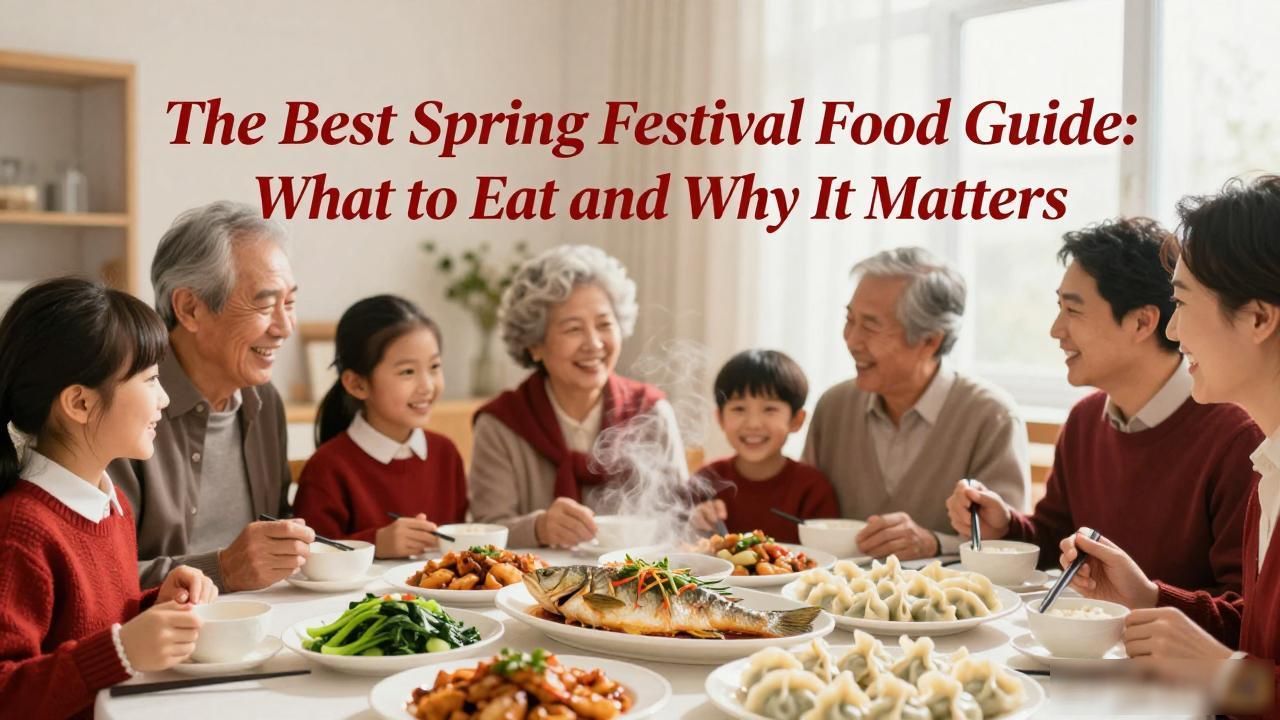
If you’re cooking at home, start with simple dishes. Stir-fried greens, a whole steamed fish, and a pot of dumplings are enough to create a festive atmosphere. You don’t need every traditional dish to feel the spirit of the holiday. What matters most is gathering with people you care about and sharing a meal that carries hope for the year ahead.
Spring Festival food is a window into Chinese culture. Every bite tells a story, and every dish is a wish. Whether you’re eating out or cooking in, the heart of the celebration is the same: gratitude for the past year and optimism for the next. So pull up a chair, fill your plate, and enjoy the flavors of good fortune.