
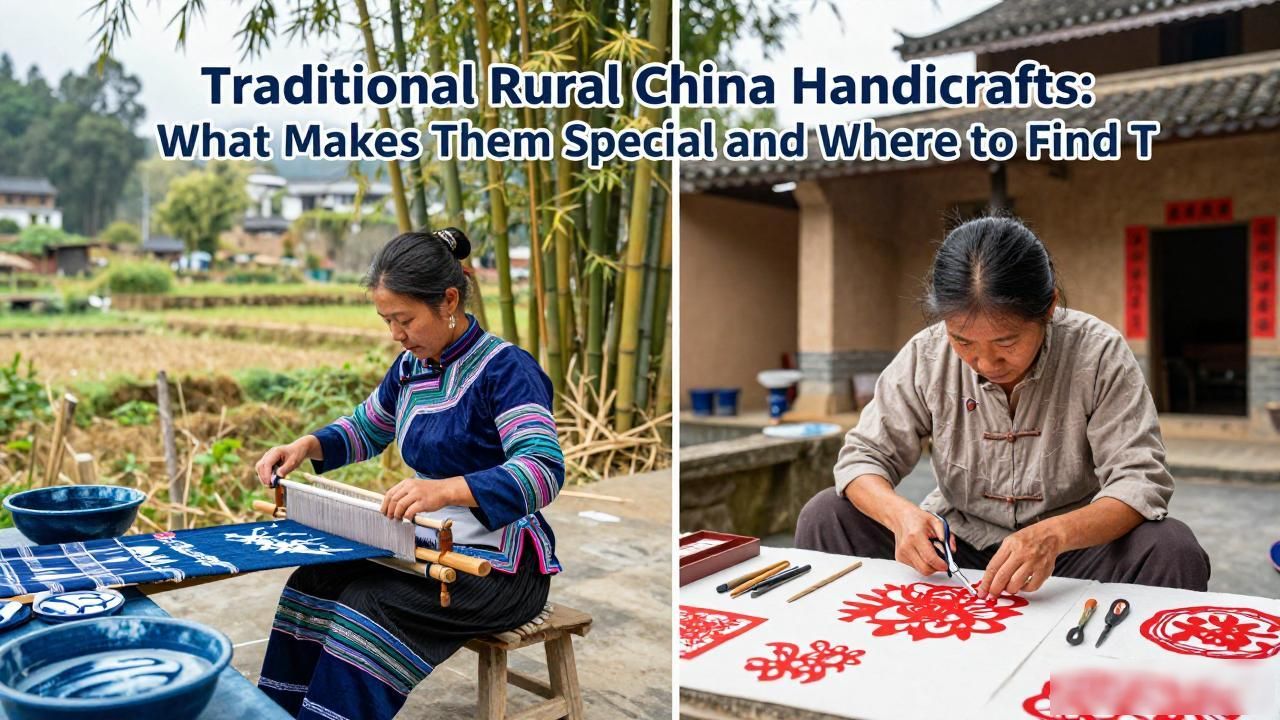
When travelers think of China, they often picture skyscrapers, spicy food, or the Great Wall. But step away from the big cities, and you will find a quieter treasure: rural China handicrafts. These are objects made by hand in villages—woven baskets, dyed fabrics, carved wood, clay pots, and embroidered shoes. They are not mass-produced. Each piece carries the mark of a local artisan, a specific region, and a way of life that has survived for centuries. For foreign buyers, collectors, or cultural travelers, these crafts offer something rare: authenticity, history, and a human touch that factories cannot copy.
Why rural crafts carry deep cultural meaning

Every village in China has its own craft tradition, often tied to local materials and seasonal rhythms. In Yunnan, the Dai people weave cotton with natural indigo dyes, creating patterns that tell stories of rivers and forests. In Shaanxi, paper-cutting artists use scissors to transform red paper into symbols of luck for weddings and harvests. These are not random decorations. They are functional objects used in daily life—baskets for carrying grain, quilts for cold winters, pottery for brewing tea. When you buy a rural handicraft, you are not just buying an item. You are buying a piece of a community’s memory and skills that were passed down from grandparents to grandchildren.
The value also lies in the imperfection. A hand-stitched seam may not be perfectly straight. A wooden bowl may show the grain of the tree it came from. This is not a flaw. It is proof that a person made it, not a machine. For many foreign customers, this is exactly what they want—something that feels personal and connected to a place,rather than another identical product from a global supply chain.
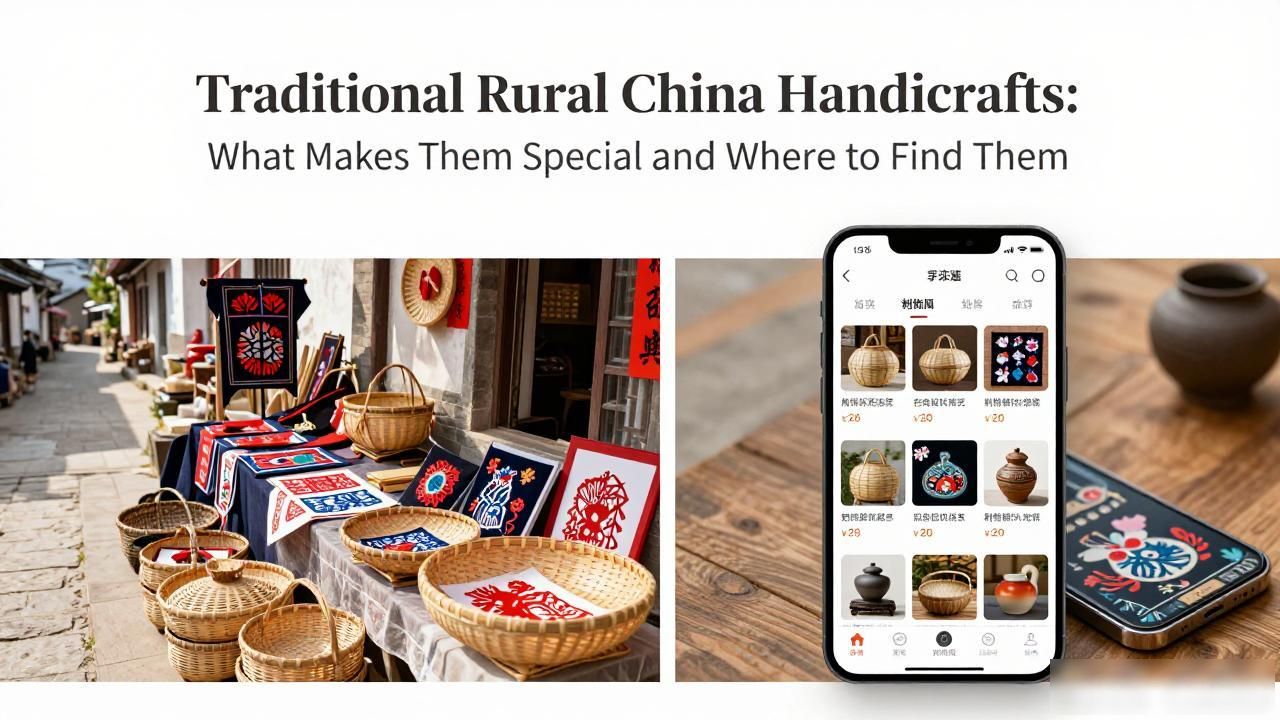
How to find genuine rural handicrafts online and in person
Finding authentic pieces requires a bit of effort, but it is worth it. Online platforms like Taobao and Etsy have dedicated sections for “ethnic crafts” or “village handmade goods,” but you need to check seller reviews and ask for photos of the workshop. Many artisans also sell through social media accounts on WeChat or Douyin, where they show the making process live. If you are in China, local craft markets in small towns—especially in provinces like Guizhou, Sichuan, and Fujian—are the best places to buy directly. There, you can talk to the maker, learn about the materials, and even watch a demonstration.
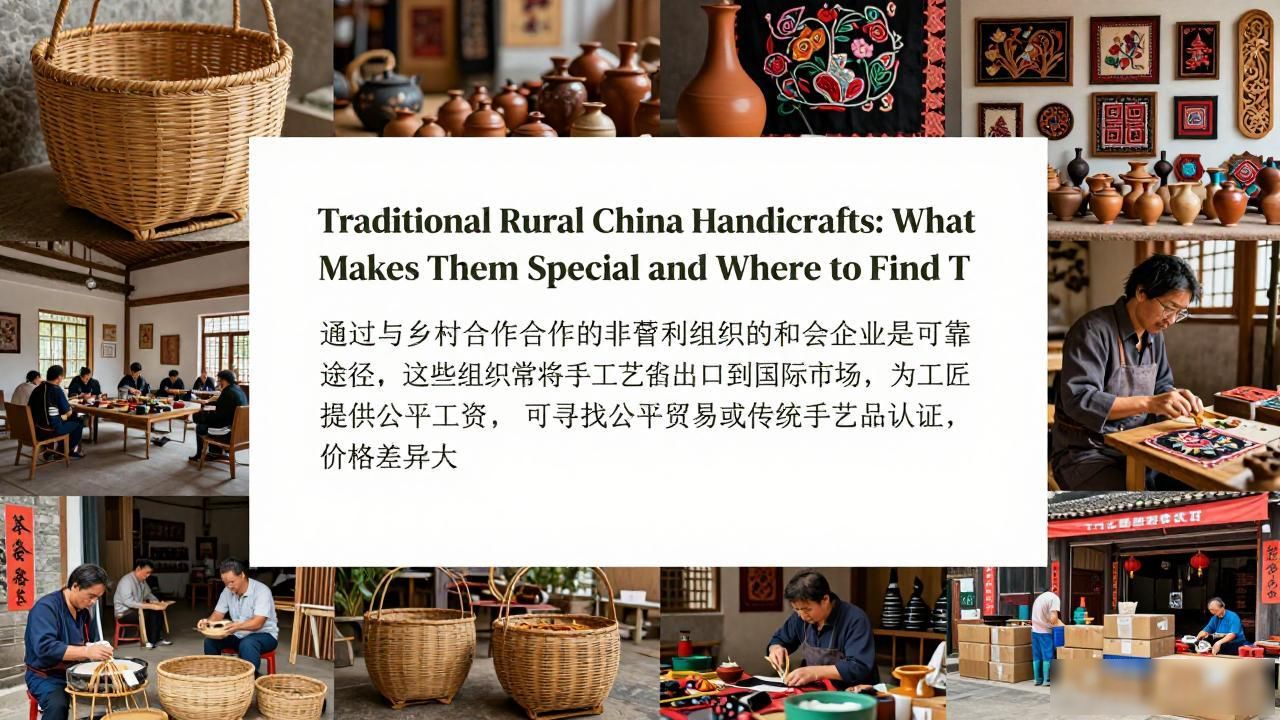
Another reliable route is through non-profit organizations and social enterprises that partner with village cooperatives. These groups often export crafts to international markets, ensuring fair wages for the artisans. Look for certifications like “Fair Trade” or “Heritage Craft” labels. Prices vary widely. A small woven bracelet might cost five dollars, while a hand-carved wooden chest could run several hundred. The key is to understand what you are paying for: hours of labor, rare materials, and a skill that is slowly disappearing. That awareness makes each purchase more meaningful—and more honest.