
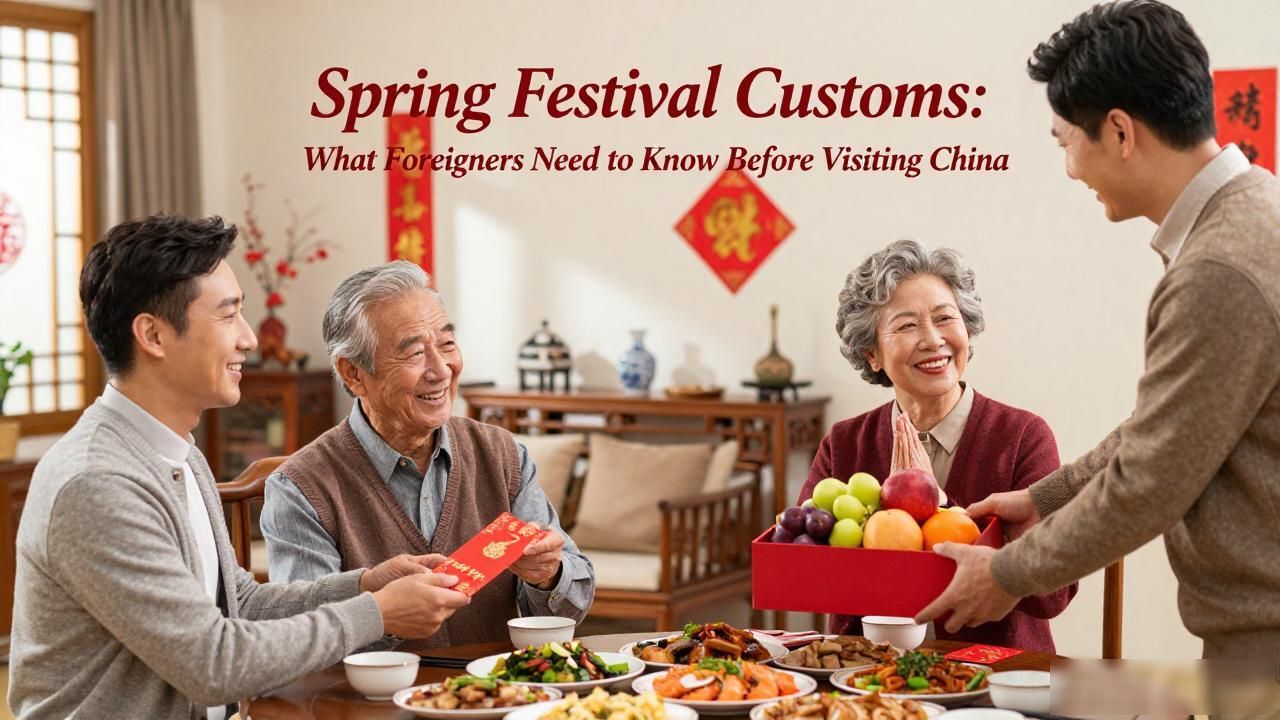
If you’re planning a trip to China during the Lunar New Year, you’re about to step into the most important holiday of the year. Spring Festival customs are deeply rooted in thousands of years of tradition, and understanding them will completely change how you experience the celebration. From the food on the table to the red envelopes in everyone’s hands, every custom carries a story worth knowing.
Why Are Red Envelopes So Important During Spring Festival
The red envelope, or hongbao, is the heart of Spring Festival gift-giving. Adults give these small red packets filled with money to children and unmarried young people. The color red symbolizes good luck and wards off evil spirits, which is why you’ll see it everywhere during the holiday. But here’s the thing — it’s not about the amount of money. A crisp new bill inside a beautifully designed envelope shows care and respect, and the act of giving is far more meaningful than the cash itself.

When someone hands you a red envelope, always accept it with both hands and say thank you. Don’t open it right away — that’s considered rude. And if you’re invited to a family dinner,bring a small gift like fruit or tea instead of red envelopes, since giving money to your hosts could feel awkward. The custom is specifically for elders to bless the younger generation, so don’t worry about reciprocating with cash.
What Foods Are Traditionally Eaten During Spring Festival
Food plays a starring role in Spring Festival celebrations, and every dish on the table has a symbolic meaning. Dumplings, or jiaozi, are the absolute must-have for families in northern China. Their shape resembles ancient silver ingots, so eating them is believed to bring wealth in the coming year. Families often hide a coin inside one dumpling, and whoever finds it gets extra luck for the year ahead.
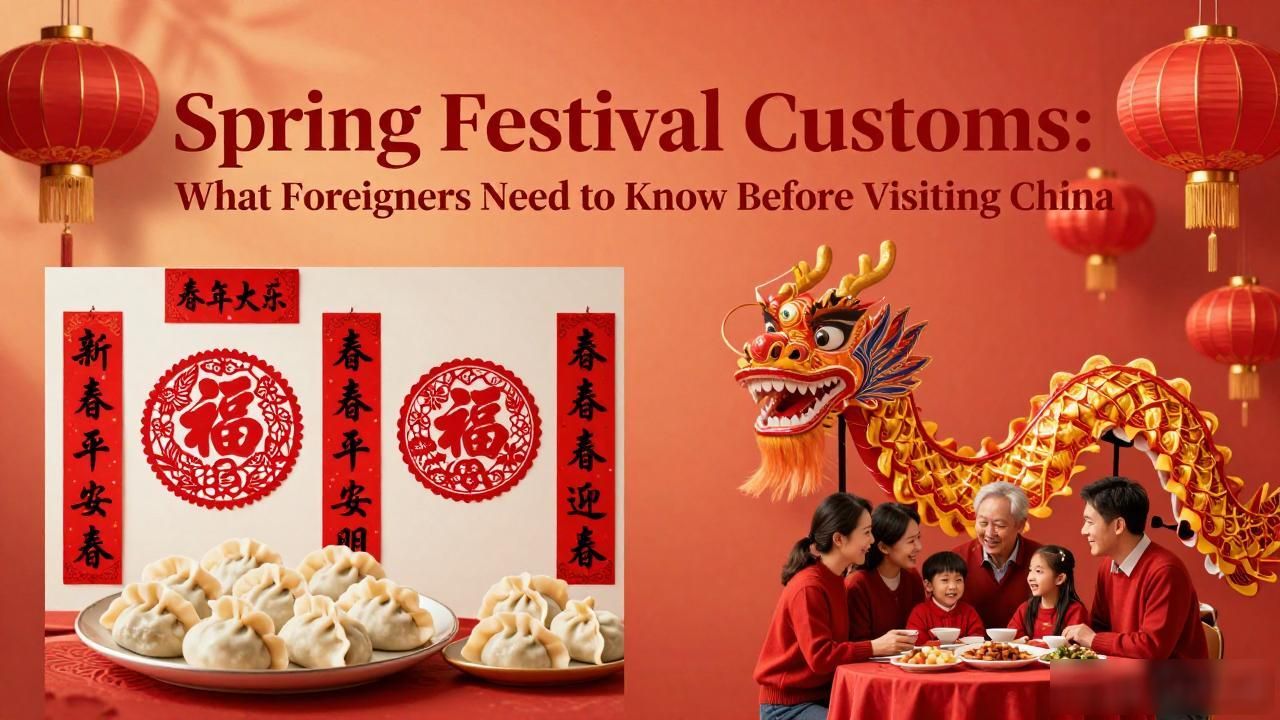
In southern China, the focus shifts to niangao, a sticky rice cake whose name sounds like “getting higher year by year.” Fish is another essential dish — the Chinese word for fish, yu, sounds like “surplus,” so serving a whole fish means you’ll have abundance left over. The fish is usually the last dish served and is often left partially uneaten to symbolize that point. If you’re invited to a Spring Festival meal, try a little of everything and compliment the host on the fish — it’s an easy way to show you understand the culture.
How Do Families Celebrate Spring Festival at Home
The days leading up to Spring Festival are just as important as the holiday itself. Families clean their homes thoroughly to sweep away bad luck from the previous year, then decorate with red couplets, paper cuttings, and lanterns. On New Year’s Eve, everyone gathers for a reunion dinner that can last for hours. After the meal, many families stay up late to welcome the new year, watching the CCTV Spring Festival Gala or setting off firecrackers.
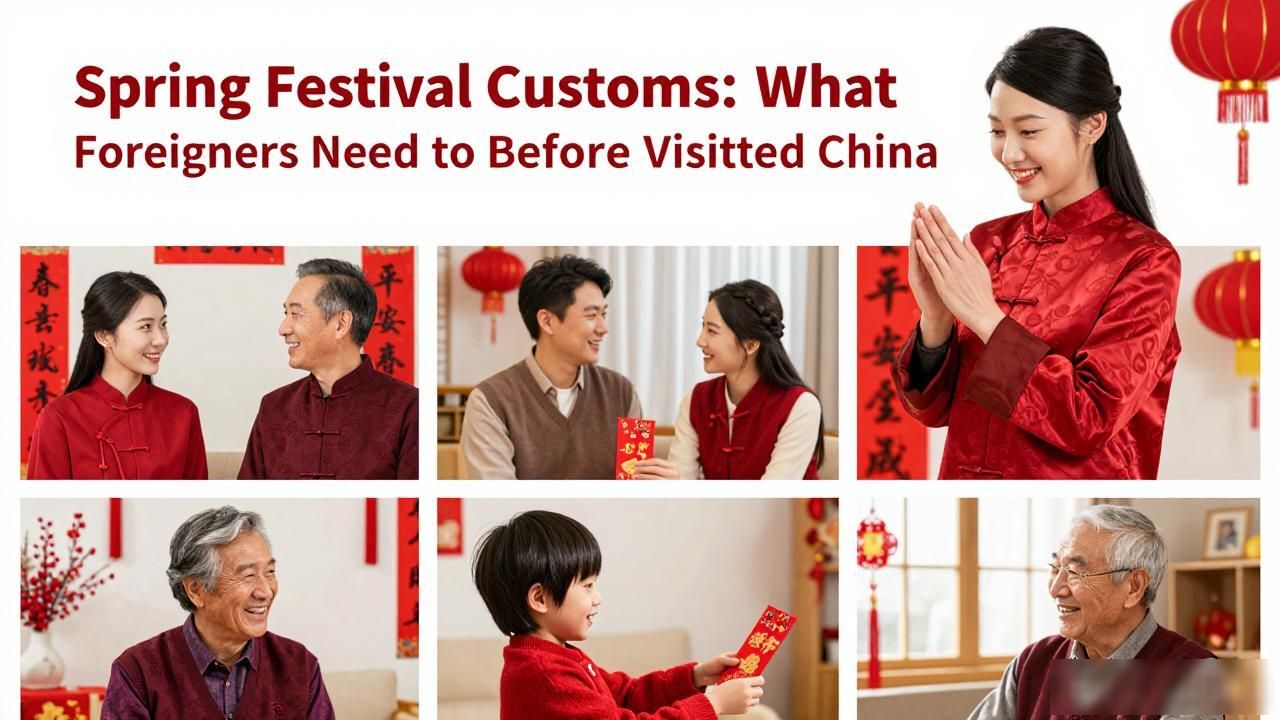
The first few days of the new year are reserved for visiting relatives and friends. People wear new clothes — red is the most popular color — and exchange greetings like “Xin nian kuai le” (Happy New Year). Children receive red envelopes from their elders, and in return, they offer blessings and good wishes. If you’re visiting a Chinese home during this time, bring a small gift and be ready to eat more than you thought possible. The hospitality is genuine, and refusing food is seen as rejecting the family’s goodwill.
Understanding these Spring Festival customs will help you connect with local families on a much deeper level. The holiday is about gratitude, family bonds, and hope for the future — values that transcend culture and language. Whether you’re watching fireworks from a city rooftop or sharing dumplings at a family table, you’ll find that the spirit of Spring Festival is warm, generous, and impossible to forget.