
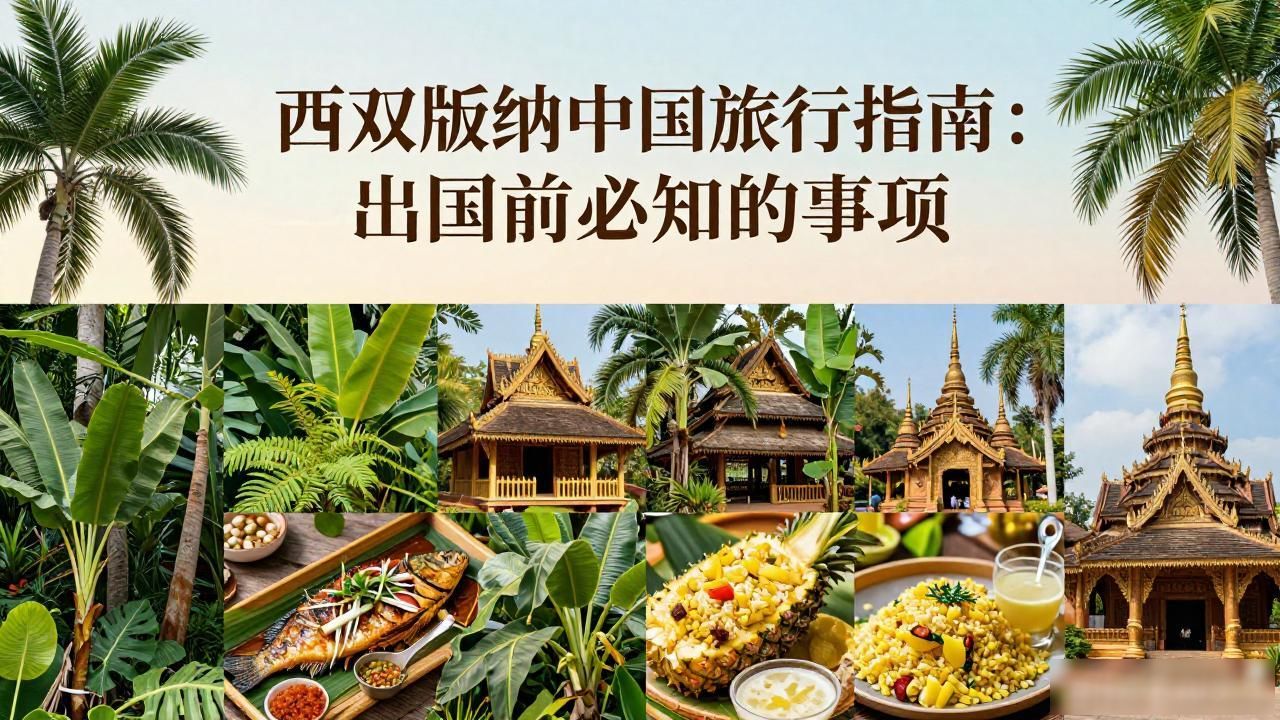
Xishuangbanna, tucked into the southern tip of Yunnan Province, is one of China’s most unique destinations—a tropical paradise where rainforests meet the Mekong River and where Dai culture thrives alongside wild elephants. If you’re planning a trip here, you’re likely looking for practical,honest advice on what to see, how to get around, and what makes this place different from the rest of China. This guide covers the essentials without the fluff.
What is Xishuangbanna China famous for

The first thing you’ll notice is the heat. Unlike Beijing or Shanghai, Xishuangbanna stays warm year-round, with a lush, humid climate that supports dense jungle and rubber plantations. The region’s crown jewel is the Wild Elephant Valley, where you can spot Asian elephants roaming freely in their natural habitat—a rare sight anywhere in Asia. But the real draw isn’t just the wildlife; it’s the culture. The Dai people, who make up a large part of the local population, have their own language, cuisine, and festivals, most notably the Water Splashing Festival in April, which marks their New Year.
Beyond that, the Mekong River runs straight through the area, and a sunset cruise or a stroll along the riverside in Jinghong, the main city, gives you a feel for the cross-border trade with Laos and Myanmar. The night markets are packed with tropical fruit, grilled fish, and handwoven textiles—perfect for soaking up the local vibe.
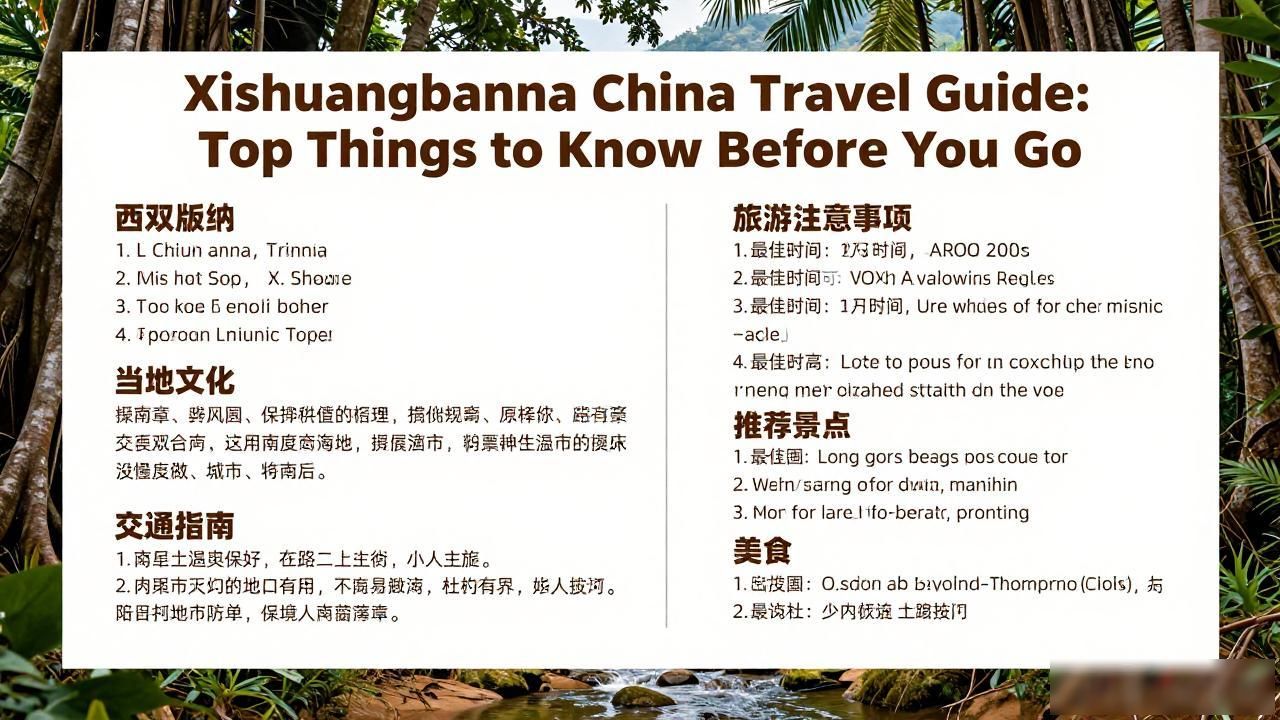
How to plan a trip to Xishuangbanna China
Getting there is easier than you’d think. The Xishuangbanna Gasa International Airport connects directly with major cities like Kunming, Chengdu, and even Bangkok, so you won’t need to endure a long overland journey unless you want to. Once you’re in Jinghong, most attractions are within a 30-to-60-minute drive, but public transport is limited, so hiring a private driver or joining a small group tour is the smartest move. Budget around 200-300 RMB per day for a decent driver who knows the area well.
For your itinerary, spend at least three days. Day one: hit the Wild Elephant Valley and the nearby Dai villages, where you can try bamboo rice and see traditional stilt houses. Day two: head to the Menglun Botanical Garden, a massive tropical plant collection that feels like a walk through a living museum. Day three: take a boat trip on the Mekong or visit the Manting Park and the Dai King’s Garden in town. If you have extra time, the border town of Mohan offers a glimpse into cross-border trade, but it’s not a must-see.
One practical tip: pack light, breathable clothing, strong insect repellent, and rain gear—sudden downpours are common even in the dry season. And don’t skip the local food; the Dai-style grilled fish and sour-spicy salads are unlike anything you’ll find elsewhere in China, and they’re best enjoyed at the riverside stalls after dark.
If you’re looking for a China experience that feels completely different from the typical temple-and-city circuit, Xishuangbanna delivers. It’s raw, vibrant, and refreshingly unpolished—just come prepared for the heat and the humidity, and you’ll leave with memories that stick.