
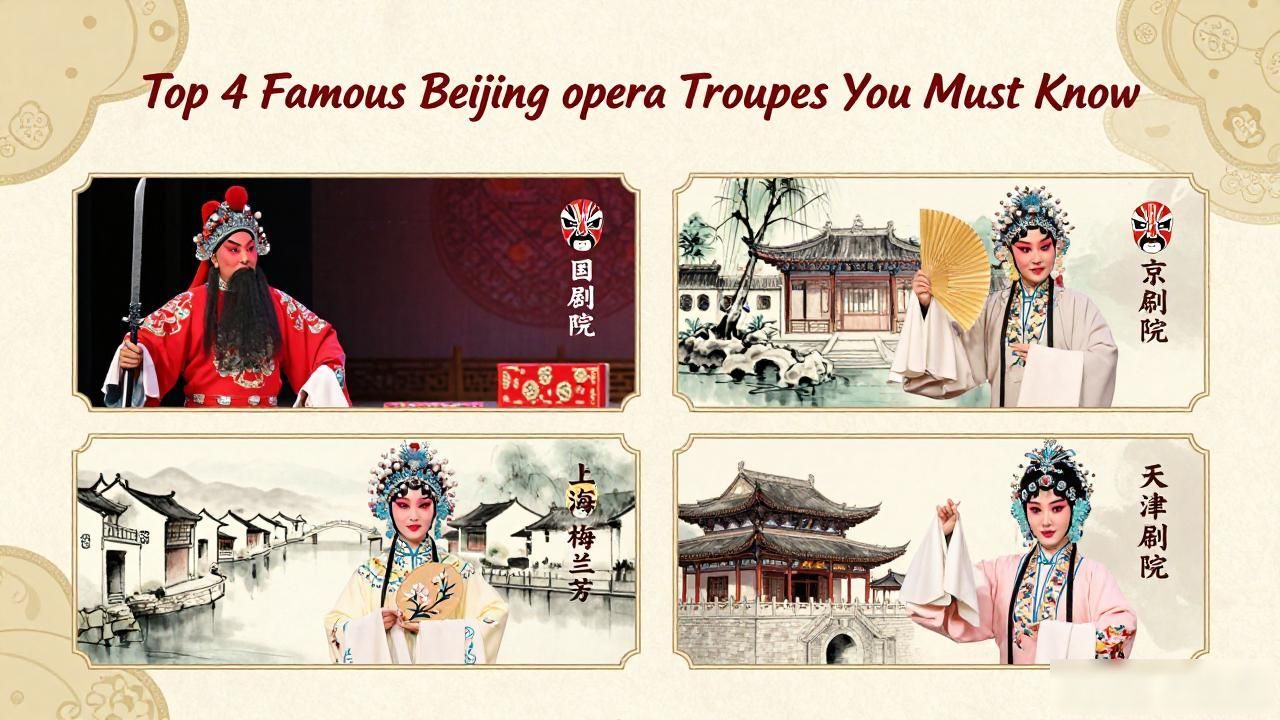
Beijing Opera, known as Jingju, is a treasure of Chinese culture. For foreigners, stepping into this world can feel overwhelming. The costumes are bright, the singing is unique, and the stories are ancient. But behind the spectacle are specific groups that define the art form. These troupes have preserved traditions while innovating for modern audiences. Understanding them helps you appreciate the depth of the performance. It is not just about watching; it is about knowing who keeps the flame alive.
Why Are Peking Troupe and National Theatre Famous?

The Peking Troupe stands as a giant in the industry. Founded in the late 19th century, it has hosted many legendary performers. Their repertoire is vast, covering historical dramas and moral tales. When you see their name, you expect high production values and skilled actors. They often tour internationally, bringing the art to global stages. This exposure makes them a primary reference for newcomers. Their commitment to authenticity attracts purists, while their adaptability draws casual viewers.
The National Centre for the Performing Arts in Beijing offers a different experience. Here, the focus is on grandeur and technical precision. The stagecraft is modern, utilizing advanced lighting and sound. Yet,the core remains traditional. Actors from various schools come together here. This collaboration creates a rich tapestry of styles. It is a place where the elite of the opera world gather. Watching a show here feels like witnessing history in the making.
Which Other Troupes Define Beijing Opera?
Shanghai Jingju Theatre Company brings a distinct flavor. Shanghai is a cosmopolitan city, and its opera reflects that. The style is slightly more flexible and expressive. Performers here are known for their emotional depth. They often experiment with new narratives while respecting old forms. This troupe appeals to those who want a blend of tradition and modernity. Their international tours have made them stars in Europe and America. They show that Beijing Opera can evolve without losing its soul.
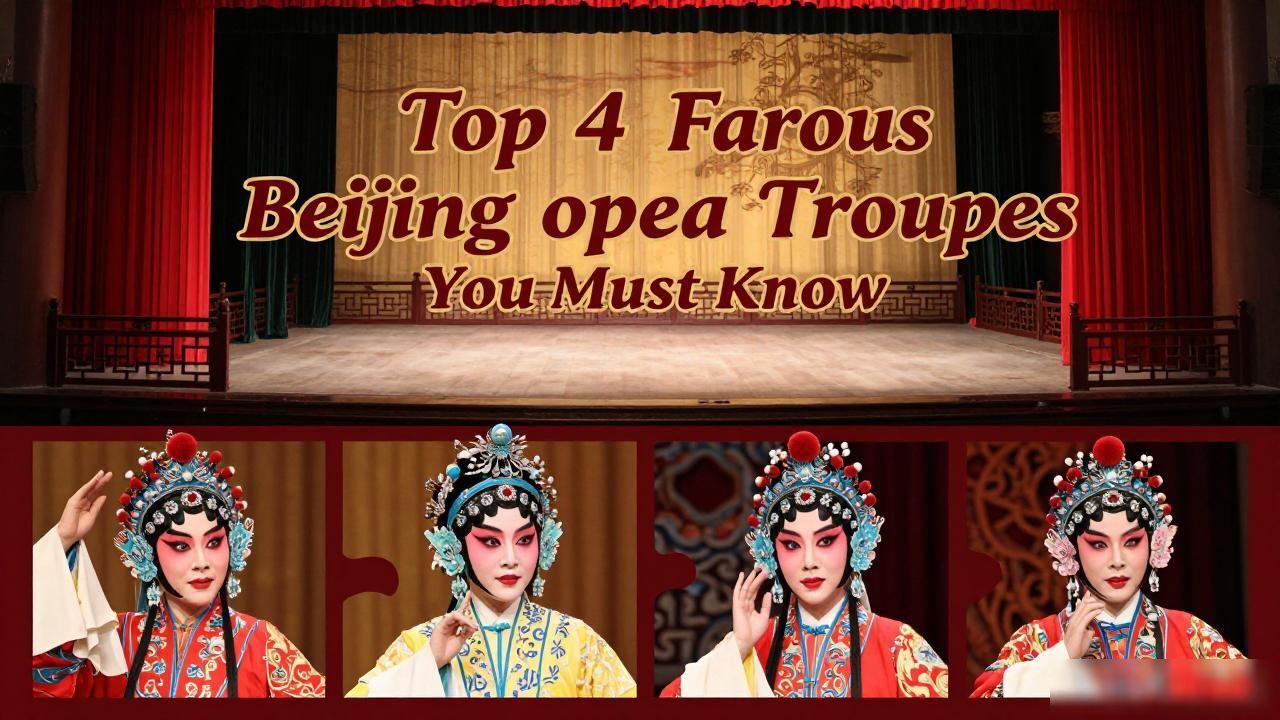
Chengdu’s Sichuan Opera influences some Beijing styles too. While distinct, the cross-pollination is evident. Many Beijing troupes incorporate elements from regional arts. This diversity enriches the overall experience. For the audience, it means no two performances are identical. Each troupe has its own signature moves and vocal techniques. Recognizing these differences enhances your appreciation. You start to hear the nuances in the singing. You notice the subtleties in the makeup. This knowledge transforms a simple outing into a cultural education.