
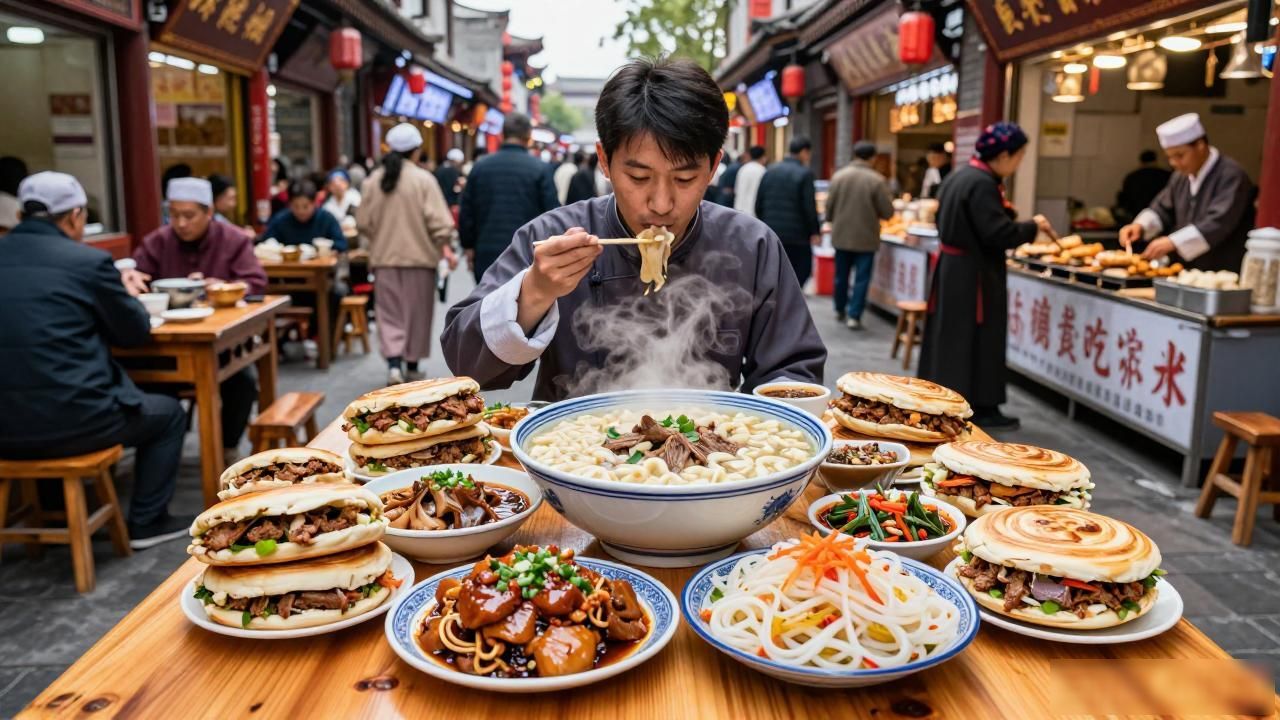
Xi’an is not just a city of ancient walls and terracotta warriors. It is a living museum of flavor, where every street corner tells a story through food. From the bustling Muslim Quarter to quiet local eateries, the food culture here is deeply rooted in history, trade, and tradition. Whether you are a first-time visitor or a seasoned traveler, experiencing Xi’an food culture means tasting centuries of Silk Road exchange and regional pride.
What makes Xi’an food so unique

Xi’an sits at the crossroads of Central Asia and inland China, and that geography shaped its cuisine in ways you won’t find anywhere else. The food here blends Han Chinese cooking with Muslim influences, creating dishes that are bold, hearty, and full of character. You will notice the heavy use of lamb, cumin, and hand-pulled noodles—ingredients that reflect the nomadic and trading heritage of the region.
The Muslim Quarter alone offers a sensory overload: sizzling lamb skewers, steaming soup dumplings, and the aroma of freshly baked flatbread fill the air. Locals don’t just eat to fill their stomachs; they eat to celebrate, to share, and to remember. Every dish comes with a backstory, and many recipes have been passed down for generations. This is not fast food culture—it is slow, intentional, and deeply satisfying.
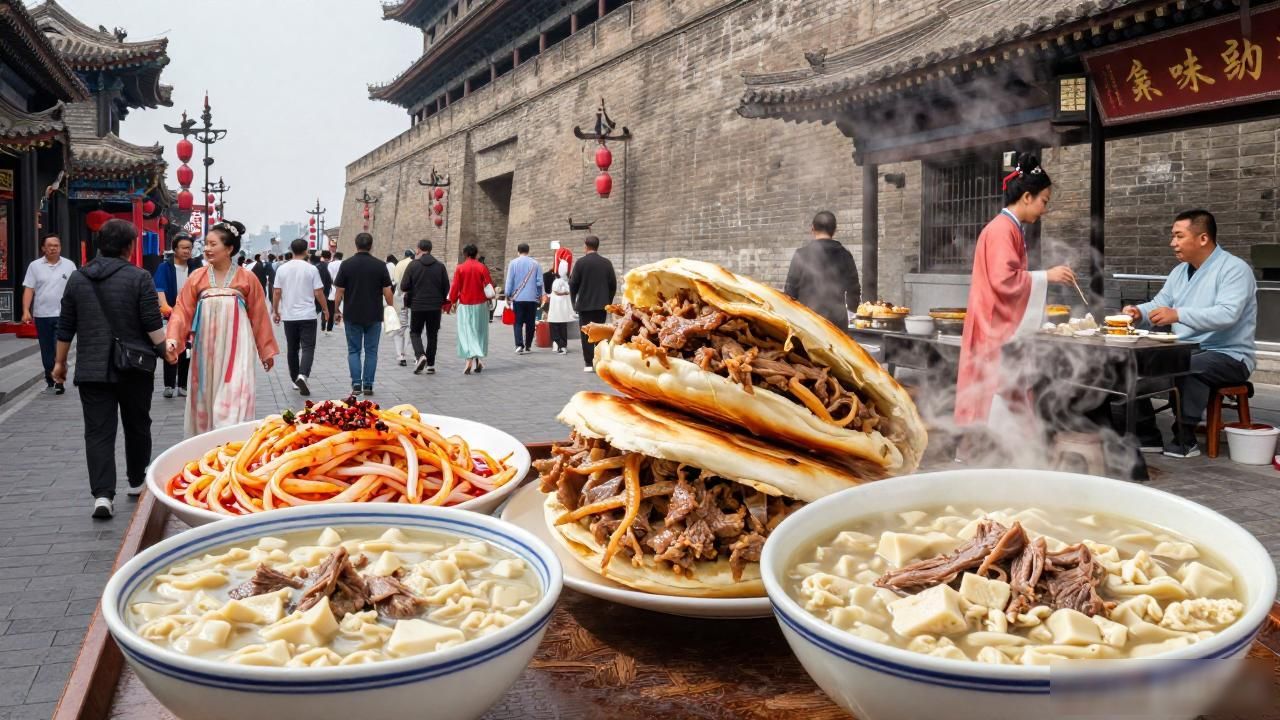
One bite of a roujiamo, often called the “Chinese hamburger,” will tell you more about Xi’an than any history book. The crispy bread stuffed with spiced, shredded pork is a street food staple that has been perfected over centuries. Likewise, yangrou paomo, or lamb soup with crumbled flatbread, is a ritual in itself—you tear the bread into tiny pieces before the waiter takes it back to be simmered in rich, aromatic broth. These experiences go beyond taste; they invite you to participate in a tradition.
How to truly experience Xi’an food like a local
To get the full richness of Xi’an food culture, you need to step away from tourist-packed restaurants and follow the locals. The best time to explore is early morning or late evening, when the street vendors set up their stalls and the city wakes up with smells of oil, spice, and steam. Don’t be afraid to point at what others are eating—it is the most honest menu you will find.
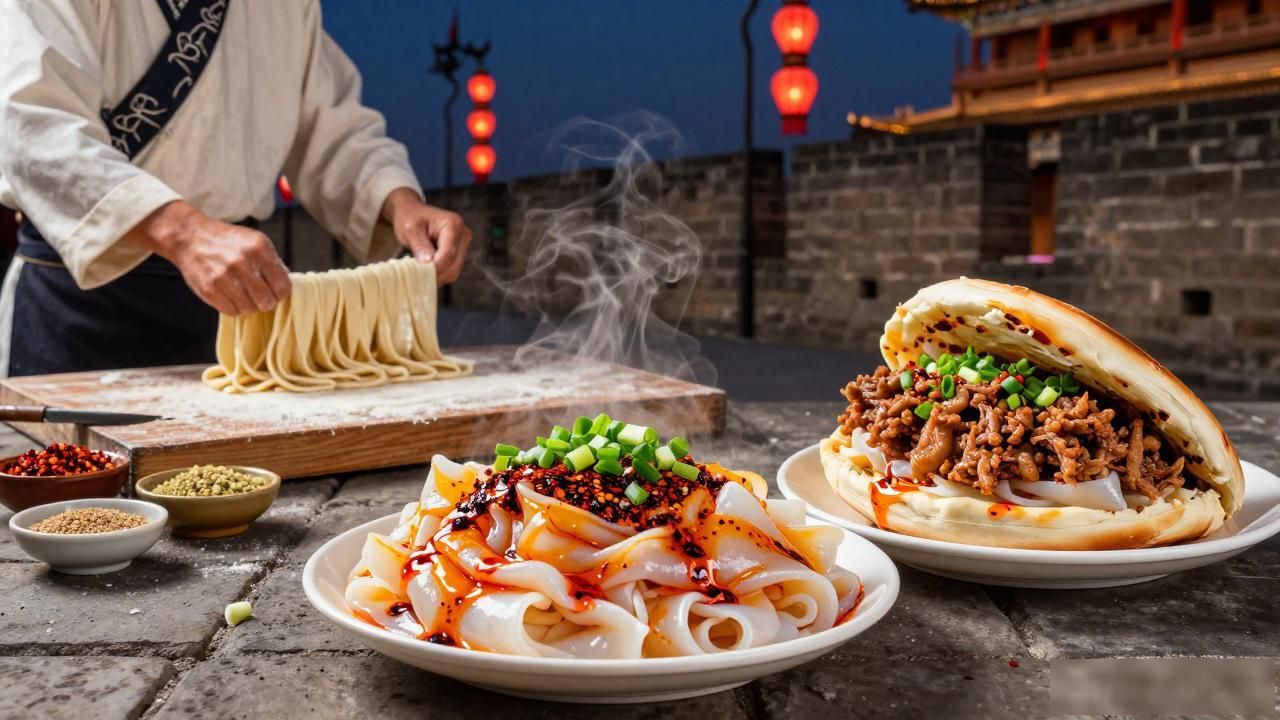
Start your day with a bowl of hulatang, a peppery beef soup with glass noodles and vegetables, served with a crispy sesame pancake. It is humble,filling, and deeply warming. For lunch, find a small shop that specializes in biangbiang noodles, named for the sound the noodles make when slapped against the counter. These thick, hand-pulled ribbons are served with chili oil, garlic, and slow-cooked meat. The experience is messy, loud, and absolutely unforgettable.
Evening brings the real magic. Join a food walking tour or simply wander through the alleyways of the Muslim Quarter. Watch the vendors grill skewers over open flames, dip fried squid in spicy sauce, or pour sweet, tangy yogurt drinks from giant copper pots. The key is to eat little by little, sharing with friends or strangers alike. Xi’an food is meant to be communal—eating alone here feels like missing half the story.
Xi’an’s food culture is not something you can fully capture in a blog post or a photo. It is something you taste, smell, touch, and share. Each meal connects you to the city’s past and its people. If you are looking for a travel experience that goes deep, skip the souvenir shops and head straight for the street food. That is where Xi’an lives.