
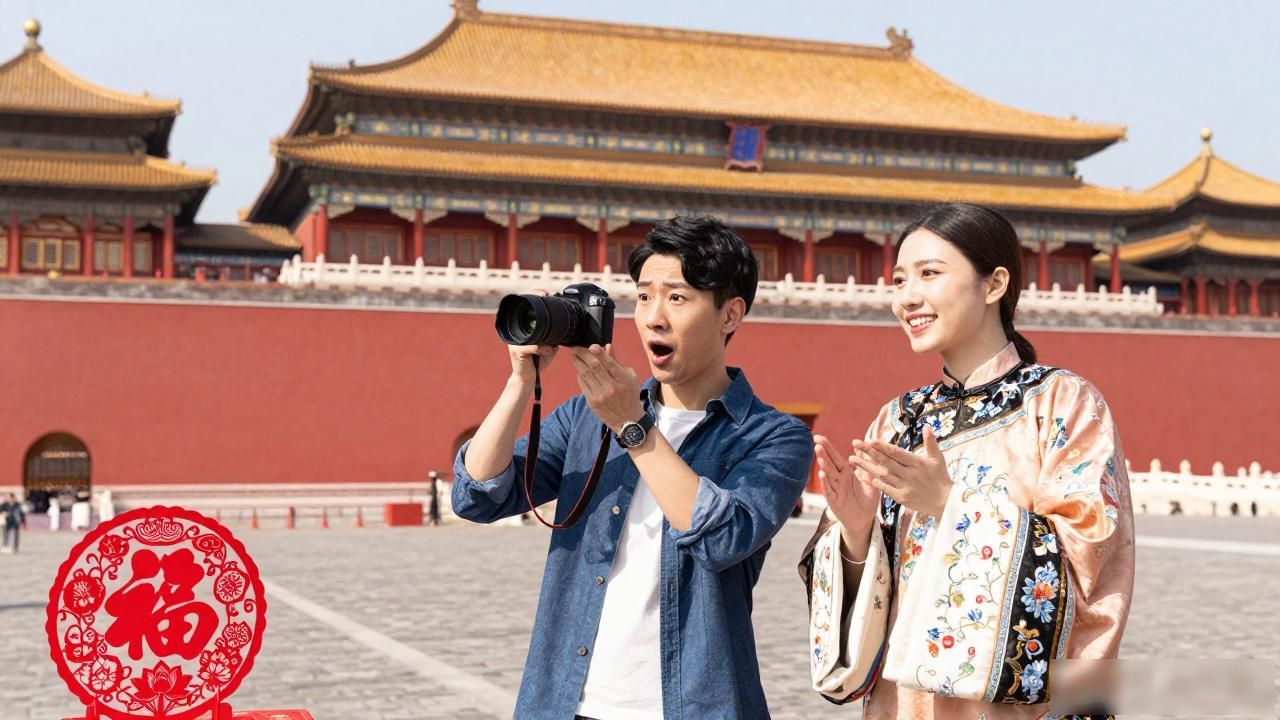
Chinese culture heritage is one of the oldest and most continuous traditions in the world. It includes art, philosophy, festivals, and daily customs that have survived thousands of years. Many people outside China find this heritage fascinating because it offers a different way of understanding life, family, and nature. From calligraphy to tea ceremonies, these traditions are not just relics of the past—they are still practiced and loved today.
What makes Chinese culture heritage so unique
The first thing that stands out is the deep connection between history and everyday life. In China, heritage is not locked in museums. You can see it in the morning routines of older people practicing tai chi in parks, in the red lanterns hanging during Spring Festival, and in the way families gather for dumpling-making on New Year’s Eve. Chinese characters themselves are a living heritage—each stroke tells a story that goes back more than 3,000 years. Traditional Chinese medicine, with its focus on balance and herbs, is still widely used alongside modern treatments. This blend of old and new makes Chinese culture heritage feel alive and relevant.
Another unique aspect is the emphasis on harmony with nature. Concepts like feng shui, the five elements,and yin and yang all come from ancient Chinese thought. These ideas influence everything from architecture to cooking. For example, a traditional Chinese garden is designed to mimic natural landscapes, not to dominate them. Even the way tea is prepared and drunk reflects a respect for nature’s rhythms. This worldview is increasingly appealing to people around the world who are looking for more sustainable and balanced ways of living.

How can foreigners experience Chinese culture heritage today
Many travelers worry that Chinese culture heritage is hard to access or understand. The truth is, there are simple and meaningful ways to connect with it. One great starting point is to visit a local Chinatown or a Chinese cultural center in your city. You can watch a dragon dance, taste mooncakes during the Mid-Autumn Festival, or try your hand at Chinese knotting. These activities are designed to be welcoming and do not require any prior knowledge.
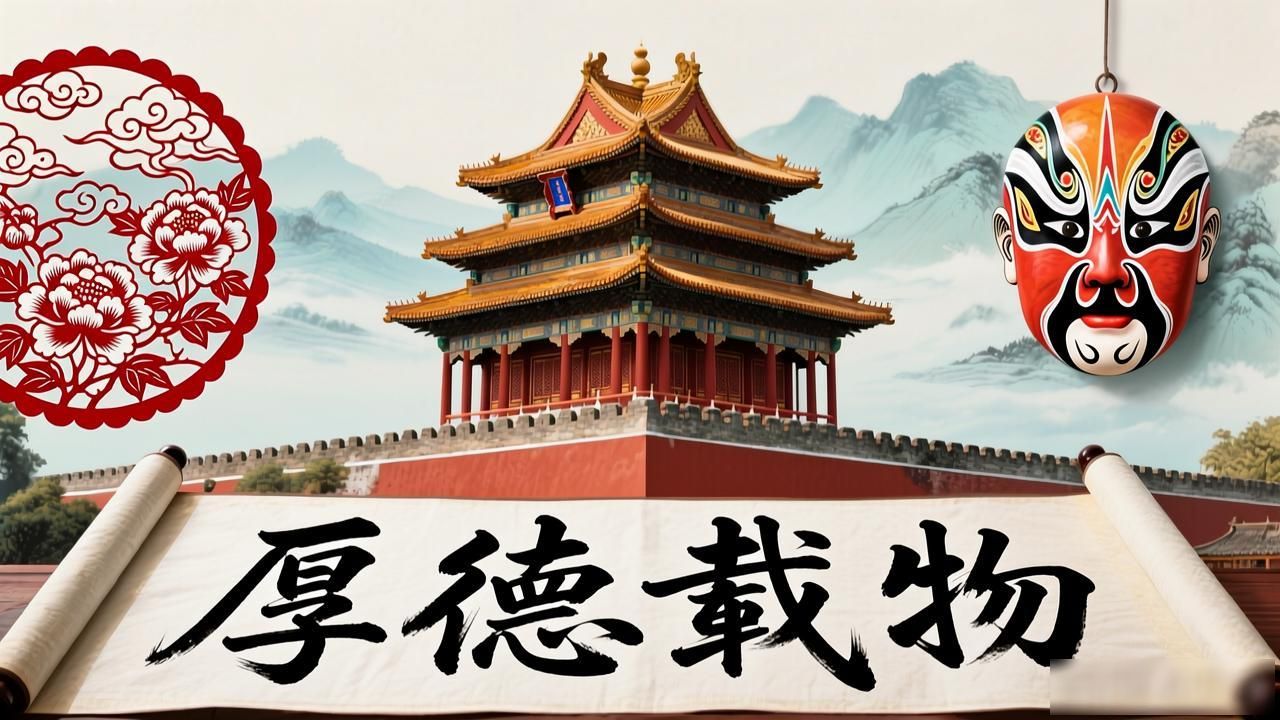
If you have the chance to travel to China, cities like Beijing, Xi’an, and Suzhou are treasure houses of heritage. The Forbidden City and the Great Wall are obvious choices, but smaller experiences can be even more memorable. Learn to write your name in Chinese calligraphy, join a tea tasting class, or stay in a village that still follows ancient farming traditions. The key is to participate, not just observe. Many workshops and tours are available in English, and locals are often eager to share their customs.
Chinese culture heritage is not a closed book. It is an open invitation to explore, learn, and enjoy. Whether you are a curious beginner or a seasoned traveler, there is always something new to discover.