
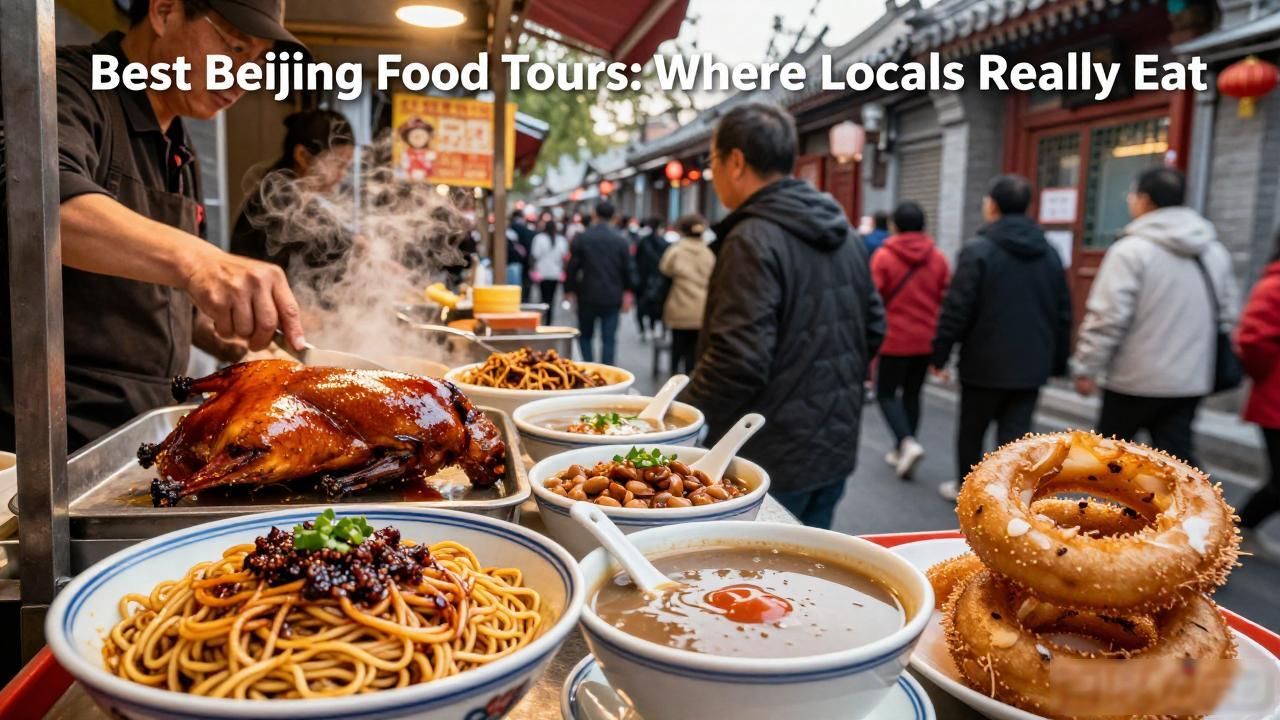
When you search for food tours in Beijing, you are probably looking for more than just a list of restaurants. You want to know where real Beijingers eat, what dishes are actually worth trying, and how to avoid tourist traps. A good food tour in Beijing should take you beyond the guidebooks and into the hidden alleys, night markets, and family-run stalls that make this city’s food culture so rich.
What makes a Beijing food tour different

Beijing food is not just about Peking duck. The real magic lies in the breakfast stalls serving steaming jianbing, the late-night lamb skewers on ghost streets, and the handmade noodles in dusty hutongs. A proper food tour in Beijing focuses on these everyday experiences. The best guides are locals who grew up in the city and know which vendors have been there for decades. They will take you to places where menus are only in Chinese, where the owner might not speak English, but the food speaks for itself.
You should also expect a mix of history and eating. For example, a tour of the Donghuamen Night Market is not just about scorpion skewers and candied hawthorns. It is also about how this street evolved from a royal market into a food hub for modern Beijingers. The story behind each dish adds depth to the taste.
How to pick the right food tour for your trip
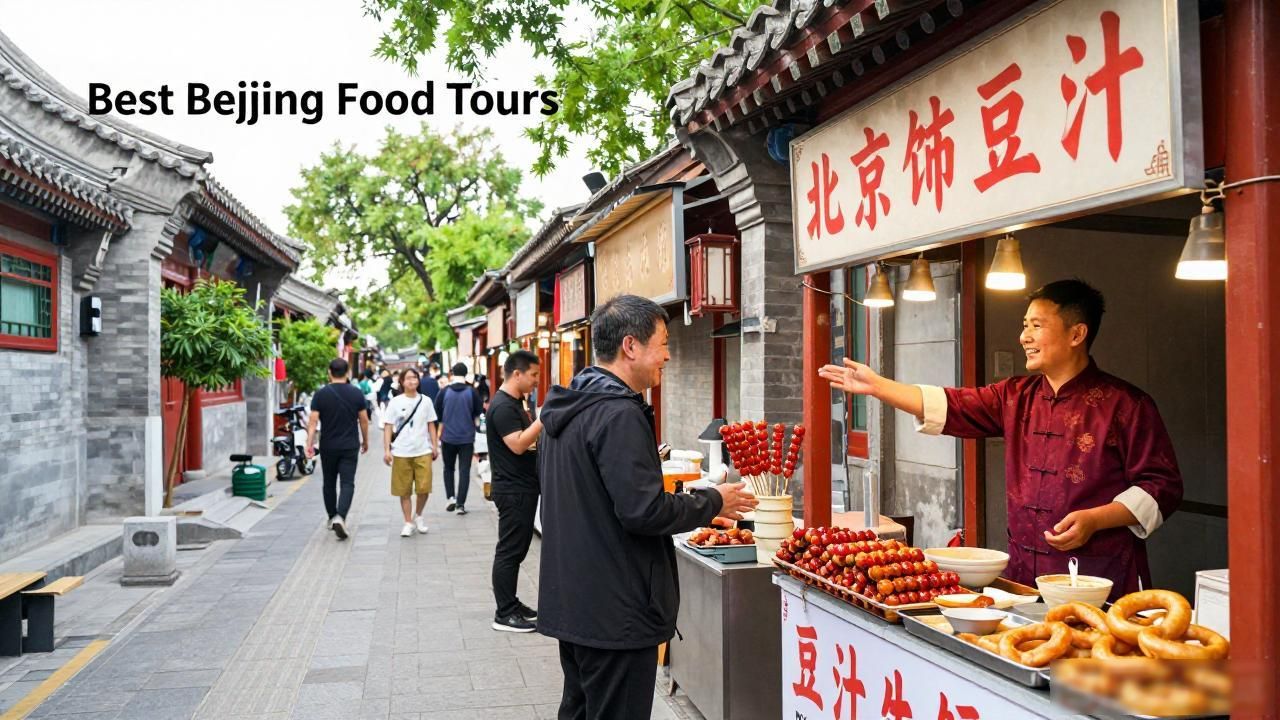
Not all food tours in Beijing are created equal. Some focus on fine dining and trendy restaurants. Others stick to street food and hole-in-the-wall spots. The right choice depends on what you want. If you are a first-time visitor, look for a tour that covers classic dishes like zhajiangmian, xiaolongbao, and lamb hotpot. These are the foundations of Beijing cuisine.
If you are a repeat visitor or a food enthusiast, go for a tour that explores a single neighborhood like Nanluoguxiang or Wudaokou. These tours often include lesser-known dishes such as donkey meat burgers or fermented bean drink. Also check the group size. Small groups of four to six people are ideal because they allow you to ask questions and move quickly through crowded food streets.
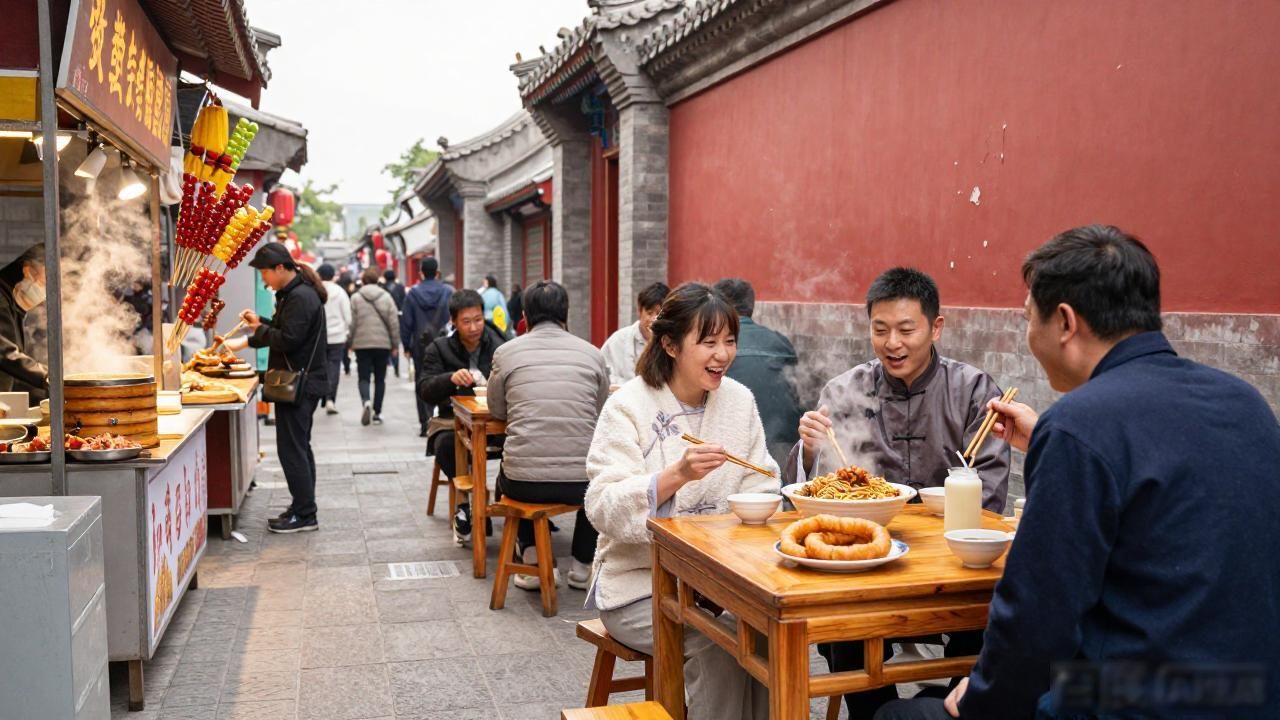
A good sign is when the tour operator offers a vegetarian option or can accommodate allergies. This shows they care about your experience. And always read recent reviews. Look for comments about the guide’s knowledge and the freshness of the food. That is the best way to know if a food tour in Beijing is worth your time and money.
The best food tours in Beijing do not just feed you. They teach you how to eat like a local,what to look for in a good noodle bowl, and why certain dishes are eaten at specific times of year. That is the kind of experience that stays with you long after you leave the city.