
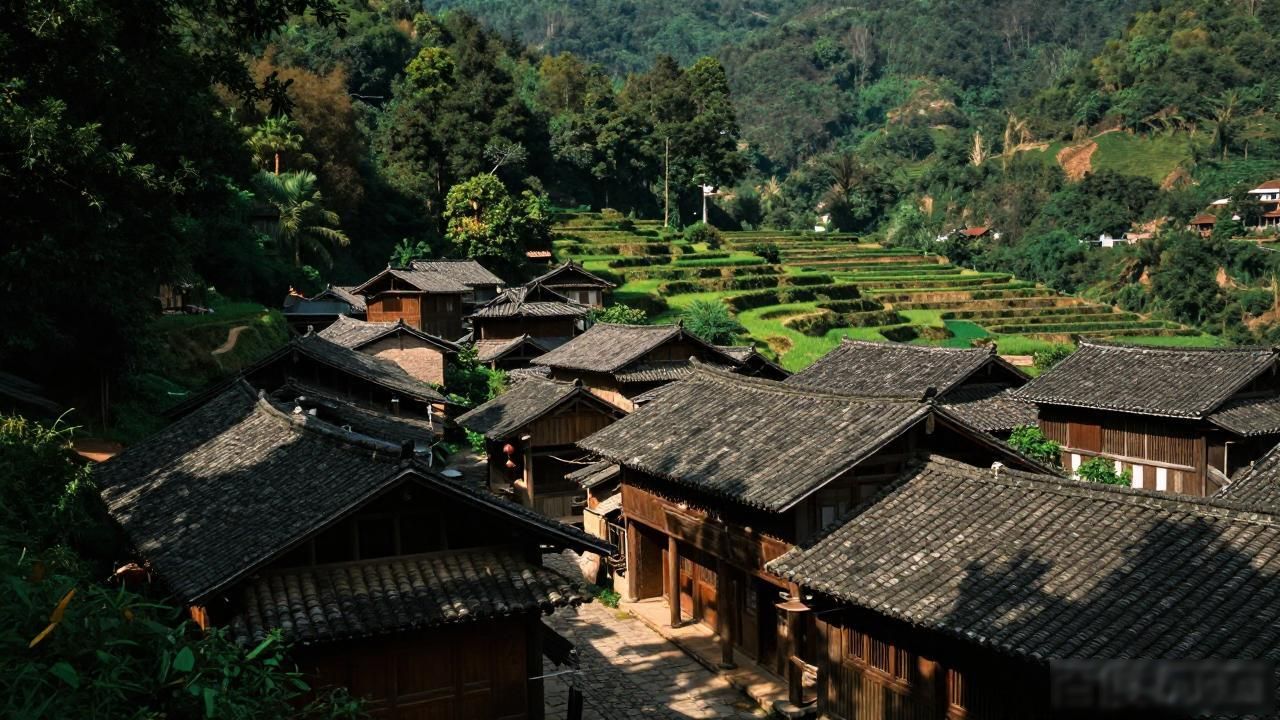
Yunnan is famous for Dali, Lijiang, and the towering mountains of Shangri-La. But there’s another side to this province—quieter, stranger, and far less crowded. These are the hidden gems that offer real encounters with local life and raw landscapes. If you look past the guidebooks, you’ll find villages frozen in time, markets that feel like secret societies, and roads that lead nowhere but are worth every mile.
What makes a place a hidden gem in Yunnan

A hidden gem isn’t just a spot with fewer tourists. It’s a place that holds a story,a taste, or a view that you can’t replicate anywhere else. In Yunnan, that often means a remote village where the architecture hasn’t changed in centuries, or a market where ethnic minorities trade goods using methods passed down for generations. The real gems are not listed on top-ten lists. They are found through word of mouth, a local’s tip, or a wrong turn on a mountain road.
Take the wooden stilt houses of Nuodeng, for example. This village, tucked away in the mountains near Dali, has a thousand-year history of salt production. The streets are steep and narrow, and there’s hardly any signage in English. But the dried hams aging in the shade, the crumbling temples, and the warmth of the locals make it unforgettable. The key is that you don’t get this experience from a bus tour. You have to wander, ask around, and be patient.
Another example is the Black Dragon Pool in Shaxi, which is not the same as the one in Lijiang. This one is a small reservoir surrounded by farmland and willows. At sunrise, local women wash vegetables by the water while farmers lead water buffalo along the edge. There are no entrance fees or souvenir stalls. It’s just life. That kind of raw beauty is what separates a hidden gem from a tourist trap.
How to find Yunnan hidden gems without a guide
You don’t need a professional guide to uncover these places. The trick is to base yourself in a small town and then explore outward by scooter, bicycle, or public minibus. For instance, from the old town of Shaxi, you can ride east to the Shibaoshan Grottoes. These ancient carvings are carved into a cliff face and are almost always empty of visitors. The hike up is steep but short, and the view over the valley is worth every step.
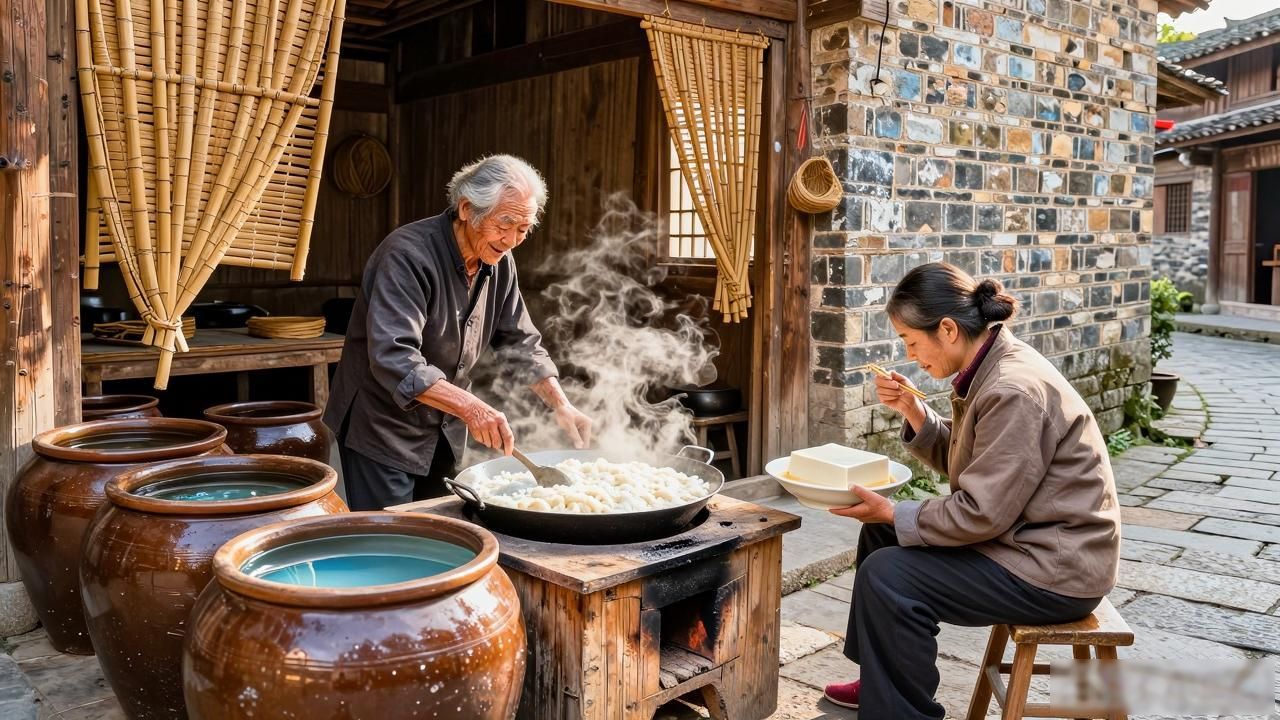
Another route is to head south of Kunming to Jianshui. Most tourists stop at the famous Confucian Temple, but the real secret is the old town’s back alleys. There, you’ll find family-run tofu shops where the product is still made using well water and wood-fired stoves. You can sit on tiny stools, eat fresh tofu with chili powder, and watch the owner mold each piece by hand. It’s simple, cheap, and feels like stepping into a different century.
If you have more time, take a bus to the Yuanyang Rice Terraces. Skip the main viewing platforms and walk the paths between villages. The locals are used to hikers and will often invite you for tea. The terraces shift color throughout the day—green, gold, silver depending on the light. You won’t find this depth of experience in a group tour. It’s yours alone if you’re willing to get off the beaten path.