
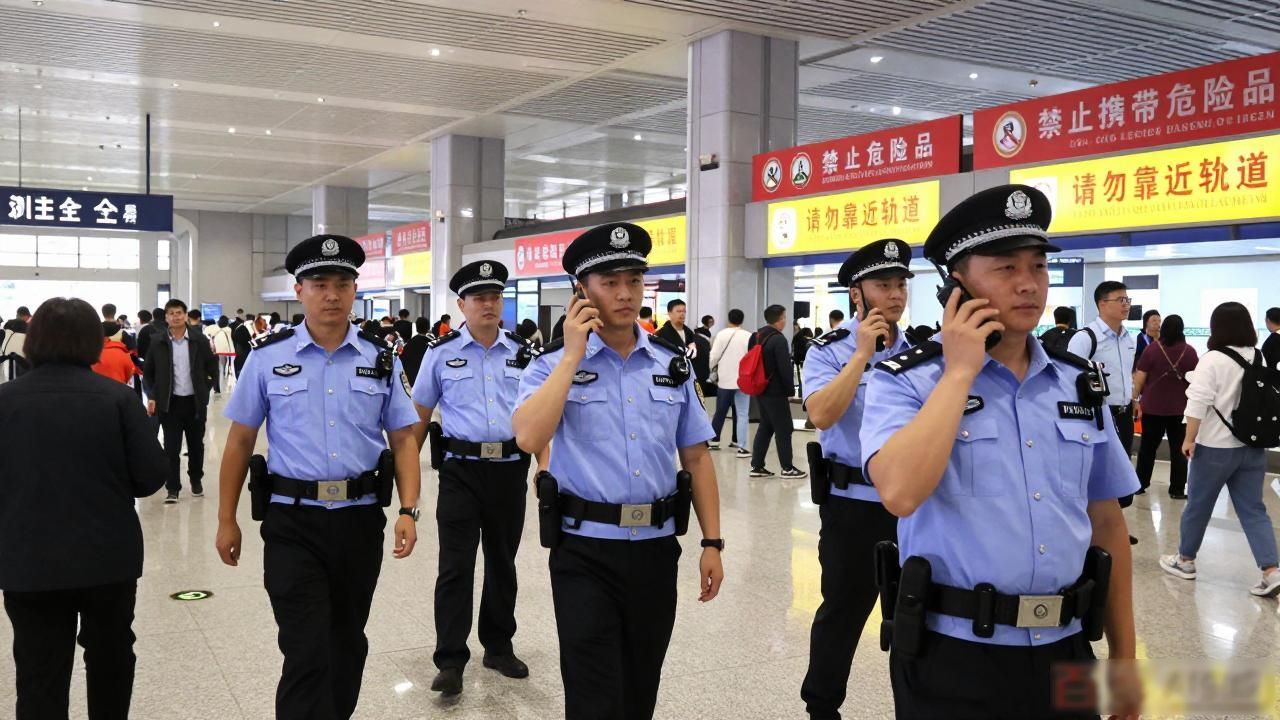
China is a vast and increasingly popular destination for international tourists, but many first-time visitors wonder if it is truly safe to travel there. Based on years of travel data and firsthand experiences, China is actually one of the safest large countries for solo travelers, families, and even female travelers. Violent crime is extremely rare, and the country has a strong public security presence that keeps streets and public areas well monitored. While no place is without minor risks, the overall safety level in China is consistently high.
How does public safety work in Chinese cities

Public safety in China operates differently than in many Western countries. Police and security personnel are visible in almost every public space, including train stations, shopping malls, and tourist attractions. This constant presence acts as a strong deterrent against crime. Pickpocketing and petty theft do happen in crowded tourist areas like Beijing’s Silk Market or Shanghai’s Nanjing Road, but these incidents are far less common than in many European capitals. Most Chinese cities also have extensive surveillance systems, which help authorities respond quickly to any trouble. For travelers, this means you can walk alone at night in most urban areas without feeling unsafe. The sense of security is especially noticeable for women traveling solo, as catcalling and harassment are not common in public spaces.
What about health and transportation safety

Health safety has become a major concern for travelers after the pandemic. China maintains strict hygiene standards in hotels, restaurants,and public transport. Tap water is not drinkable, but bottled water is cheap and available everywhere. The biggest health risk for most tourists is actually food hygiene, though even street food stalls in major cities are generally clean and safe to eat from. Transportation safety is another strong point. High-speed trains are punctual, clean, and well-maintained. The subway systems in cities like Beijing, Shanghai, and Guangzhou are modern and have English signage. Taxis and ride-hailing services like Didi are regulated, and drivers are required to follow strict rules. Traffic accidents are rare on expressways, though crossing streets in busy cities requires caution because drivers do not always yield to pedestrians.
Tourists should also keep in mind that scams targeting foreigners exist, mainly in tourist-heavy areas like the Forbidden City or West Lake. Common tricks include overpriced tea ceremonies, fake ticket sellers, and taxi drivers who refuse to use the meter. These are not safety threats in the violent sense, but they can ruin your experience. Staying alert, using official services, and asking your hotel for transport advice can help you avoid these issues. Carrying a copy of your passport and visa is required by law, but keep the original in a hotel safe to prevent loss.

China offers a remarkably safe travel environment for those who follow basic precautions. The country’s low crime rate, efficient emergency services, and friendly local people make it a comfortable destination for anyone worried about safety. Whether you are exploring ancient temples in Xi’an, hiking the Great Wall, or eating dumplings in a Chengdu night market, you will find that safety concerns rarely get in the way of an amazing trip.