
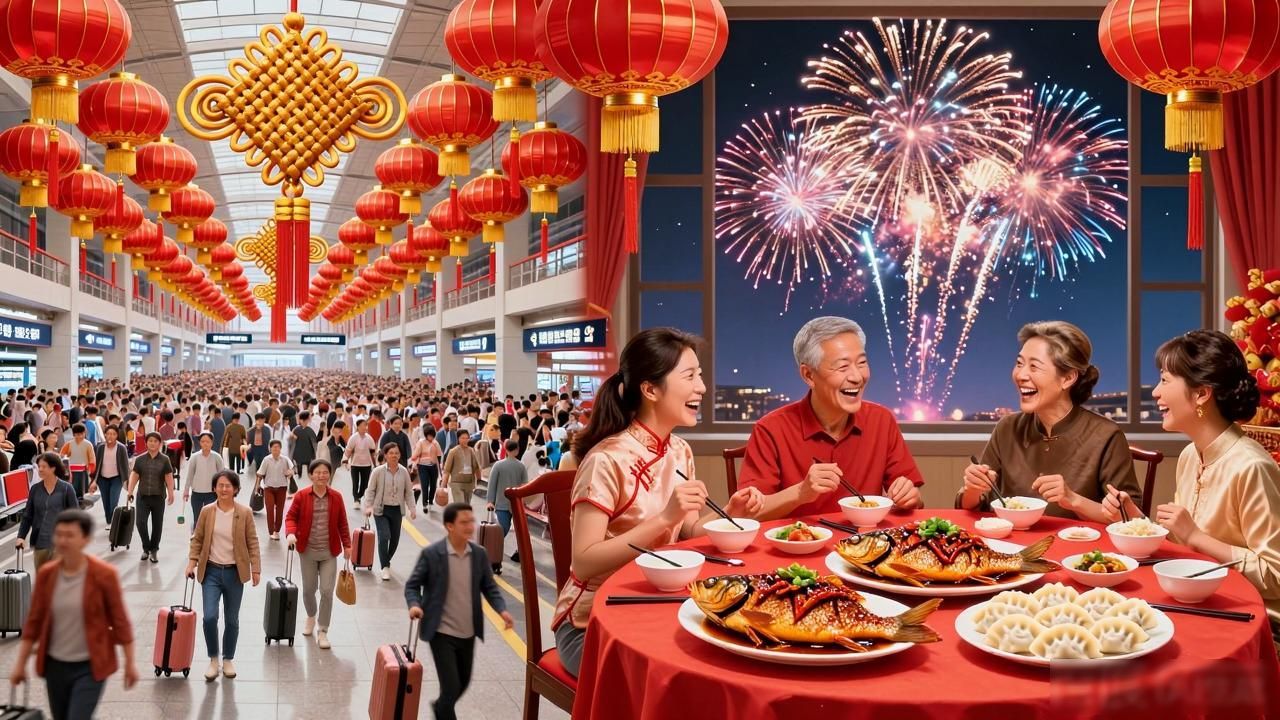
The Spring Festival, also known as Chinese New Year, is more than just a holiday—it is the most significant and widely celebrated event in China. It marks the beginning of the lunar new year and brings together family, tradition, and modern festivities in a way that is both deeply rooted in history and constantly evolving. For foreign visitors, understanding this festival offers a unique window into Chinese culture, values, and daily life.
How Do Chinese Families Celebrate Spring Festival Today

In modern China, the Spring Festival is a time for reunion. Millions of people travel across the country to return to their hometowns, creating the world’s largest annual human migration, known as Chunyun. Families gather for a lavish dinner on New Year’s Eve, which typically includes symbolic dishes like fish for abundance and dumplings for wealth. Red envelopes filled with money, called hongbao, are given to children and unmarried adults as a gesture of good luck. While traditions remain strong, technology has also changed the celebration—digital red envelopes sent via WeChat have become incredibly popular,and many families now watch the CCTV Spring Festival Gala together as a modern ritual.
What Traditions Do Foreigners Notice Most
For outsiders, the most striking aspects of the Spring Festival are often the visual and sensory experiences. Streets and homes are decorated in red, the color believed to ward off evil spirits. Firecrackers and fireworks light up the sky, especially at midnight on New Year’s Eve. Lion and dragon dances are performed in public spaces, accompanied by loud drums and cymbals. Temples become crowded with people praying for good fortune in the coming year. Another tradition that catches foreign attention is the giving of lucky money in red envelopes, which symbolizes blessings and prosperity. These practices are not just performances—they carry deep cultural meaning about family, luck, and renewal.
Why Spring Festival Matters Beyond China’s Borders
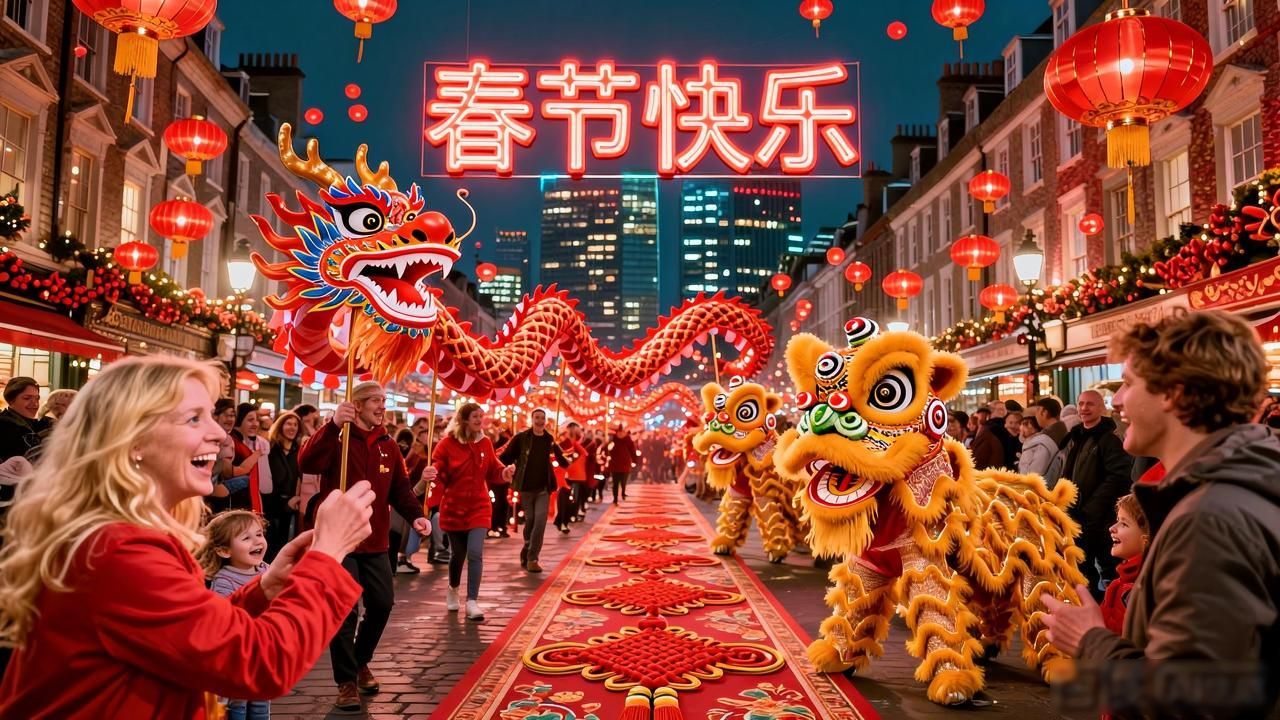
The Spring Festival is no longer just a Chinese event. In cities around the world, from London to Sydney to San Francisco, Chinese communities hold parades, festivals, and cultural shows to mark the occasion. Many non-Chinese people now participate in these celebrations, enjoying the food, music, and atmosphere. For businesses, the holiday period is a major economic driver, influencing global supply chains and travel patterns. Understanding the Spring Festival helps foreigners appreciate the importance of family bonds, the value of tradition in a rapidly changing society, and the sense of hope that comes with each new lunar year. Whether you are traveling to China during this time or observing it from abroad, the Spring Festival offers a powerful reminder of how a culture celebrates life, togetherness, and new beginnings.