
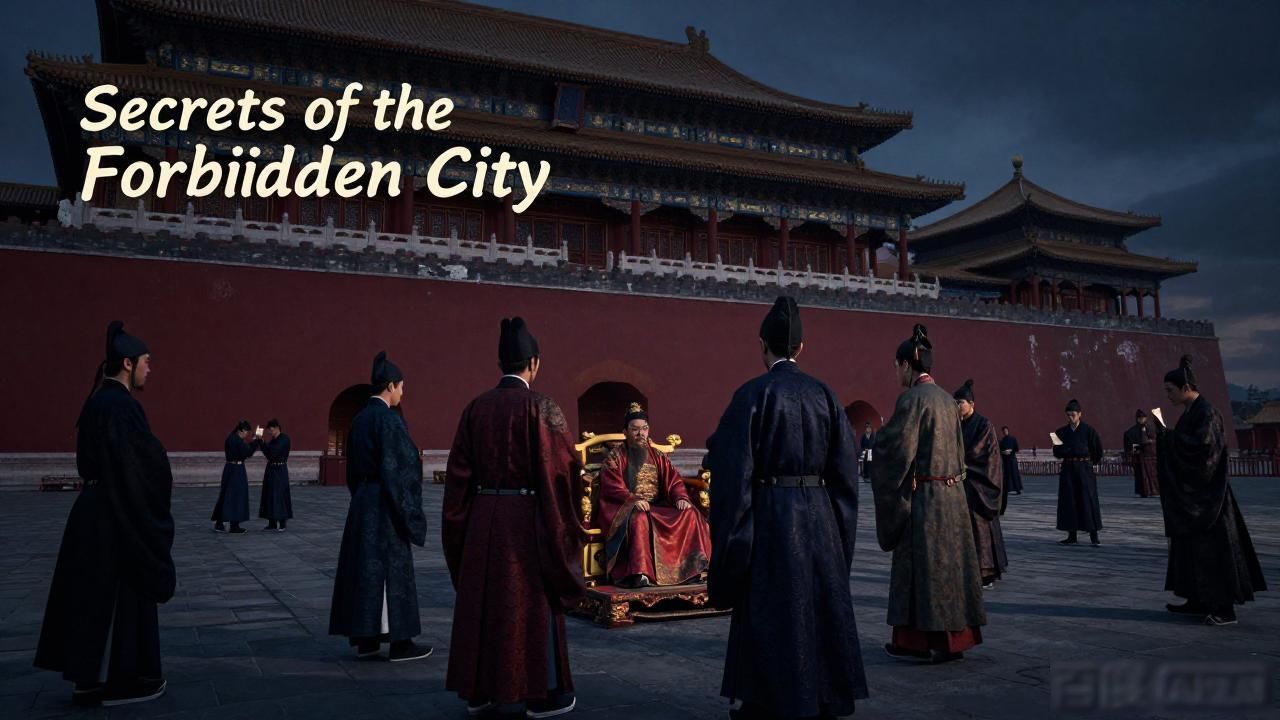
The Forbidden City in Beijing is more than just a palace complex—it is a living museum of Chinese imperial history that has stood for over 600 years. When people explore its grand halls and narrow corridors, they are walking through stories of power, intrigue, and artistry that shaped an entire civilization. The historical stories hidden within its red walls reveal not only the lives of emperors and concubines but also the deep cultural values of ancient China. Let’s dive into three captivating tales that bring the Forbidden City to life.
How Did the Emperor’s Secret Meetings Change History
One of the least known but most dramatic stories involves Emperor Jiajing of the Ming Dynasty. He was obsessed with achieving immortality and spent most of his time in a secluded part of the palace, avoiding state affairs. To communicate secret orders, he used a special system of eunuchs and hidden passages. One night in 1542, a group of concubines nearly strangled him in his sleep because of his cruel treatment. This event, known as the Renyin Palace Incident, shocked the court and led to tighter security and reforms in the palace’s internal governance.

The story shows how the Forbidden City was not just a home but a dangerous political stage. Even the emperor was not safe from plots brewing inside its own walls. This event reshaped how later Ming rulers managed their inner court, proving that historical stories from this palace often carry lessons about leadership and trust.
What Treasures Were Hidden Inside the Palace Walls
During the fall of the Ming Dynasty in 1644, the last Ming emperor, Chongzhen, faced a desperate situation. As rebel forces approached Beijing, he ordered his loyal eunuchs to hide priceless artifacts and secret documents within the palace’s thick walls and under false floors. Some of these treasures were never found. In the 1930s, workers repairing a wall near the Hall of Supreme Harmony accidentally discovered a small chamber filled with jade carvings and ancient scrolls.
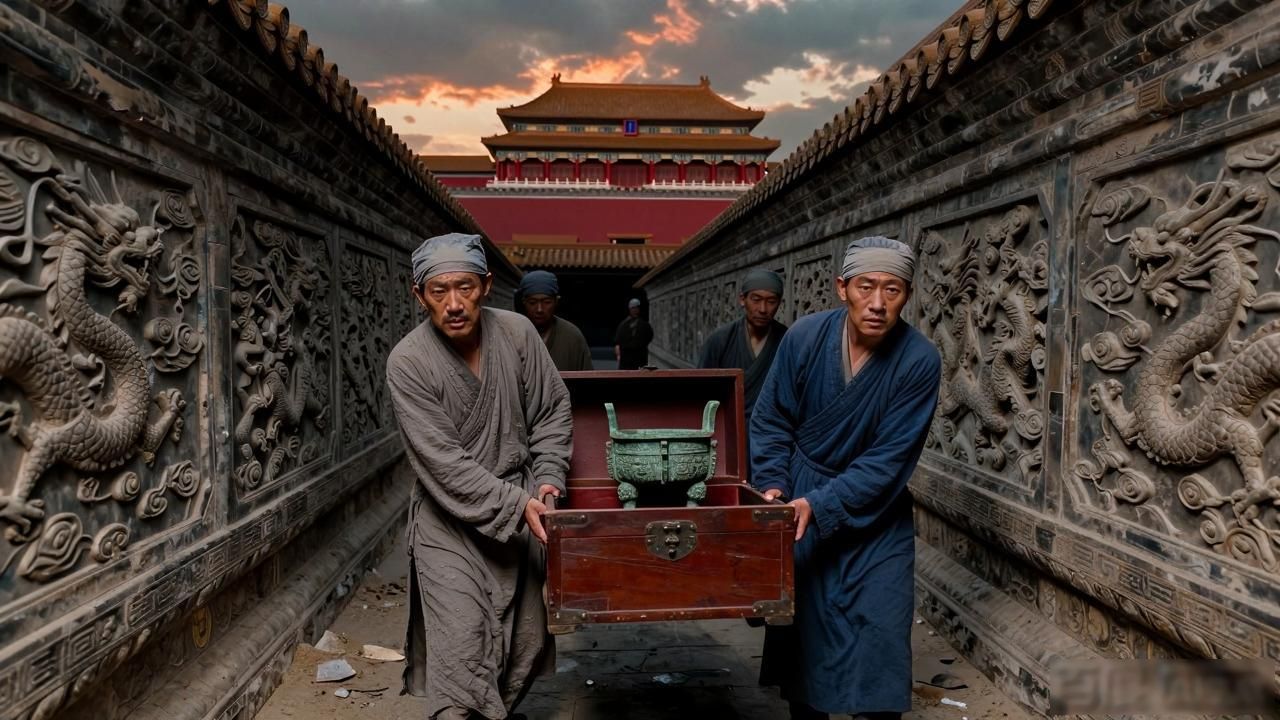
This discovery reveals that the Forbidden City was designed with many secret spaces. Builders and rulers used these hiding spots to protect cultural heritage during times of war. Today, historians still hope that more hidden chambers exist, waiting to tell new historical stories about the palace’s forgotten past. It’s a reminder that even the most famous places still hold secrets we have yet to uncover.
Why Did the Palace Never Burn Down Despite Many Fires
The Forbidden City faced many fires over the centuries, but it never completely burned down—and that’s no accident. The ancient architects designed the palace with advanced fire prevention systems. They built large water vats throughout the complex, dug underground drainage channels, and used stone and brick instead of wood in key areas. One famous story tells how during a massive fire in 1597,eunuchs formed human chains passing leather buckets filled with water from the moat to save the main halls.
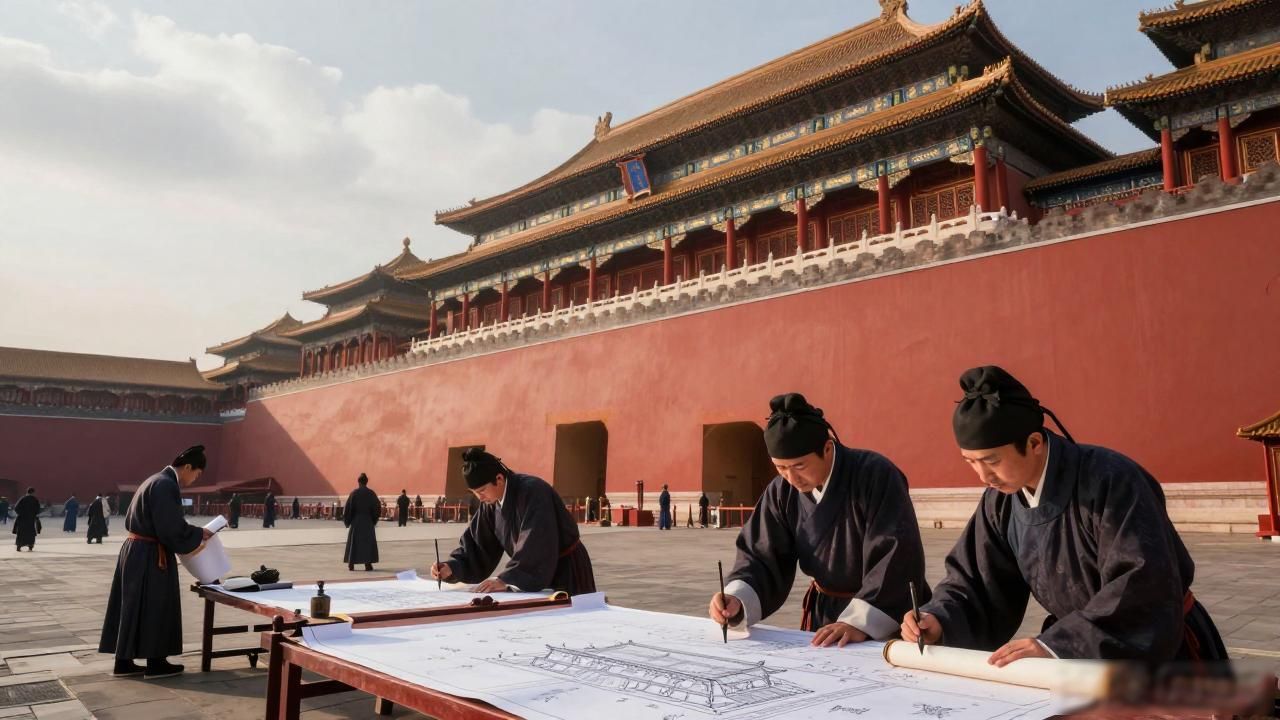
This practical knowledge was passed down through generations. The design of the Forbidden City reflects centuries of accumulated wisdom. It wasn’t just luck that preserved this iconic structure—it was careful planning and discipline. These historical stories about survival teach us that the Forbidden City is a testament to human ingenuity as much as imperial glory.
The Forbidden City continues to fascinate visitors because every corner holds a story. Whether about power struggles, hidden treasures, or survival against disasters, these tales give us a deeper understanding of China’s rich past. Each story is like a small key that unlocks a larger chapter of world history.