
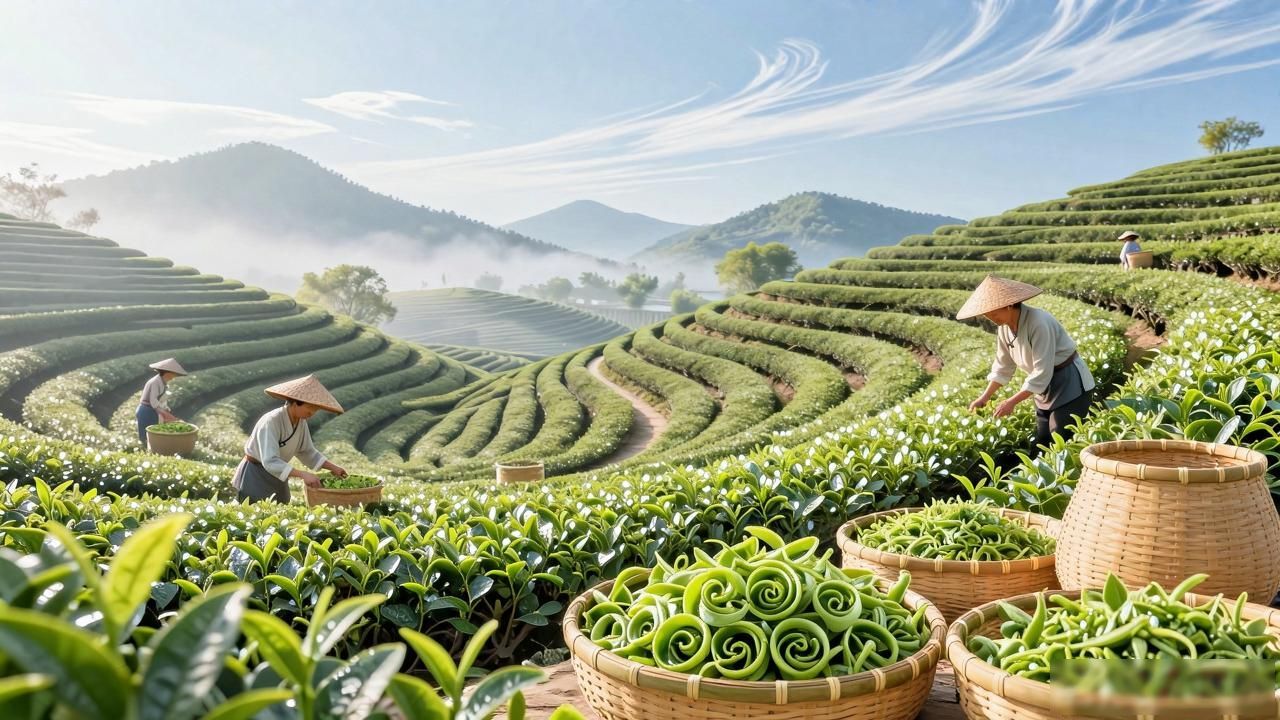
Hangzhou is not just about West Lake and ancient temples—it is also one of China’s most important centers for tea. For centuries, this city has been home to Longjing tea, also known as Dragon Well tea, one of the most famous green teas in the world. If you want to truly understand Chinese tea culture, Hangzhou offers a living, breathing experience that goes far beyond a simple cup. From misty tea plantations to traditional tea houses, this city invites you to slow down and savor every sip.

What makes Longjing tea so special
Longjing tea is prized for its flat, sword-shaped leaves, its bright green color, and its delicate chestnut-like flavor. The best leaves come from the hills around West Lake, especially from villages like Longjing Village, Meijiawu,and Shifeng. These areas have the perfect combination of altitude, mist, and soil that gives the tea its unique character. When you visit a tea plantation here, you can see farmers hand-picking only the tenderest leaves in early spring. This labor-intensive process is part of what makes authentic Longjing tea so valuable. Many local farmers still roast the leaves by hand in large woks, a skill passed down for generations. Watching this process up close helps you understand why a single cup of good Longjing tea can cost as much as a full meal.
How to enjoy tea like a local in Hangzhou
The best way to experience Hangzhou tea culture is to sit down for a proper tea tasting. Skip the touristy shops and head to a small tea house near the plantations. There, you will be served multiple infusions of the same leaves, each one revealing a different layer of flavor. The first infusion is light and sweet, while later ones become more vegetal and smooth. Locals never add sugar or milk to green tea—they drink it pure to appreciate the natural taste. Another essential experience is visiting the China National Tea Museum, which is free and located right in the tea-growing region. It explains the history, production, and cultural rituals surrounding tea in a way that is easy to follow. If you have time, take a short hike through the tea fields early in the morning. The sight of terraced green hills covered in mist is unforgettable, and the air smells fresh and earthy.
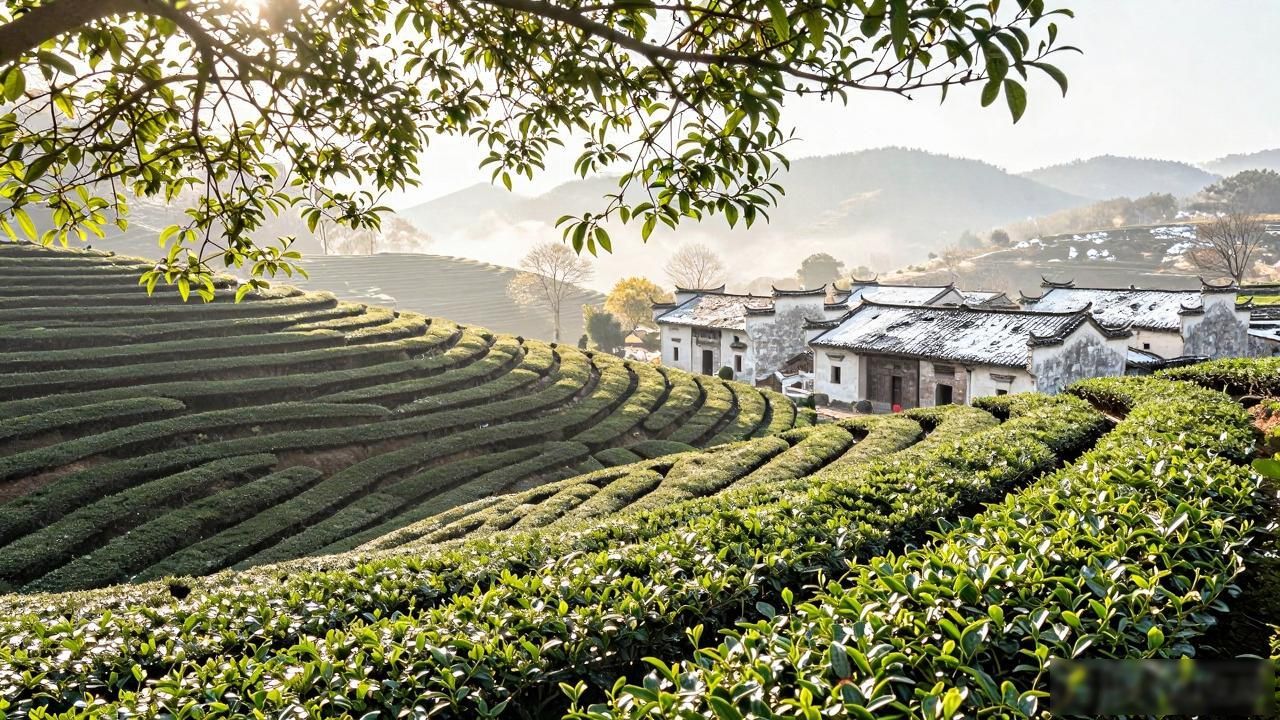
Whether you are a tea connoisseur or a curious traveler, Hangzhou offers a deep and authentic connection to one of China’s oldest traditions. The tea here is not just a drink—it is a way of life that reflects patience, respect for nature, and a love for simple beauty.