
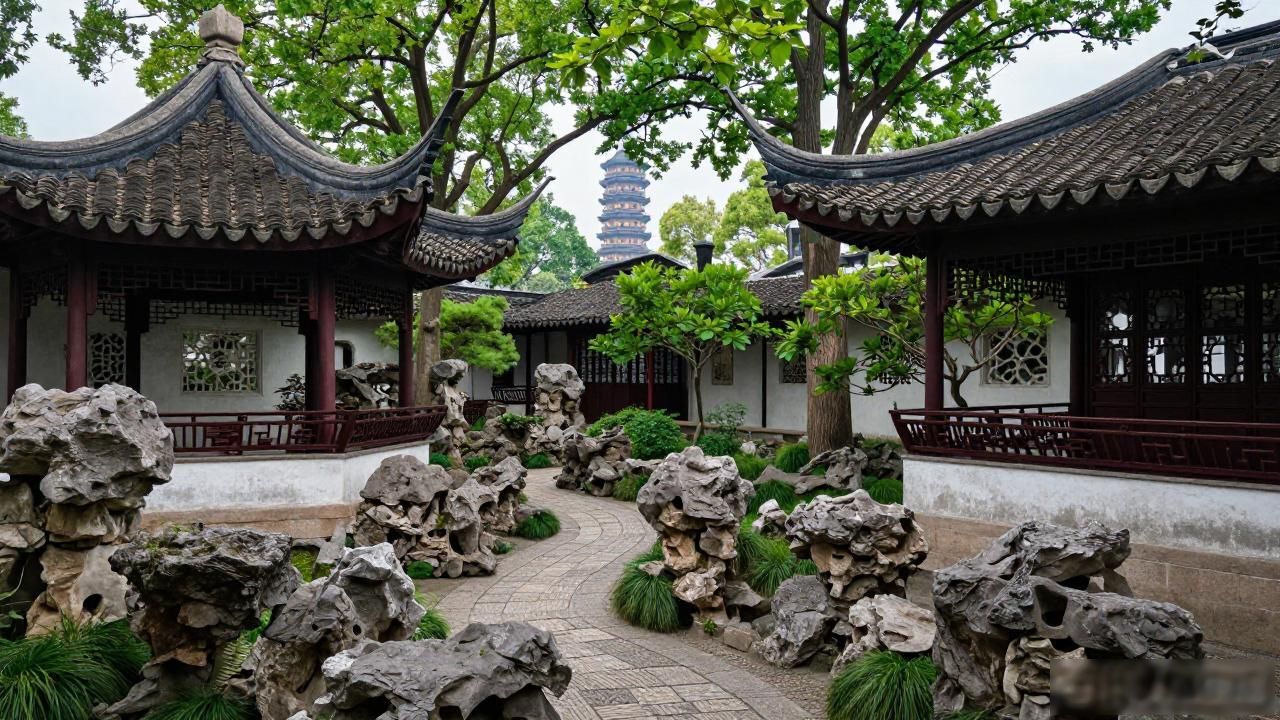
Classic Suzhou Gardens represent one of the finest achievements in Chinese landscape design. These UNESCO World Heritage sites blend architecture, nature, and philosophy into compact masterpieces. For international travelers unfamiliar with Chinese garden traditions, understanding what makes these gardens special requires a closer look at their hidden meanings and practical layout.
What makes a Suzhou garden feel like a living painting

A Suzhou garden is not just a collection of plants and rocks. It is designed to mimic natural landscapes in miniature form. Walk through the Master of the Nets Garden,and you will notice how every window frames a deliberate view. The builders used borrowed scenery, where distant pagodas or trees outside the garden become part of the composition inside.
The gardens rely on contrast. Tight corridors suddenly open into wide courtyards. Dark pavilions lead to bright ponds. This creates surprise at every turn. Many visitors expect symmetry, but Chinese gardens avoid straight lines. Paths curve, rocks pile irregularly, and water flows in zigzag patterns. This design philosophy comes from Taoism, which values harmony with nature over human control.
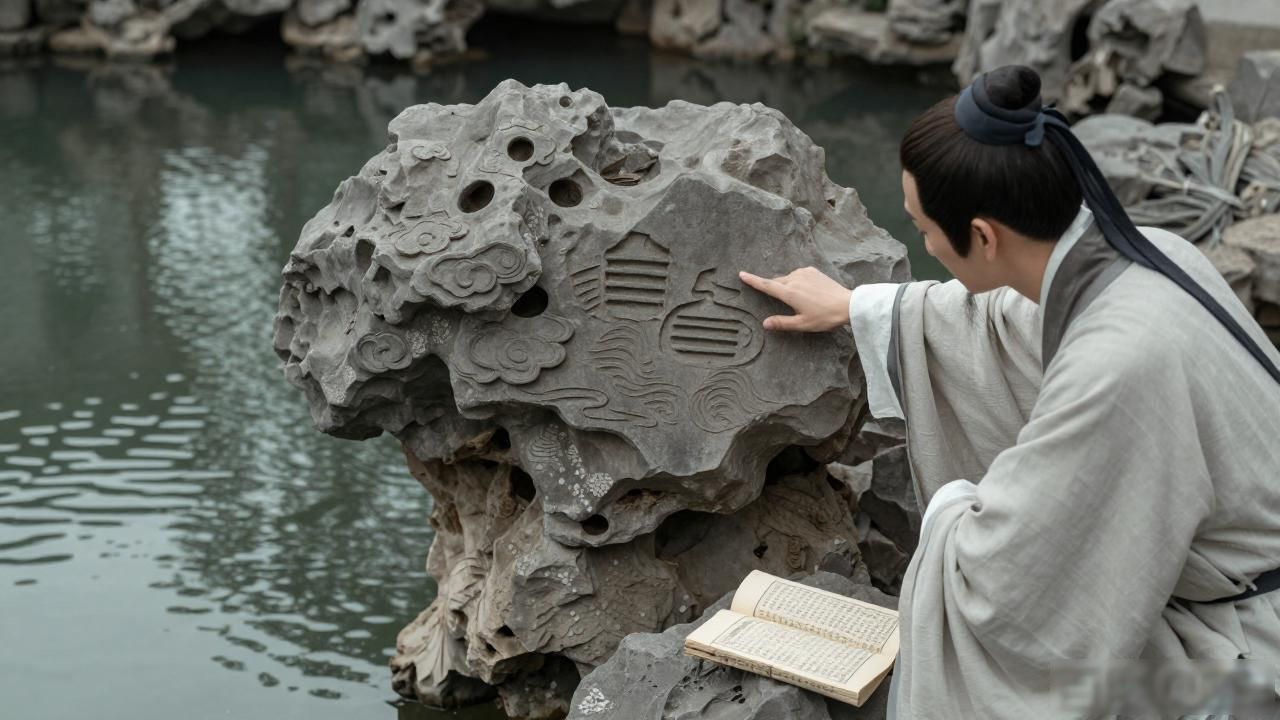
How to read the symbols hidden in rocks and water
Understanding the symbols enriches your visit. Taihu stones, with their hollowed surfaces and wrinkled textures, represent mountain peaks. The more holes and ridges a stone has, the more it is valued. These stones are not random. They are chosen for their resemblance to mythical mountains where immortals live.
Water in these gardens is never still or shapeless. Ponds are shaped like crescents or gourds, symbols of good fortune. Bridges are often zigzag, not straight. This is believed to stop evil spirits, which can only travel in straight lines. Pavilions have names like “Listening to the Rain Pavilion”, designed for sitting and hearing raindrops hit lotus leaves. These details turn a simple walk into a sensory experience.
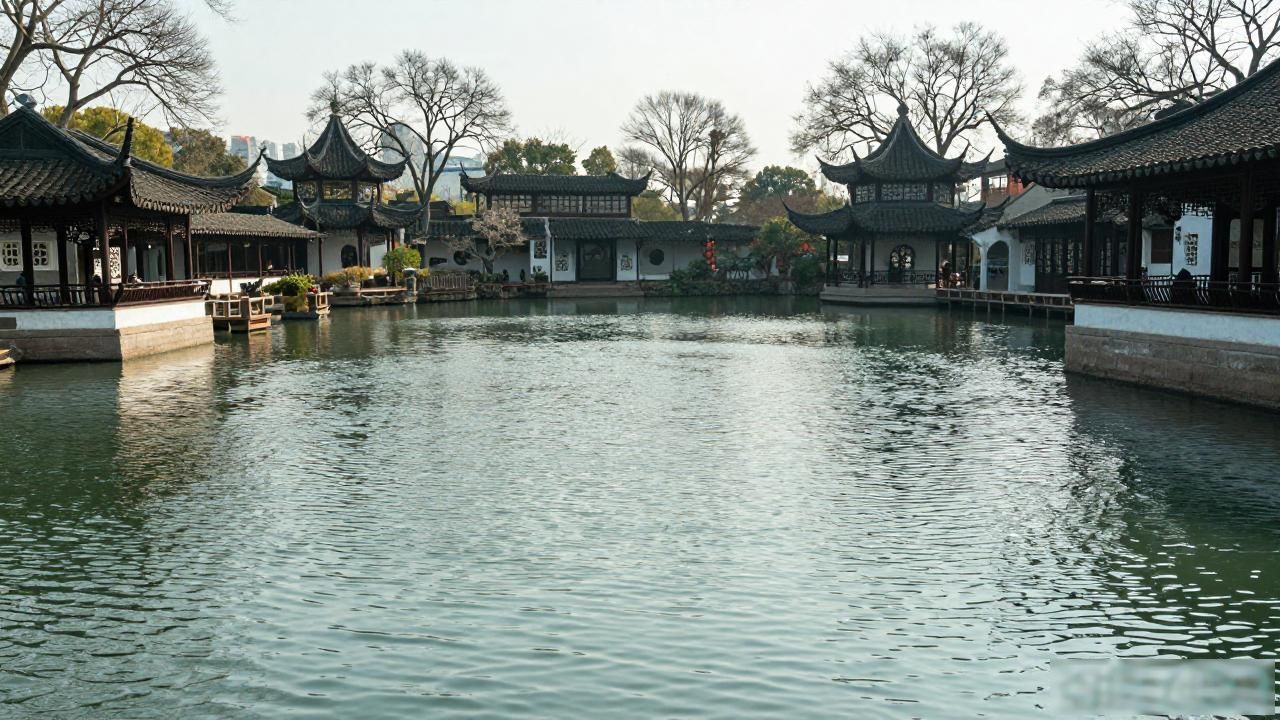
The Humble Administrator’s Garden, the largest in Suzhou, uses water as its central theme. Half of its surface is covered by ponds. Walking through it, you feel separated from the noisy city outside. This is intentional. The garden was built by a retired government official who wanted a peaceful retreat. Every element, from the bamboo groves to the covered walkways, serves this purpose of calm reflection.
Visiting these gardens requires patience. Do not rush. Sit on a stone bench and watch how shadows change across the water. Notice how the same path looks different in morning light versus afternoon sun. That is the real magic of Suzhou Gardens: they never look the same twice.