
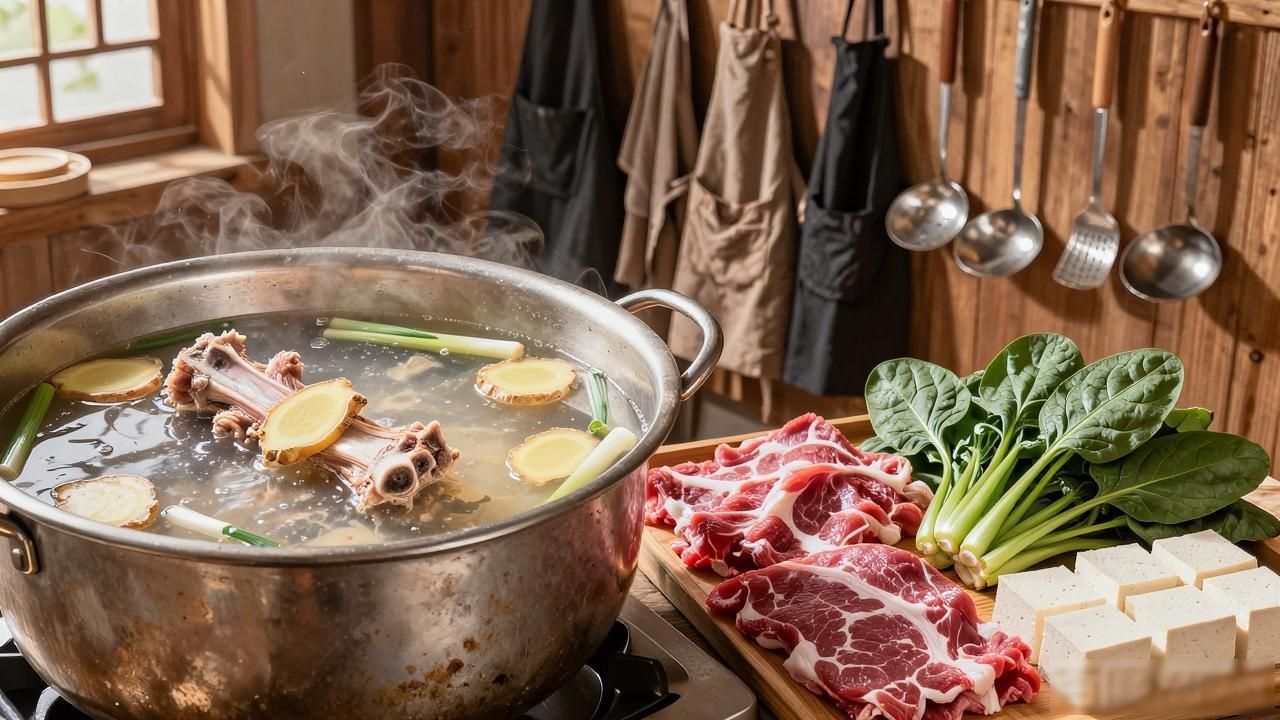
Traditional hot pot flavors are more than just broth—they are the soul of a communal dining experience that has been perfected over centuries. At its core, the flavor of a hot pot depends on the balance of ingredients, the type of broth, and the regional customs that shape each recipe. Whether it’s the numbing heat of Sichuan or the clear richness of Beijing-style broth, understanding these flavors helps you appreciate why hot pot remains a beloved tradition.
What defines the base of traditional hot pot broth

The foundation of any traditional hot pot is the broth. In northern China,the broth tends to be lighter, often made with lamb bones, ginger, and scallions. This clear broth allows the natural taste of the meat and vegetables to shine through. The flavor is clean, slightly savory, and never overpowering. Diners usually dip their cooked ingredients in sesame sauce or fermented tofu for added depth.
In contrast, Sichuan hot pot builds its flavor around two key elements: Sichuan peppercorns and dried chilies. The broth is often made with beef tallow, which adds a rich, fatty mouthfeel that helps carry the heat and numbness. Garlic, star anise, and fermented broad bean paste are also commonly used. The result is a broth that is bold, aromatic, and intensely layered. Many locals believe the best broths are those that have been simmered for hours, allowing the spices to fully infuse.
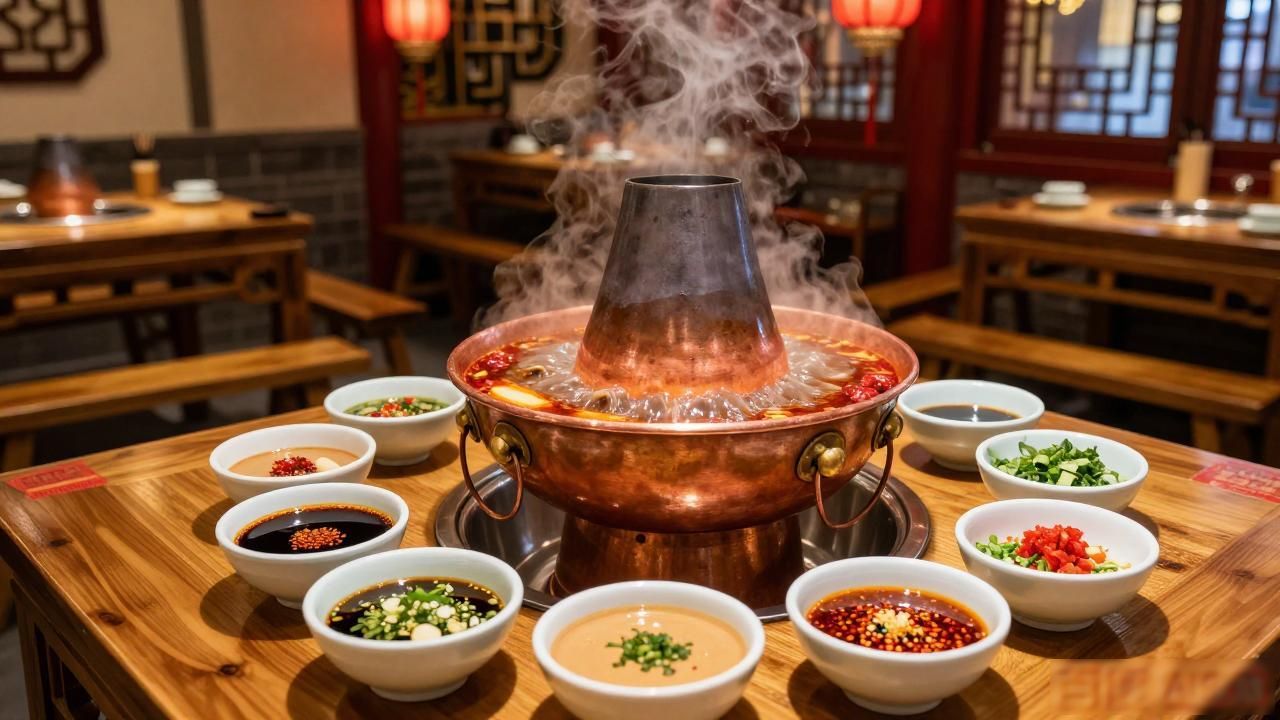
Why dipping sauces matter in traditional hot pot
Dipping sauces are not an afterthought in traditional hot pot—they are a crucial part of the flavor experience. In many regions, the sauce is kept simple. Beijing-style hot pot often uses sesame paste as the base, mixed with a little vinegar, garlic, and cilantro. This thick, nutty sauce balances the lightness of the broth and adds creaminess to each bite.
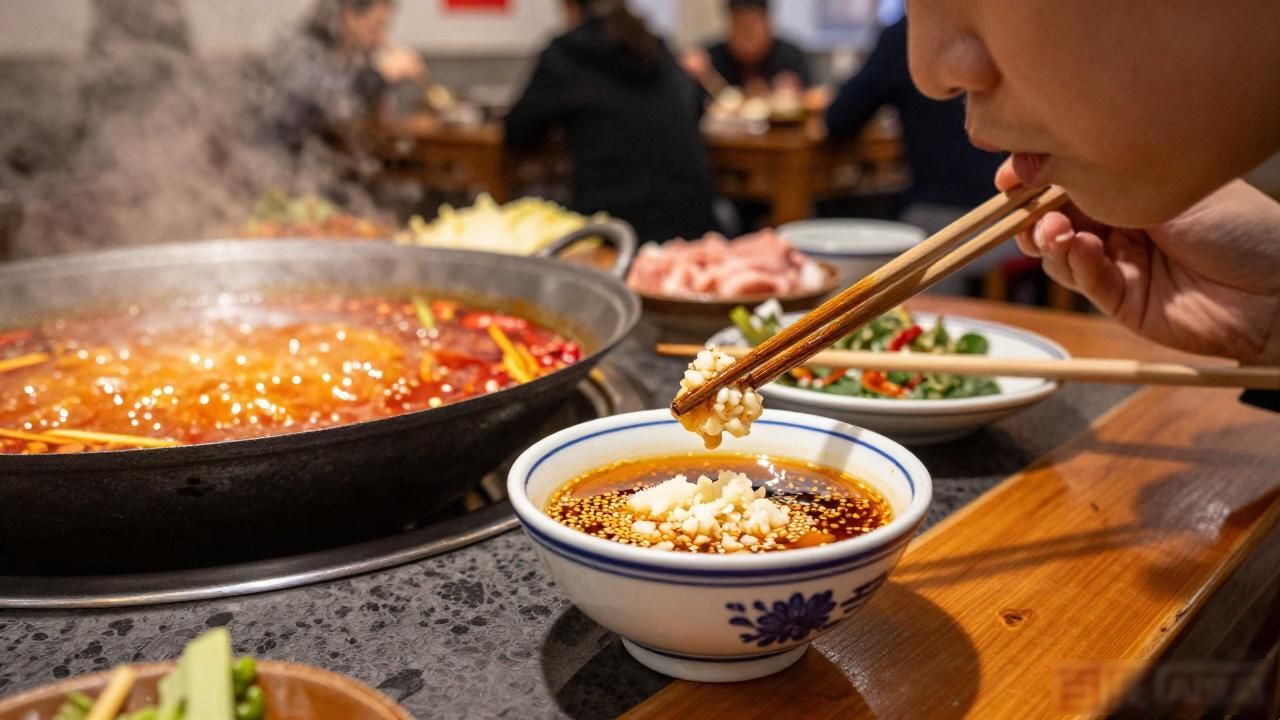
In Chongqing, however, the dipping sauce is minimal. Diners often use a small bowl of sesame oil with crushed garlic and a pinch of salt. The oil helps cool down the food while enhancing the aroma of the broth. Some people add a splash of vinegar or a sprinkle of MSG for extra umami. The idea is not to mask the broth’s flavor but to complement it without overwhelming the palate.
Traditional hot pot flavors are the result of regional traditions, careful ingredient choices, and a deep understanding of balance. From the broth to the dipping sauce, every element serves a purpose. Whether you prefer the fiery intensity of Sichuan or the gentle warmth of a northern broth, the experience is meant to be shared, savored, and remembered.