
Beijing is one of the most historic and fast-changing cities in the world. If you are planning a trip here, you need to know more than just the names of famous sites. The city is huge, the culture is deep, and small mistakes can waste time or money. This guide covers the key things every traveler should prepare before arriving.
How to get around Beijing without wasting time

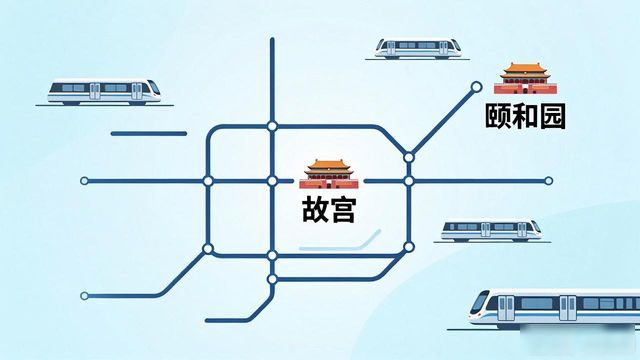
Beijing’s public transport system is modern and affordable, but it can be confusing if you don’t plan ahead. The subway is the best option for most travelers. It covers almost every major attraction, from the Forbidden City to the Summer Palace. You can buy a single ticket at the station, but it’s smarter to get a transportation card called Yikatong. This card works on the subway, buses,and even some taxis. You can buy it at any metro station and add money as needed.
Taxis are common, but not all drivers speak English. Always have your destination written in Chinese characters on your phone or a piece of paper. Avoid taxis during rush hours, which are roughly 7–9 AM and 5–7 PM. Traffic jams are serious. If you want something more flexible, ride-hailing apps like Didi work well. You can set pickup and drop-off points in the app, and it shows the price beforehand.
Buses are cheap but harder to use if you don’t know Chinese. They have fixed routes and sometimes no English announcements. Stick to the subway unless you are confident. Walking is great in central areas like Houhai or the hutongs, but distances between major sights are too long for foot travel.
What to eat and where to find safe food
Beijing is famous for Peking duck, but the food scene goes much deeper. You can find everything from street stalls to high-end restaurants. For street food, try Wangfujing Snack Street or the night markets. But be careful about hygiene. Look for stalls with many local customers and high turnover. If a stall has meat sitting out for hours, skip it.
For sit-down meals, avoid tourist-heavy spots near major attractions. They often serve overpriced and low-quality food. Instead, walk a few blocks away from the gate. Use apps like Dianping to check reviews. It’s in Chinese, but the ratings are reliable. If you can’t read it, just look for restaurants with 4 stars or more.
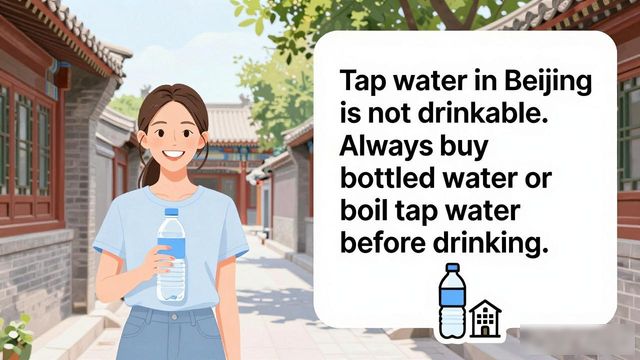
Tap water in Beijing is not drinkable. Always buy bottled water or boil tap water before drinking. Many hotels provide free bottled water. Restaurants usually serve hot tea or boiled water, which is safe. If you have a sensitive stomach, avoid raw vegetables and unpeeled fruit from street vendors. Stick to cooked food and peeled fruits like oranges and bananas.
Beijing is an incredible city, but it rewards preparation. Learn a few Chinese phrases like “thank you” and “how much.” Carry cash for small shops and street food. Download a VPN before you arrive if you need access to Google or Instagram. With the right tips, your trip will be smooth and unforgettable.