
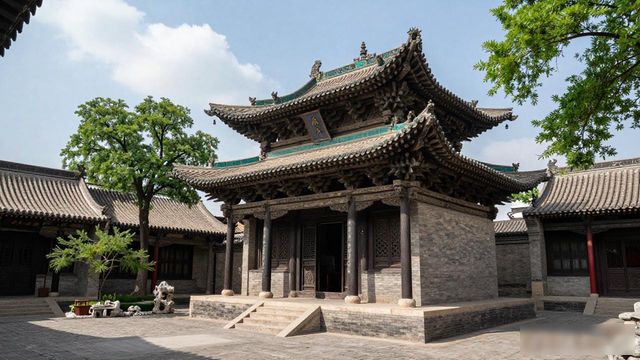
If you’re planning a trip to Taiyuan and want to see its historical buildings, here’s what you need to know. Taiyuan, the capital of Shanxi Province, is often overlooked by travelers rushing to Pingyao or Datong. Yet this city holds centuries of Chinese history through its temples, pagodas, and ancient architecture. From the Northern Qi dynasty to the Ming and Qing eras, Taiyuan’s buildings tell a story of faith, power, and everyday life.

Are Taiyuan historical buildings worth visiting
Yes, they are absolutely worth your time, especially if you appreciate authentic, less crowded sites. Unlike the heavily restored attractions in other Chinese cities, many of Taiyuan’s historical buildings retain their original structure and atmosphere. The Jinci Temple complex, for example, dates back over 1,400 years. Its wooden halls, stone bridges, and ancient cypress trees offer a rare glimpse into early Chinese architectural design. Another must-see is the Twin Pagodas of Yongzuo Temple, which stand 54 meters tall and have survived earthquakes and wars since the Ming dynasty. These sites allow you to walk through living history without fighting crowds.
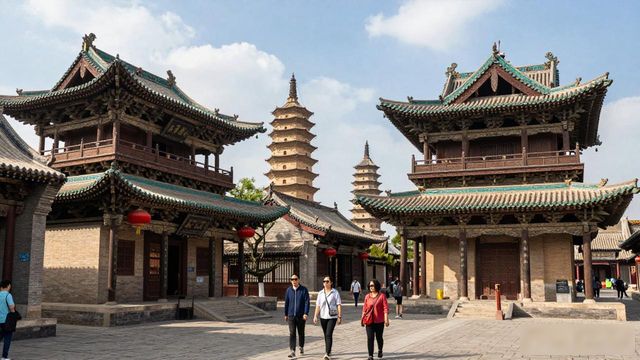
How to plan a Taiyuan historical building itinerary
Start your day at Jinci Temple, located about 25 kilometers southwest of the city center. Take a taxi or bus there early to avoid midday heat. Spend at least two hours walking through the three main sections: the圣母殿 (Holy Mother Hall), the Flying Bridge, and the Song dynasty sculptures. After lunch, head to Chongshan Monastery, a Ming dynasty Buddhist temple in the city. Its massive Mahavira Hall and iron statues are impressive. Finish your afternoon at the Shanxi Museum, which is not a historical building itself but houses many artifacts from the region’s ancient structures. If you have a second day, visit the Twin Pagodas in the eastern part of the city and the Ancient County Government Office in nearby Yuci.
The key to enjoying Taiyuan’s historical buildings is pacing yourself. The sites are spread out, and many require walking on uneven stone paths. Bring water, wear comfortable shoes, and plan for rest stops. While English signs are limited at smaller temples, major attractions like Jinci provide bilingual descriptions. Knowing a few basic Chinese phrases for directions and tickets will help. Taiyuan’s historical buildings offer a genuine,unhurried experience of China’s architectural heritage, perfect for travelers who want depth over speed.