
Sichuan Opera is one of China’s most visually stunning traditional art forms. Its props are not just accessories — they are essential tools for storytelling, character expression, and audience engagement. From the famous face-changing masks to fire-spitting devices and colorful costumes, each prop has a specific function and cultural meaning. Understanding these props helps foreign audiences appreciate the depth and creativity behind every performance.
What makes Sichuan Opera face-changing masks so unique

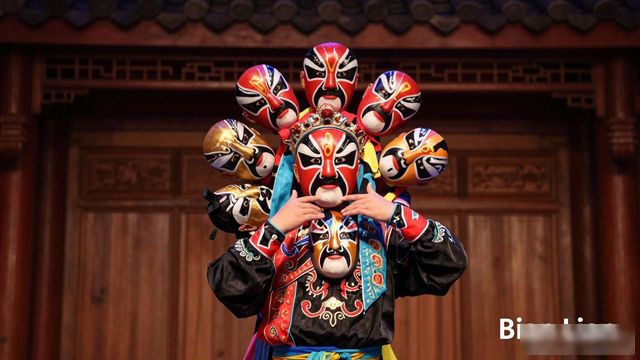
The most iconic prop in Sichuan Opera is the face-changing mask, known as Bian Lian. This prop allows performers to switch masks in a fraction of a second, creating an illusion of transformation that astonishes audiences. The masks are usually made of silk or thin paper, layered and painted with vivid colors like red, black, blue, and gold. Each color represents a different emotion or character trait: red for loyalty, black for fierceness, gold for divinity.
Behind the technique, there is a lot of practice. Performers hide multiple masks under their costumes and use quick hand or head movements to pull them off. Some modern shows even use compressed air or hidden strings, but traditional artists rely purely on skill. The masks are designed to be lightweight yet durable, so they can be changed smoothly without breaking. For tourists watching a show, the mask change is often the highlight. Many visitors search for “Sichuan opera face changing props” because they want to know how it works or even buy a replica as a souvenir.
How other props enhance the Sichuan Opera performance
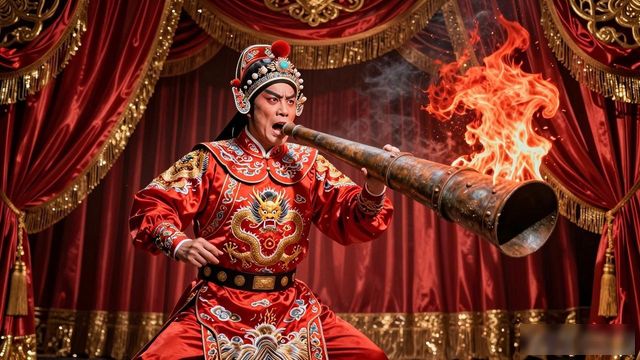
Beyond the masks, Sichuan Opera uses several other props that add drama and excitement. Fire-spitting is another crowd favorite. Performers hold a small metal tube hidden inside their sleeve or mouth. When they blow through it, a burst of real fire shoots out. This requires careful preparation — the tube must be filled with a special flammable powder,and the performer must control their breath to avoid burns. The prop is simple in design but dangerous to use, so only experienced actors handle it.
Costumes and headdresses are also important props. They are typically made of silk or brocade, with elaborate embroidery featuring dragons, phoenixes, or floral patterns. Headdresses often include tassels, feathers, and jewels that sway as the actor moves. These visual elements help the audience identify the character’s rank, age, and personality from a distance. For collectors or cultural enthusiasts, these props are highly sought after. They are often displayed in museums or sold in specialty shops near Chengdu, where Sichuan Opera originated.
Why understanding props matters for foreign audiences
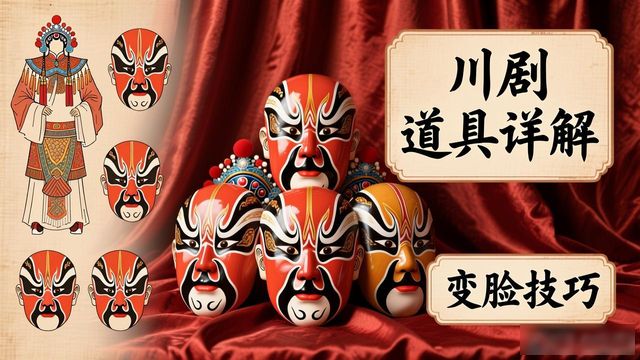
When you watch a Sichuan Opera performance, knowing what the props mean deepens your experience. The masks are not just for show — they tell a story of inner conflict, transformation, or supernatural power. The fire represents danger or magic. The costumes reflect social status. Without this knowledge, you might only see colorful movements. With it, you see the full narrative. That is why many travel guides and cultural blogs recommend learning about props before attending a show. It turns a simple performance into a rich cultural encounter.
Sichuan Opera props are a bridge between ancient Chinese culture and modern audiences. They carry history, craftsmanship, and emotion. Whether you are a traveler looking for a unique souvenir, a theater enthusiast studying performance techniques, or simply someone curious about Chinese traditions, these props offer a window into a world of artistry. Next time you see a Sichuan Opera show, pay attention to the props — they are telling a story of their own.