
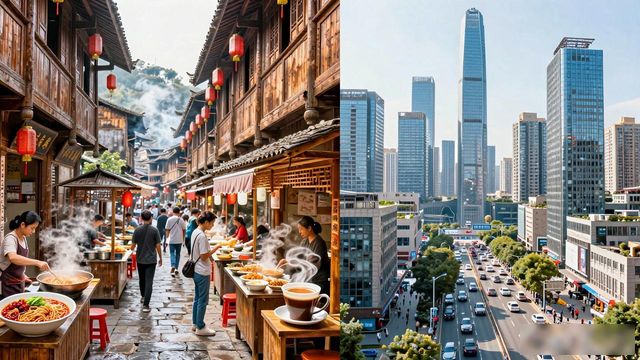
Chongqing is one of China’s most unique and underrated travel destinations. Known as the “Mountain City” and famous for its spicy hotpot, futuristic skyline, and surreal urban planning, this megacity offers a travel experience unlike any other. Whether you’re a food lover, an architecture enthusiast, or just looking for something off the beaten path, Chongqing delivers. Here’s what you need to know before you go.
What to see in Chongqing for a 3-day trip
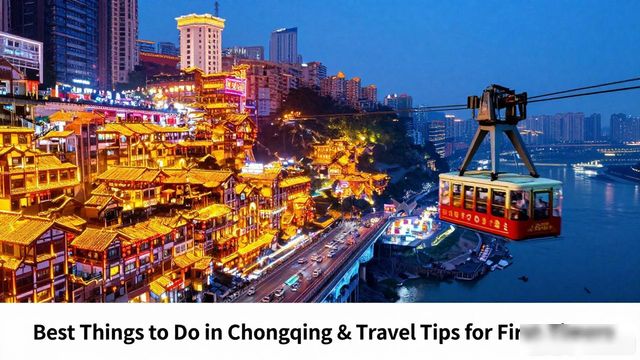
Most travelers spend two to three days in Chongqing, and that’s enough to hit the highlights without rushing. Start with Hongya Cave, a stunning stilted complex of traditional-style buildings that glow like a lantern at night. It’s touristy, yes, but the view across the Jialing River is unforgettable. Don’t skip the Yangtze River Cableway—it’s a practical commute for locals but a thrilling ride for visitors, offering panoramic views of the city’s dramatic skyline.

Another must-see is the Ciqikou Ancient Town, which feels like stepping back in time with its narrow alleys, tea houses, and street food stalls. But be warned: it gets crowded, especially on weekends. For something more modern, head to the Jiefangbei area, the city’s commercial heart. And if you’re into weird architecture, the Raffles City complex looks like a giant glass ship docking over the river. It’s polarizing, but definitely a landmark.
Is Chongqing safe for solo travelers
Yes, Chongqing is very safe for solo travelers, even at night. The city is well-lit, public transport is reliable, and locals are generally helpful, even if language can be a barrier. The biggest challenge for solo visitors is navigation—this city is built on hills, and roads don’t follow a grid pattern. Google Maps often fails here; use Baidu Maps or ask your hotel for directions in Chinese.

You’ll also notice that “first floor” in one building might be the 10th floor in another street. That’s not a glitch—it’s Chongqing’s geography. Stay near a metro station, wear comfortable shoes, and expect to climb stairs. As for food, solo dining is easy. Hotpot places are social,but many restaurants also serve single-person noodle bowls or street snacks. Just avoid raw tap water and street fruit that’s already peeled.
What to eat in Chongqing besides hotpot
Hotpot is the star, but Chongqing food goes way beyond that. Start your morning with a bowl of Chongqing xiaomian, a spicy, oily noodle soup that locals swear by for breakfast. It’s cheap, filling, and available everywhere. Another local favorite is suan la fen, a sour and spicy sweet potato noodle soup that’s perfect for cold days.
For snacks, try chuan chuan xiang, which are skewers of meat and vegetables boiled in a spicy broth—kind of like hotpot on a stick. And don’t miss the cold noodles with pepper, a refreshing dish often sold from street carts. If you’re feeling adventurous, look for Jianghu Cai, or “riverside cuisine,” which includes dishes like spicy grilled fish and stir-fried frog legs. Vegetarians will struggle a bit, but you can find tofu and vegetable versions of most dishes if you ask.
Chongqing is chaotic, steep, and loud, but that’s exactly what makes it unforgettable. You don’t visit this city for a relaxing vacation—you visit for a raw, authentic slice of urban China that feels like a movie set. Plan your days loosely, embrace the confusion, and always carry tissue paper. You’ll leave with a full stomach and a head full of incredible images.