
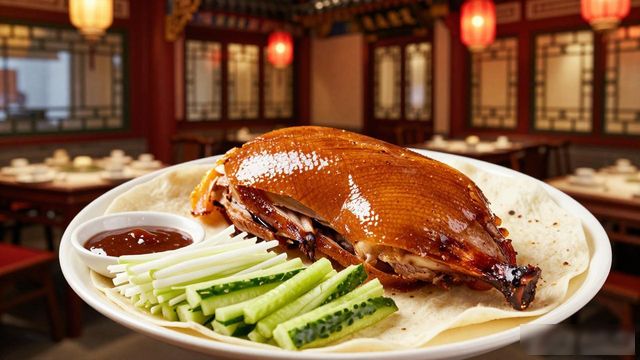
China is a country where food is not just sustenance—it’s an essential part of the culture, history, and daily life. For anyone visiting China for the first time, a China cuisine tour offers an unforgettable way to experience the country beyond the usual tourist sights. From steaming noodle stalls to Michelin-starred restaurants, every region has its own story to tell through flavor.
What dishes should you try on a food tour in China

If you only have a week or two, you cannot taste everything China has to offer. But a well-planned China cuisine tour will guide you through the essential dishes that define each region. In Beijing, you must try Peking duck with its crispy skin and tender meat wrapped in thin pancakes. In Xi’an, the hand-pulled noodles and lamb skewers from the Muslim Quarter are unforgettable. In Sichuan, the numb and spicy hotpot will challenge your taste buds in the best way possible. And in Guangzhou, dim sum is a morning ritual that involves tiny bamboo steamers filled with shrimp dumplings, pork buns, and rice rolls.
Street food is where the real magic happens. Night markets in cities like Chengdu and Shanghai offer fried tofu, stinky tofu, grilled squid, and sweet egg tarts. These are not just snacks—they are windows into how locals eat every day. A good food tour will take you to these places, explain what you are eating, and help you order with confidence.
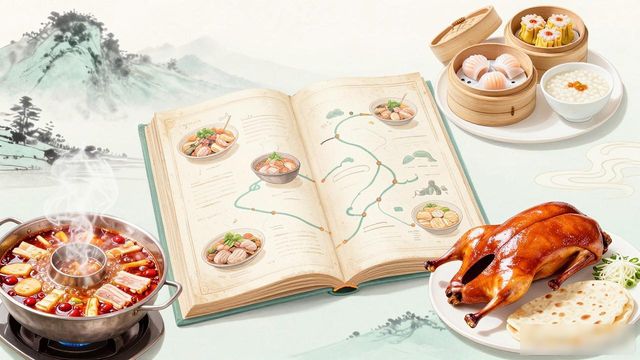
How to choose the right food tour for your travel style
Not all food tours are the same. Some focus on high-end dining,while others dive deep into street food culture. Before you book a China cuisine tour, think about what you really want. Do you want to learn how to cook? Then look for tours that include a cooking class. Do you want to explore a single city deeply? Pick a tour that spends three to four days in one place like Chengdu or Xi’an. Do you want to try food from multiple regions? Then a longer tour that moves from Beijing to Shanghai to Guangzhou might be a better fit.
Timing matters too. Spring and autumn are the best seasons for food tours because the weather is comfortable for walking between food stops. Summer can be hot and humid, especially in southern cities, while winter in the north can be very cold. But if you love hotpot and noodle soups, winter in Beijing or Chengdu can be just as enjoyable.
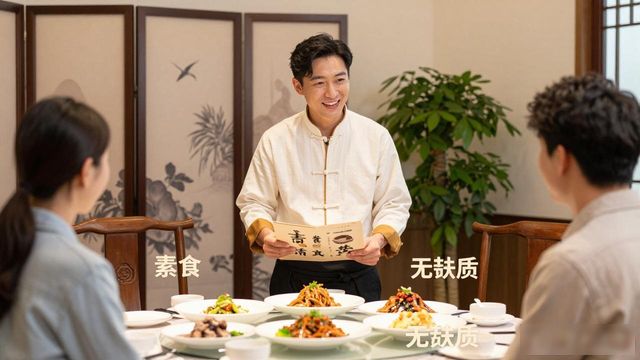
A good tour operator will also consider dietary restrictions. Many Chinese dishes use soy sauce, garlic, and chili, but vegetarian, halal, and gluten-free options exist if you ask in advance. Do not be shy about sharing your needs before you book.
A China cuisine tour is more than a trip—it is a journey into the heart of Chinese life. Every meal is a chance to connect with people, understand traditions, and create memories that last long after you return home. If you love food and want to experience China in the most authentic way, let your appetite be your guide.