
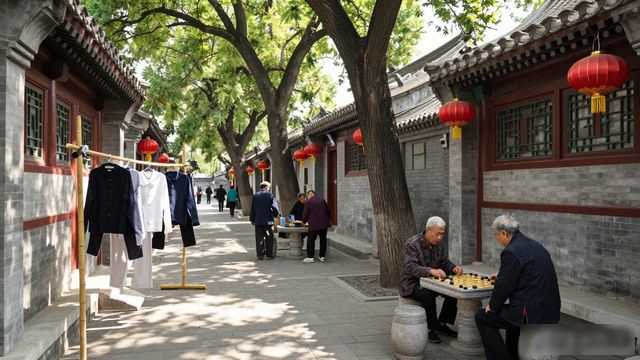
Beijing’s hutong are more than just narrow lanes. They are the living veins of the city’s history, where everyday life has unfolded for centuries. A hutong tour Beijing is not about checking off sights, but about stepping into a slower, more intimate version of the capital. You see the gray brick walls, hear the chirping of caged birds, and smell the oil from a street-side stall frying up jianbing. It is a raw, unfiltered experience that no skyscraper can offer.
What makes a hutong tour Beijing different from a regular sightseeing trip

Most tourists rush from the Forbidden City to the Great Wall, but the hutong offer something else entirely. Here, you are not a spectator behind a rope. You walk right through residential neighborhoods where people still hang laundry on bamboo poles and play chess by the roadside. A good hutong tour Beijing lets you peek into courtyard homes, chat with elderly residents, and taste homemade dumplings in someone’s kitchen. It is immersive, personal, and unpredictable.
The key is choosing a tour that goes beyond the main commercial lanes like Nanluoguxiang. That street is fun, but it is packed with souvenir shops and loud music. The real magic lies in the quieter, less polished alleys like those around Shichahai or Dashilan. A knowledgeable guide will point out hidden temples, old well sites, and doorways decorated with traditional carvings. You learn how the hutong layout reflects feng shui principles and why some alleys are named after vegetables or trades.
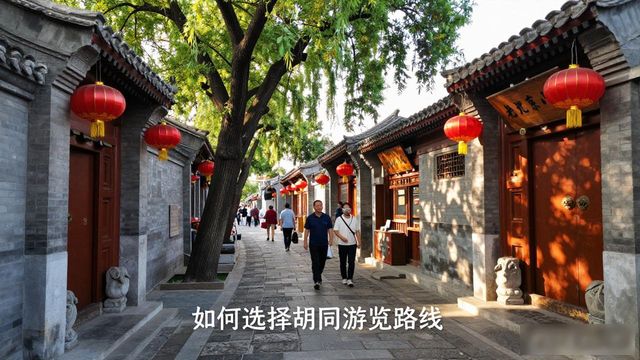
How to choose the right hutong tour Beijing for your interests
Not all tours are created equal. Some focus on history, others on food, photography, or even rickshaw rides. Think about what you want to get out of the experience. If you are a foodie, look for a tour that stops at local breakfast spots, noodle shops, and bakeries selling sesame cakes. If you love photography, pick a small group tour that takes you during golden hour and visits less crowded sections.
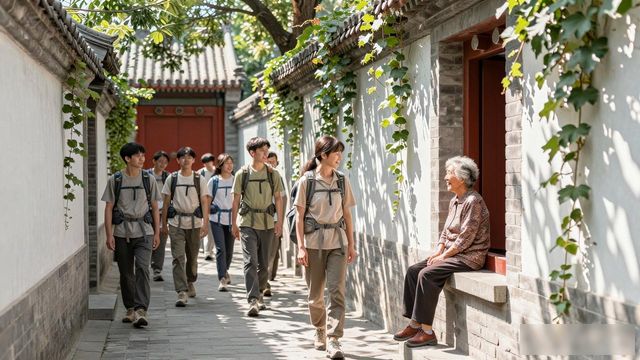
Also consider the group size. Large bus tours cannot navigate the narrow lanes well,and they often skip the best hidden spots. A walking tour with no more than eight people gives you access to places a bus cannot go. You can pause when something catches your eye, ask questions, and interact with locals naturally. Many travelers find that a private or semi-private hutong tour Beijing creates the most authentic memories.
The best time for a hutong tour is early morning or late afternoon. The light is soft, the streets are quieter, and you might catch residents doing their morning exercises or cooking dinner on coal stoves. Avoid midday in summer when the heat is intense and the lanes are crowded with other tourists. A well-planned tour respects your comfort while still delivering the full hutong character.