
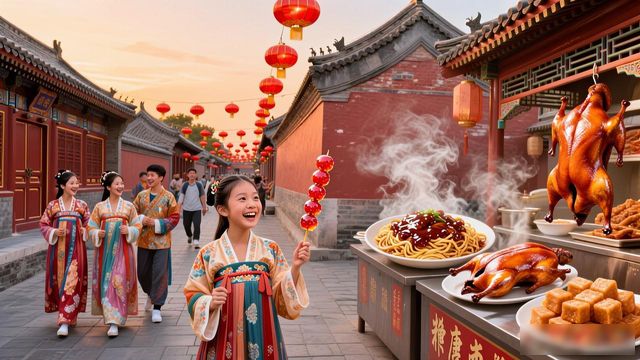
When people ask me about the best way to experience Beijing, I always tell them: start with the food. Food tours in Beijing are not just about eating—they are about understanding the city’s soul through its flavors. From smoky street stalls to hidden family-run restaurants, every dish tells a story of history, migration, and tradition. If you are a first-time visitor or a seasoned traveler looking to dig deeper, a guided food tour is the most efficient and enjoyable way to sample the city’s culinary landscape.

What makes a food tour in Beijing worth your time
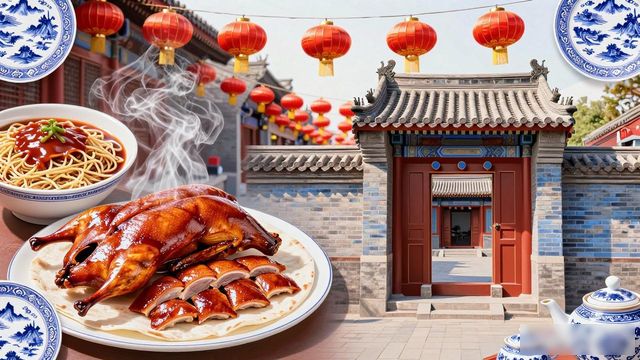
The sheer variety of Beijing’s food scene can be overwhelming. You have the famous Peking duck, but also lesser-known specialties like zhajiangmian (noodles with fermented soybean paste), lamb skewers from Muslim quarters, and tanghulu (candied hawthorn sticks). A good food tour cuts through the noise. Local guides know which alleys hide the best jianbing (savory crepes) and which markets sell the freshest dumplings. They also explain the cultural context—why certain foods are eaten during festivals or how street food vendors have adapted to modern health standards. For travelers who worry about language barriers or hygiene, a reputable tour operator handles both. They take you to vendors who have been in business for decades, ensuring both authenticity and safety. You do not waste time wandering aimlessly; instead,you hit the ground tasting.
How to choose the right food tour for your trip
Not all food tours in Beijing are created equal. Some focus on walking through hutongs and trying street snacks, while others are more sit-down experiences with multiple courses. If you are short on time, a three-hour morning tour covering the Donghuamen Night Market or Wangfujing Snack Street might be ideal. If you want a deeper dive, look for tours that include a cooking class or a visit to a traditional tea house. Consider your dietary restrictions too—many tours can accommodate vegetarians or those avoiding gluten, but you need to confirm in advance. Price varies widely, from budget-friendly group tours around 300 RMB per person to private luxury experiences costing over 1,000 RMB. Reading recent reviews on platforms like TripAdvisor or Viator helps you gauge the guide’s expertise and the group size. A small group (six to eight people) usually offers a more intimate and interactive experience.
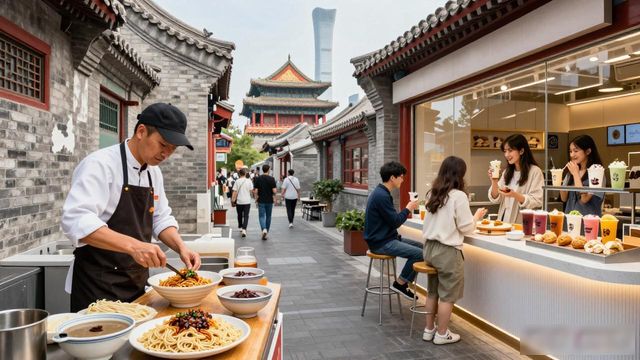
Ultimately, the best food tour is one that matches your curiosity. Whether you are hunting for the perfect bowl of noodles or want to understand the rise of Beijing’s craft beer scene, there is a tour designed for you. The city’s food culture is dynamic and layered—much like its history. A well-planned food tour does not just fill your stomach; it leaves you with stories to tell and a deeper appreciation for the people who cook, sell, and share these dishes every day.