
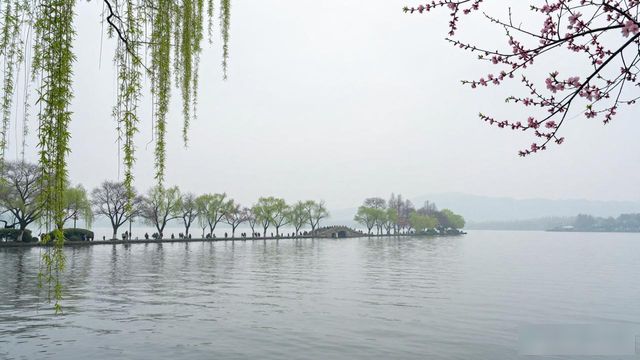
West Lake in Hangzhou is one of China’s most celebrated natural and cultural landmarks. Its beauty is not just in the water or the surrounding hills, but in the harmony between man-made structures and nature. I have spent years visiting this lake and studying its landscapes, and I can tell you that the scenery here is not a single image but a collection of changing moods and hidden details.
What Makes West Lake Scenery So Unique

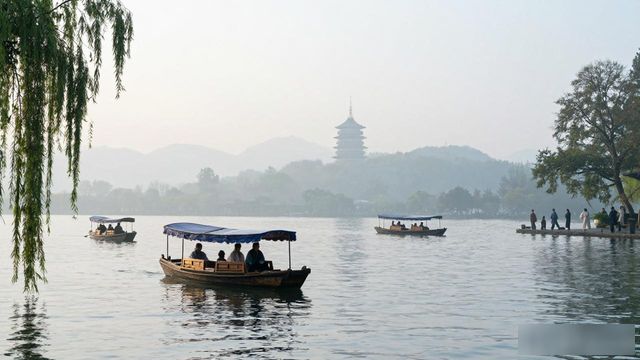
The lake is divided by causeways, islands, and bridges that create a series of framed views. Each section has its own character. The Su Causeway, built during the Tang Dynasty, offers a long walk lined with willows and peach trees. On a misty morning, the lake surface blends into the sky, and the distant pagodas seem to float. The Leifeng Pagoda, rebuilt in 2002, sits on the southern shore. From its top, you can see the entire lake spread like a fan.
The scenery is not static. At dawn, the water reflects soft pink clouds. By noon, the lotus leaves near the Quyuan Garden create a green carpet that stretches into the lake. In autumn, the sweet osmanthus trees along the shore fill the air with fragrance. Winter brings a rare stillness, especially when snow covers the broken bridge. That bridge, by the way, is not actually broken—it only appears so when the snow melts in the middle while the ends remain white.
How to Experience West Lake Like a Local
Many visitors rush to the main attractions and miss the quieter corners. I recommend starting your day at the Guo Villa, a private garden that faces the lake. It is small, but every window frames a perfect view. Then, take a flat-bottomed boat from the Huagang Pier. The boatman will row you past the Three Pools Mirroring the Moon, three stone pagodas standing in shallow water. The best time to see them is during the Mid-Autumn Festival, when candles are placed inside the pagodas and their reflections dance on the water.
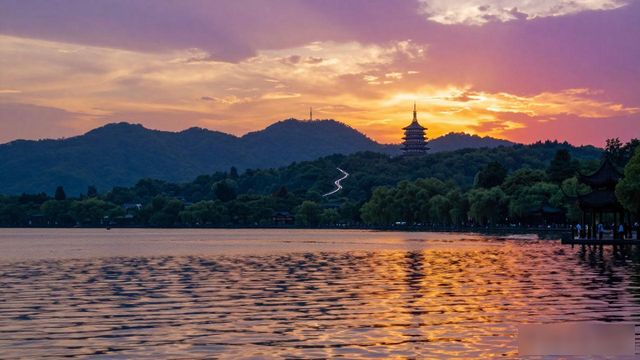
Do not skip the hills behind the lake. A short hike up to Baoshi Mountain gives you a panoramic view that no postcard can capture. The Baochu Pagoda, slender and elegant, stands like a needle against the sky. Locals often climb here to watch the sunset. The colors shift from gold to magenta,and the lake turns into a mirror of molten copper. This is the moment when the scenery becomes personal, not just something to photograph but something to feel.
The lake changes with the seasons, the weather, and even the hour. It rewards those who take their time. Whether you walk the entire perimeter or sit on a bench under a willow, West Lake offers a kind of beauty that does not shout. It waits. And when you finally see it, you understand why poets have written about it for over a thousand years.