
Beijing is often synonymous with imperial history and grand architecture, but its culinary soul lies in the bustling alleyways, or hutongs. For travelers seeking authenticity beyond Peking duck, local street food offers a profound connection to the city’s daily rhythm. These snacks are not merely sustenance; they are cultural artifacts that have survived centuries of change. From the crispy crunch of traditional pastries to the complex spice profiles of northern Chinese street fare, each bite tells a story of resilience, innovation, and community. Understanding these flavors requires looking past the tourist traps and venturing into neighborhoods where locals gather after work. This guide distills my years of exploration into the essential edible experiences that define Beijing’s unique gastronomic landscape.
Why Is Jianbing So Popular in Beijing?

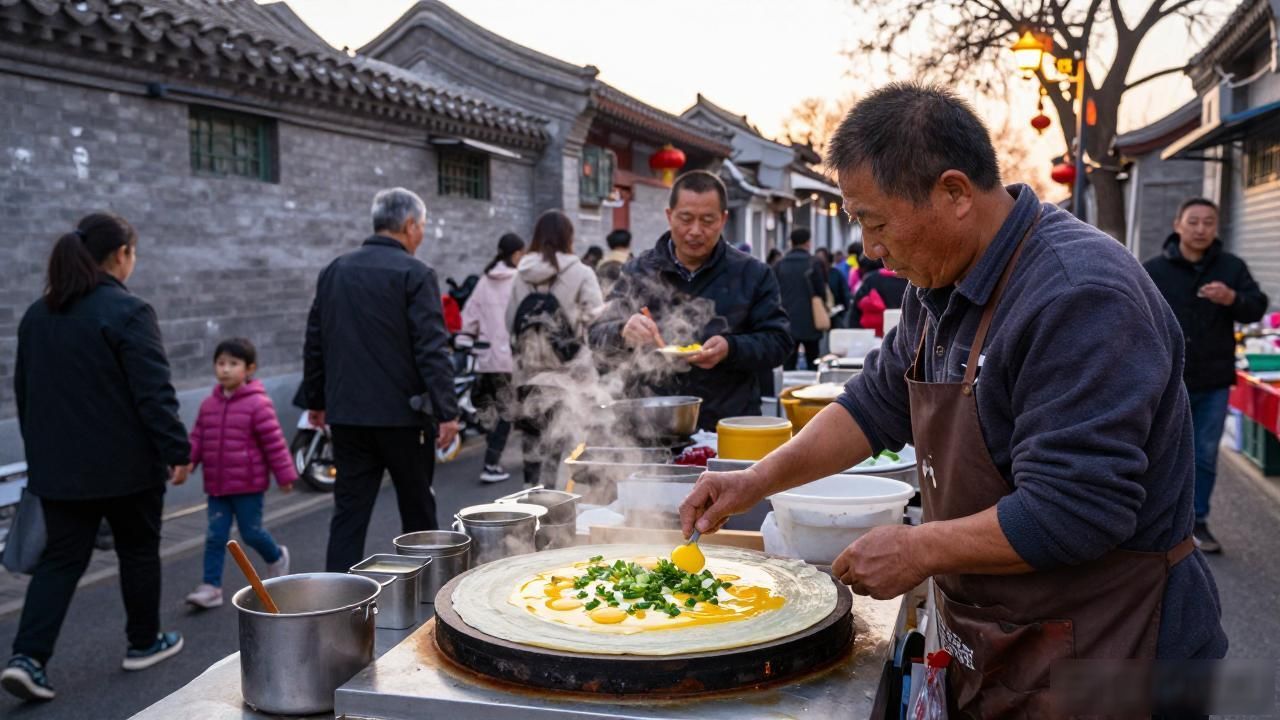
You will see vendors grilling Jianbing on every corner, from early morning commuters to late-night revelers. This savory crepe is the ultimate breakfast companion, customizable to almost any preference. The batter spreads thinly on a hot circular griddle, followed by an egg, scallions, cilantro, and a crisp fried wonton or cracker known as baocui. What makes it truly unique is the sauce combination: sweet bean sauce, fermented tofu, and chili oil. It is messy, hot, and incredibly satisfying. Unlike Western pancakes, Jianbing is a complete meal in hand, designed for speed and efficiency without sacrificing flavor depth.
The texture contrast is what keeps people coming back. The soft crepe wrapped around the crunchy interior creates a sensory experience that is hard to replicate elsewhere. Many foreigners find the ingredients intimidating at first, but the balance of salty, spicy, and umami is surprisingly harmonious. It is the backbone of Beijing’s street food culture, representing the practical yet flavorful nature of the city. Trying it raw at a stall allows you to observe the vendor’s skill, a dance of spatulas and heat control perfected over decades.
Where Can I Find Authentic Mahua?
Mahua is a twisted, deep-fried dough stick that has been a staple for over two thousand years. Originally created as a travel ration for soldiers and merchants, it is now a beloved souvenir and snack. The traditional version is chewy and slightly sweet, often coated with sesame seeds. However, modern variations include flavors like chocolate, green tea, and even spicy beef. Visiting the Qianmen area allows you to watch masters twist the dough by hand, a process that requires significant strength and precision.
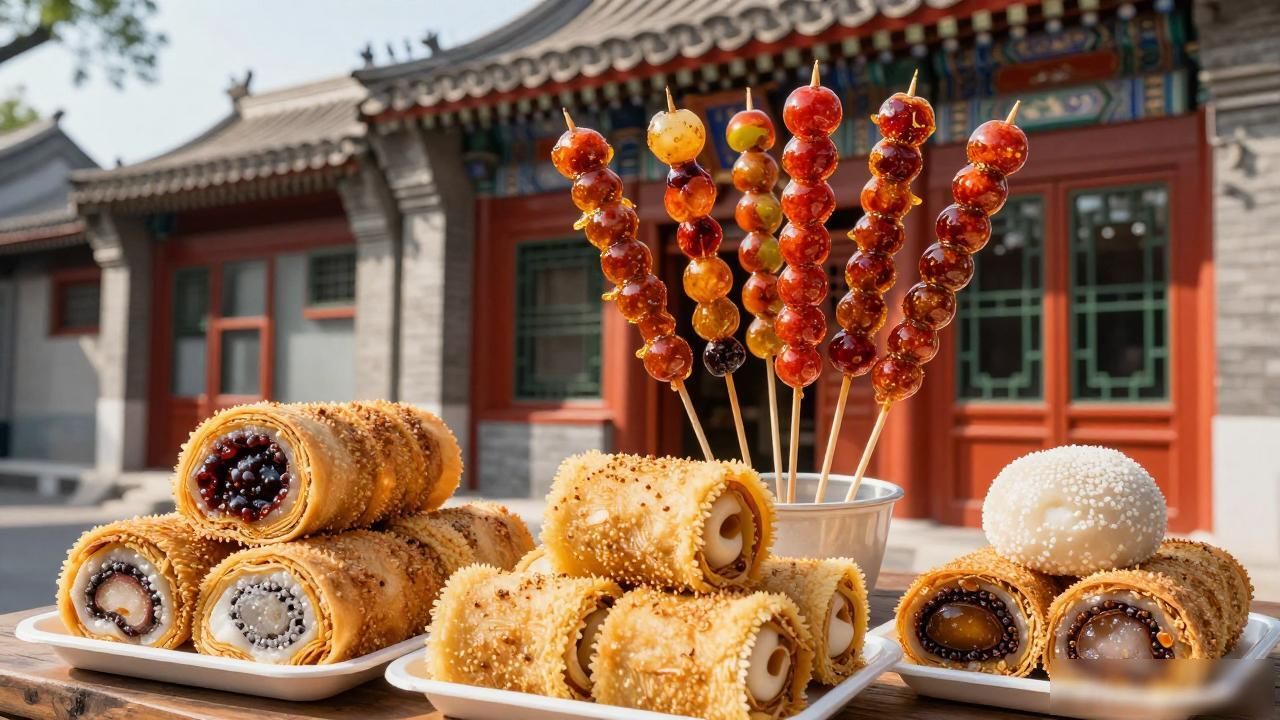
Unlike Western breadsticks, Mahua is dense and oily in a way that preserves it for long periods. This historical preservation method explains its enduring popularity among Beijing residents. It pairs exceptionally well with soy milk or tea, cutting through the richness with a light, refreshing note. When buying, look for shops that still use traditional lard instead of vegetable oil for that authentic, nostalgic taste. It is a humble snack,but its longevity speaks volumes about the adaptability of Beijing’s culinary traditions.
Exploring these snacks transforms a simple meal into a journey through time. The city’s food scene is not static; it evolves while holding tight to its roots. By engaging with these local favorites, you gain insight into the personality of Beijing itself—resilient, diverse, and deeply rooted in history.